Senate Democrats Prepare Subpoenas to Scrutinize JPMorgan’s Ties to Jeffrey Epstein
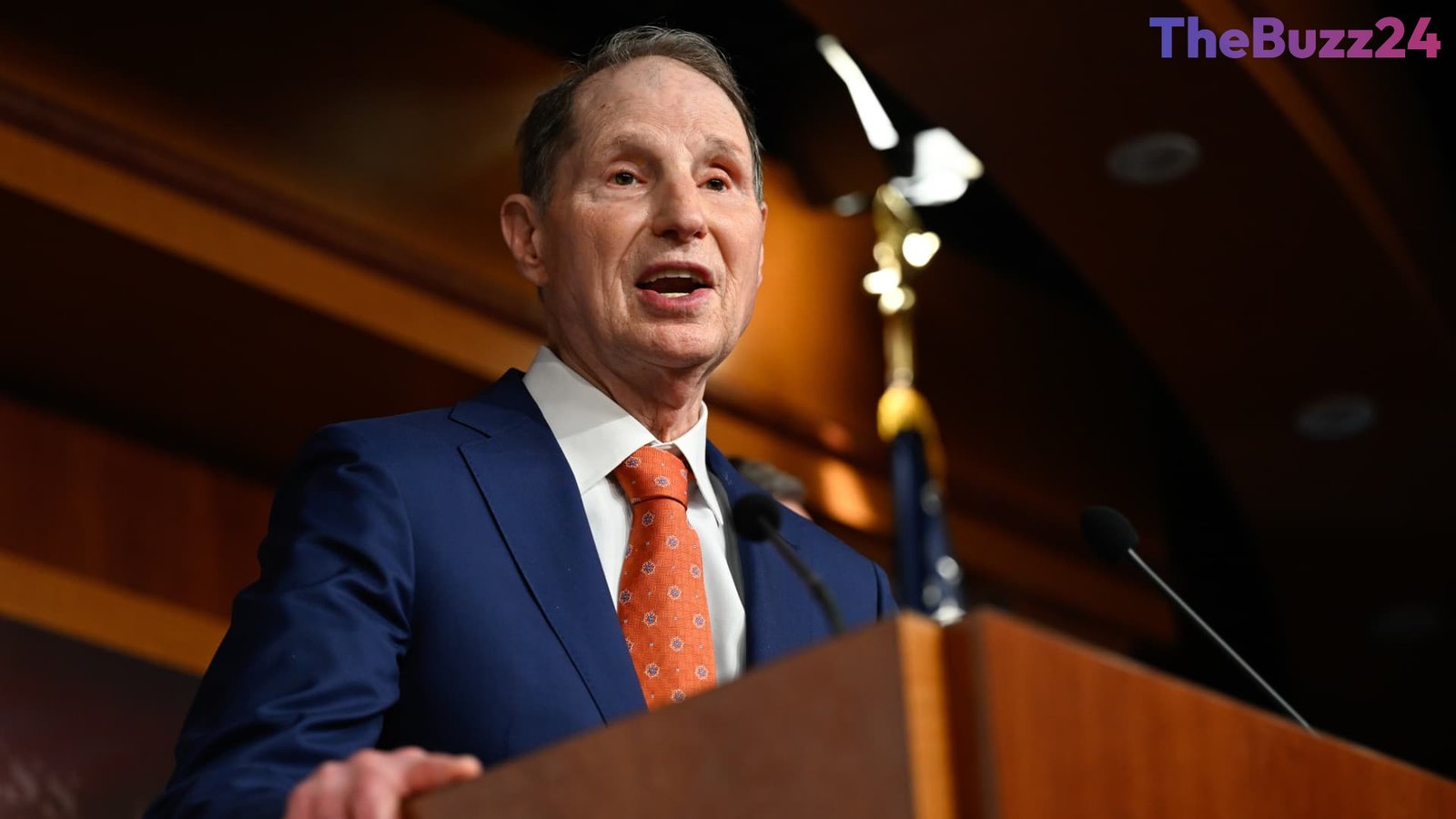
Senate Democrats are gearing up to launch a comprehensive investigation into JPMorgan Chase’s historical banking relationship with the late sex offender Jeffrey Epstein as they prepare to take control of Congress. Lawmakers on the Senate Finance Committee, poised to be led by Senator Ron Wyden, plan to utilize their subpoena powers to examine how high-ranking executives managed the controversial account.
At the center of the anticipated congressional scrutiny are the decisions made by Mary Callahan Erdois, CEO of JPMorgan’s asset and wealth management division. Documents and depositions from previous litigation indicate that bank executives were aware of allegations against Epstein years before his account was ultimately closed in 2013. While JPMorgan has previously expressed regret over its association with Epstein, the institution maintains that it did not knowingly assist in his crimes, attributing oversight failures in part to former investment banking chief Jes Staley.
The upcoming legislative inquiry follows a series of massive financial settlements and damning congressional reports alleging that major financial institutions shielded Epstein from federal scrutiny. In 2023, JPMorgan agreed to pay hundreds of millions of dollars to settle lawsuits with Epstein’s victims and the U.S. Virgin Islands. As lawmakers prepare to reopen the files, the investigation aims to uncover systemic lapses in anti-money laundering compliance and hold institutional leaders accountable for looking the other way while illicit financial operations were allegedly funded.
Key Takeaways
- Senate Democrats are planning a formal investigation into JPMorgan Chase's past banking relationship with Jeffrey Epstein.
- The Senate Finance Committee intends to focus heavily on the actions and decisions of top wealth management executive Mary Callahan Erdois.
- JPMorgan previously agreed to substantial multi-million dollar settlements regarding its handling of Epstein's accounts without admitting formal wrongdoing.
Editor’s Analysis & Impact
The impending congressional investigation into JPMorgan Chase underscores a broader, unforgiving regulatory and legislative shift toward corporate accountability in the banking sector. As lawmakers leverage subpoena powers to dissect historical lapses in anti-money laundering compliance, major financial institutions face heightened scrutiny regarding their client onboarding and risk management protocols. Beyond the immediate reputational risks for JPMorgan and specific executives, this probe signals that financial facilitators of high-profile criminals will continue to face intense public and legal reckoning long after the primary perpetrators have passed away. This environment will likely compel compliance officers industry-wide to adopt significantly more rigorous oversight of high-net-worth accounts.
Frequently Asked Questions
Q: Why is the Senate investigating JPMorgan Chase?
A: Senate Democrats are launching an inquiry into how JPMorgan handled its banking relationship with Jeffrey Epstein, specifically focusing on whether executives delayed reporting suspicious financial activity and protected him from federal scrutiny.
Q: When did JPMorgan finally close Jeffrey Epstein's accounts?
A: JPMorgan maintained a banking relationship with Epstein starting in 1998 and ultimately closed his accounts as a client in 2013.
Q: Has JPMorgan faced any financial penalties related to Epstein?
A: Yes. In 2023, JPMorgan agreed to a $290 million settlement with Epstein's victims and a separate $75 million settlement with the U.S. Virgin Islands regarding allegations that the bank facilitated and benefited from sex trafficking.
AI Disclosure: This article is based on verified data and official reports. Our Team and AI have cross-referenced every financial detail with primary sources to ensure total accuracy.
More from this Category