US Treasury Secretary Relocated to Military Base Amid Heightened Iranian Security Threats
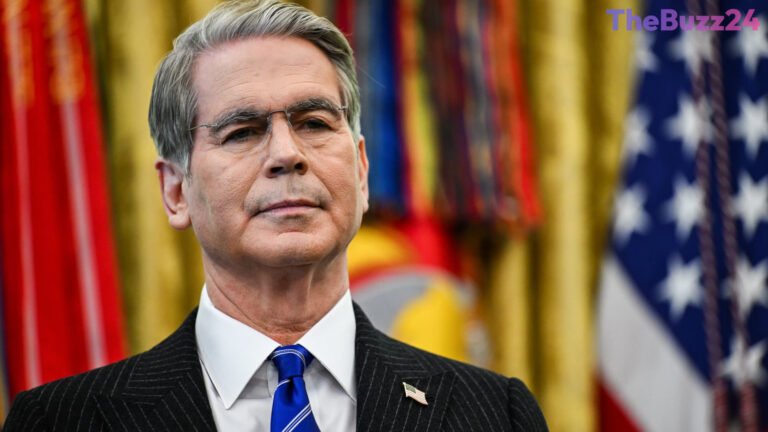
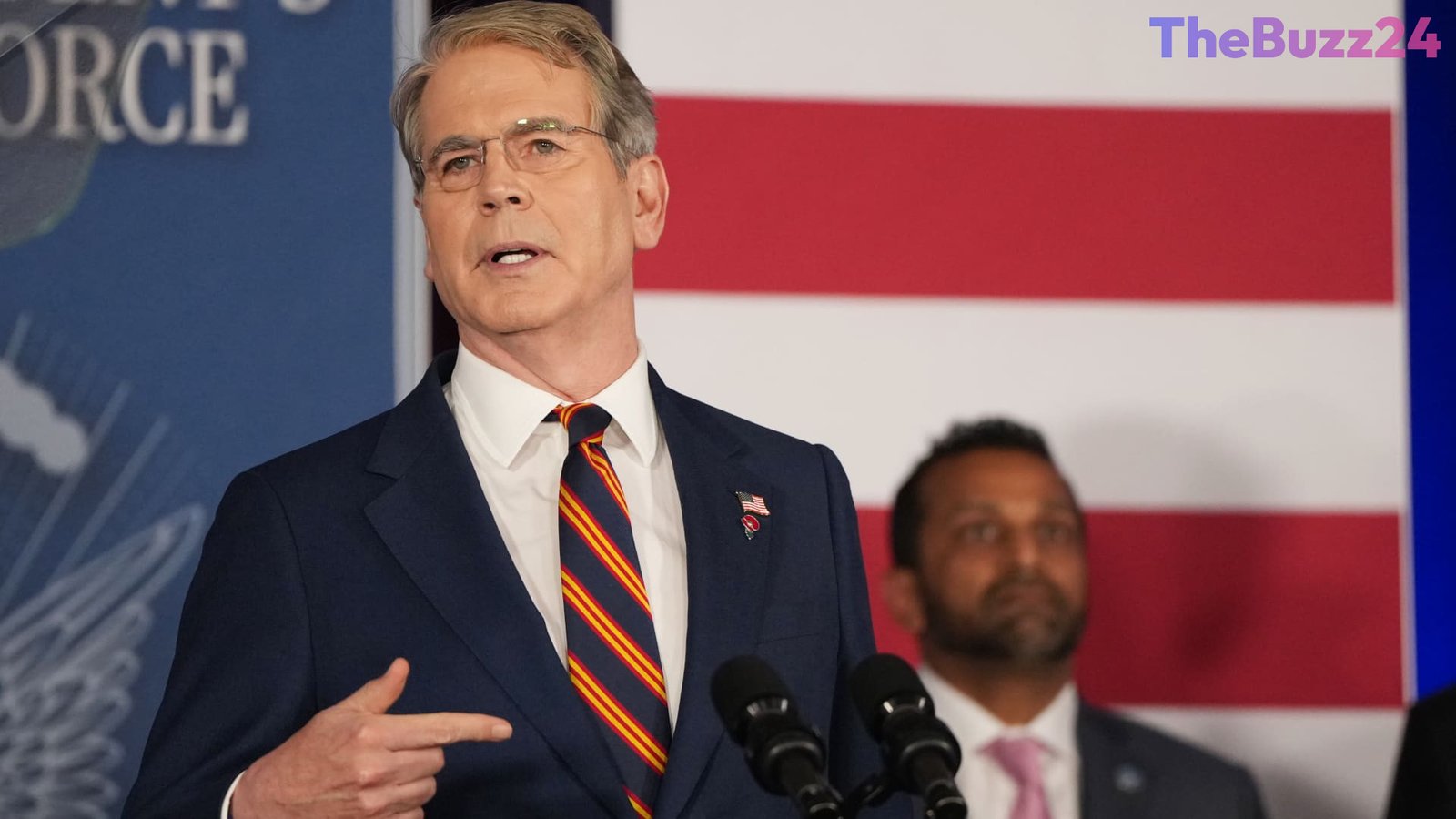
U.S. Treasury Secretary Scott Bessent has been relocated from his private residence in Washington, D.C., to a secure military installation following credible intelligence regarding escalating assassination threats from Iran. The elevated threat level underscores a dangerous new phase in covert hostility, as intelligence agencies warn that foreign plotting against high-ranking current and former American officials has grown increasingly sophisticated and active.
At the center of the targeting is Bessent’s leadership in ‘Operation Economic Outcast,’ an aggressive Treasury initiative launched to systematically isolate Iran through targeted financial sanctions and strict economic measures. This aggressive posture has positioned him as a primary target for foreign retaliation. Meanwhile, the Department of Justice announced the indictment of three Iranian nationals on terrorism-related charges, linking them to nearly 20 attempted or executed attacks across the United States and Europe, including a high-profile September incident directed at a British military facility housing American personnel.
Diplomatic and military fronts continue to shift in tandem with these security measures. While top diplomatic officials suggest that a naval blockade and stringent economic sanctions might avert the need for direct military conflict, regional tensions remain acute. Crude oil markets reacted to the persistent instability, with global benchmarks seeing modest upward movement during Asian trading hours as analysts monitor the fragile geopolitical landscape and the status of potential regional negotiations.
Key Takeaways
- Treasury Secretary Scott Bessent was moved to a military base due to advanced Iranian security threats linked to his role leading economic sanctions against Tehran.
- The Department of Justice indicted three Iranian nationals on terrorism charges for alleged attacks across the U.S. and Europe.
- Global crude oil prices experienced slight upward pressure amid ongoing geopolitical tensions and questions surrounding regional negotiations.
Editor’s Analysis & Impact
The relocation of a sitting U.S. Cabinet official to a military base marks a profound escalation in geopolitical tensions, signaling that diplomatic friction has successfully transitioned into tangible, high-level physical threats. Bessent’s pivotal role in enforcing aggressive economic isolation against Iran through ‘Operation Economic Outcast’ has clearly made him a primary target of foreign retaliation. For global markets, this dynamic injects a permanent risk premium into commodities, particularly energy, as evidenced by the immediate sensitivity of Brent and WTI crude prices. Looking forward, the intersection of aggressive financial sanctions, active counter-terrorism indictments, and volatile naval blockades will likely keep international trade and energy sectors on edge. The sustainability of these coercive economic policies will depend heavily on allied cohesion in the Middle East and the ability of domestic security apparatuses to neutralize transnational threat networks without triggering broader open military conflict.
Frequently Asked Questions
Q: Why was U.S. Treasury Secretary Scott Bessent moved to a military base?
A: Bessent was relocated due to heightened security threats from Iran, driven largely by his leadership in 'Operation Economic Outcast,' a Treasury campaign aimed at economically isolating Iran through sanctions.
Q: What recent legal actions has the U.S. taken regarding Iranian threats?
A: The Department of Justice indicted three Iranian nationals on terrorism-related charges for their alleged involvement in nearly 20 attacks and attempted attacks across the United States and Europe.
Q: How have the markets reacted to these escalating tensions?
A: Global crude oil prices, including Brent and West Texas Intermediate, edged higher during trading sessions as markets reacted to the ongoing geopolitical instability and supply risks.
AI Disclosure: This article is based on verified data and official reports. Our Team and AI have cross-referenced every financial detail with primary sources to ensure total accuracy.
More from this Category