U.S. and China Strike Delicate Balance Between AI Competition and Risk Management
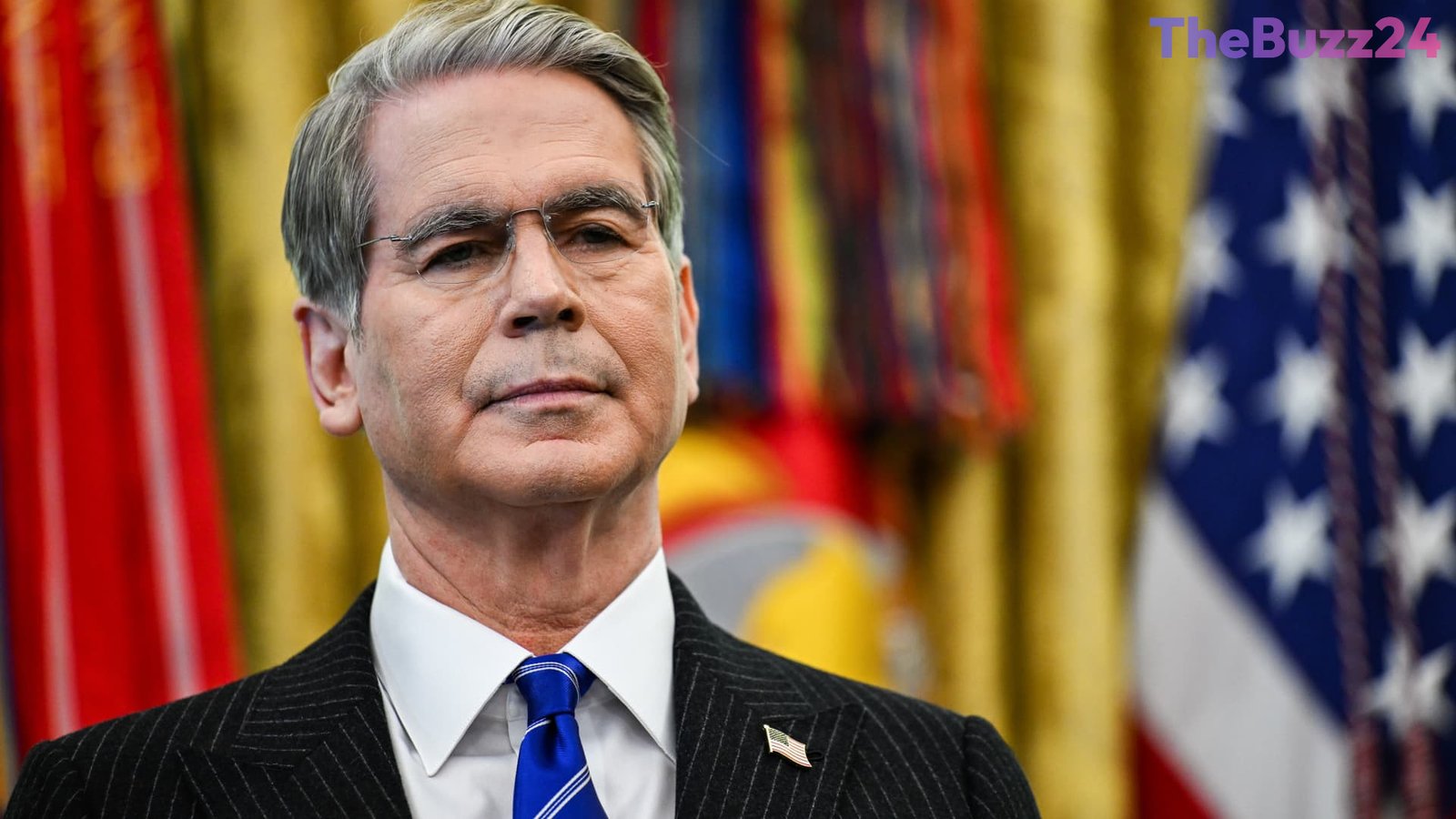
The United States and China must maintain a clear-eyed perspective as they navigate the complex landscape of artificial intelligence, balancing fierce global competition with the critical responsibility of risk mitigation. Treasury Secretary Scott Bessent emphasized that both superpowers share a duty to address the profound challenges posed by advanced technologies while continuing to vie for technological supremacy.
During a recent address in New York, officials highlighted the establishment of a specialized dialogue mechanism focused on advanced artificial intelligence systems. This diplomatic framework is designed to facilitate the exchange of testing methodologies, ensure that human oversight remains central to technological operations, and establish emergency communication channels for critical incidents. Despite these cooperative safety measures, neither government has agreed to halt or restrict its ongoing development trajectory, driven by the intense race for global leadership in the tech sector.
The broader geopolitical rivalry continues to manifest through export controls, restrictions on advanced semiconductor shipments, and debates over regulatory guardrails. While Washington aims to prevent strategic adversaries from gaining an upper hand, policymakers are simultaneously grappling with the necessity of establishing international safety protocols. As leadership summits approach, the dialogue between the two nations remains an indispensable, albeit tense, avenue for managing shared technological risks without compromising national security or economic advantages.
Key Takeaways
- Treasury Secretary Scott Bessent stated that the U.S. and China must balance AI competition with shared leadership responsibilities.
- A new bilateral dialogue mechanism has been established to address super intelligence risks and maintain human oversight.
- Both nations have refrained from capping AI development as they remain locked in a race for global technological dominance.
Editor’s Analysis & Impact
The intersection of artificial intelligence development and geopolitics represents one of the defining challenges of the modern era. As the U.S. and China attempt to establish safety protocols while aggressively competing for market dominance, the technology sector faces a fragmented regulatory environment. The establishment of direct communication channels for ‘super intelligence’ reduces the immediate risk of catastrophic misunderstandings, yet the underlying tech cold war persists. Export controls on semiconductors and accusations of intellectual property theft highlight a deep lack of trust. In the long term, the success of these bilateral dialogues will determine whether the world sees a collaborative framework for safety or a balkanized technological landscape where incompatible standards and restricted supply chains hinder global innovation.
Frequently Asked Questions
Q: What is the purpose of the new U.S.-China AI dialogue mechanism?
A: The dialogue mechanism is designed to guard against shared risks, exchange best practices for testing advanced models, ensure human oversight, and establish communication channels to handle serious incidents.
Q: Have the U.S. and China agreed to limit their AI development?
A: No, both nations have stopped short of making commitments to limit technological advancement as they remain locked in a competitive race for global dominance in AI.
AI Disclosure: This article is based on verified data and official reports. Our Team and AI have cross-referenced every financial detail with primary sources to ensure total accuracy.
More from this Category