Federal Reserve Overhauls Meeting Schedule to Prioritize Long-Term Strategy
The Federal Reserve is set to implement a significant shift in its operational calendar for 2027, moving away from its traditional schedule of eight rate-setting meetings. Under the new plan, the Federal Open Market Committee (FOMC) will conduct only seven voting sessions, with the October meeting specifically designated for high-level strategic discussions rather than interest rate adjustments.
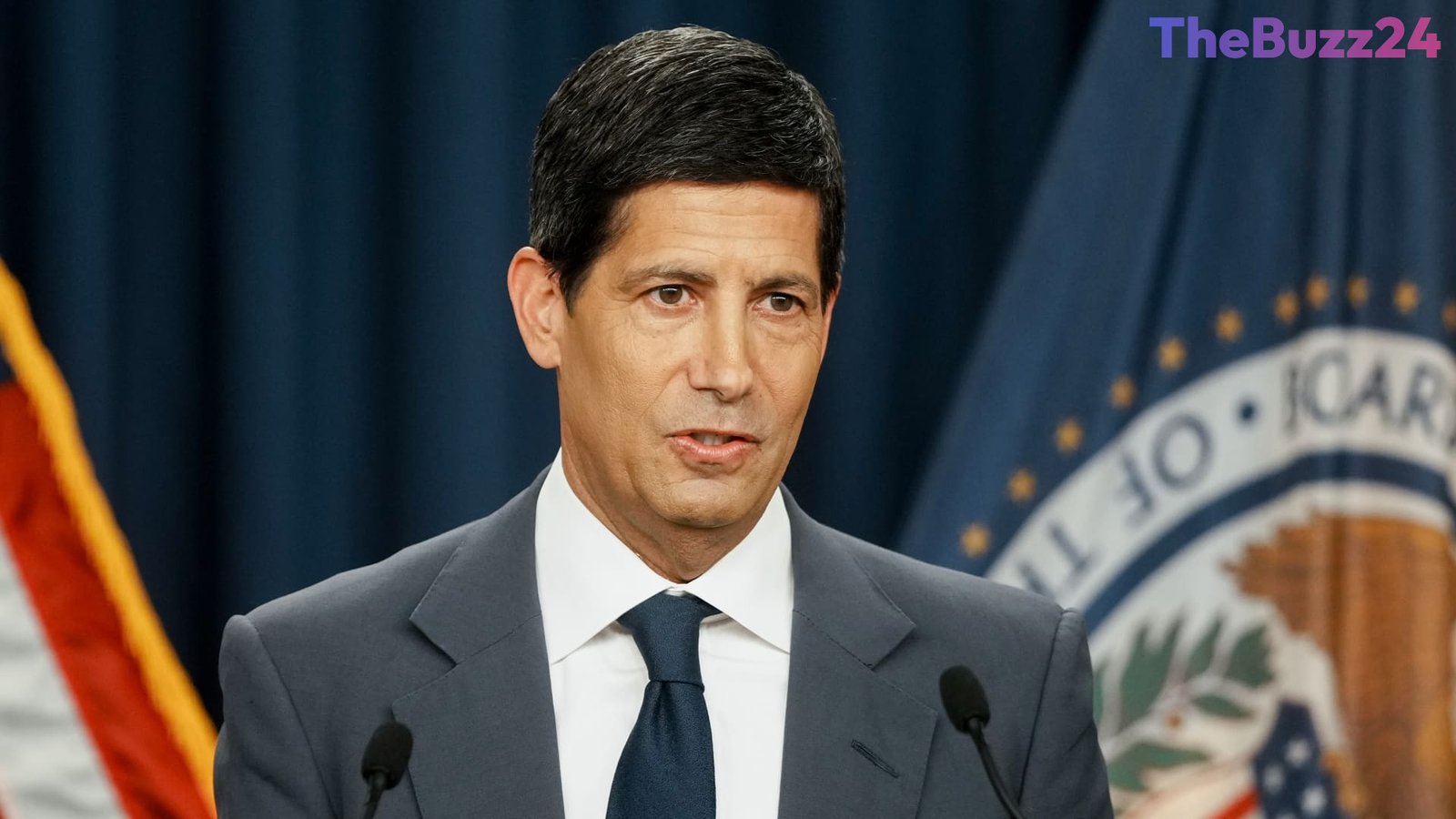
This policy adjustment, spearheaded by Chairman Kevin Warsh, is part of a broader effort to reduce the central bank’s immediate market footprint and foster deeper intellectual deliberation. By removing the pressure of an imminent vote and the subsequent requirement for a formal policy statement during the October session, the committee aims to focus on long-term economic strategy and structural questions rather than short-term market reactions.
Chairman Warsh has emphasized that this change is intended to move the Fed away from the practice of providing excessive, potentially restrictive guidance on near-term policy moves. The move follows other streamlining efforts under his leadership, including the shortening of post-meeting statements and the reduction of press conference durations. Warsh indicated that this is not merely an administrative change, but a fundamental shift in how the institution approaches its decision-making process, with plans to increase the number of non-voting strategic meetings in 2028.
Key Takeaways
- The Federal Reserve will reduce its voting meetings from eight to seven in 2027, with the October session reserved for strategic discussion.
- Chairman Kevin Warsh is leading the initiative to streamline communication and reduce the central bank's reliance on short-term policy guidance.
- The shift aims to provide policymakers with more time to address long-term economic questions without the immediate pressure of a formal rate decision.
Editor’s Analysis & Impact
The decision to reduce the frequency of rate-setting meetings signals a departure from the ‘transparency-at-all-costs’ era that defined the Federal Reserve for much of the last decade. By creating space for non-voting strategic sessions, Chairman Warsh is attempting to pivot the institution toward a more deliberative, less reactive posture. This shift suggests that the Fed is concerned about the market’s over-reliance on forward guidance, which can often box policymakers into corners during volatile economic periods. If successful, this approach could reduce market noise and allow the committee to focus on structural economic shifts. However, it also risks creating a perception of reduced transparency, which could lead to increased market uncertainty if investors feel they have less insight into the committee’s immediate intentions.
Frequently Asked Questions
Q: Will there be an interest rate vote at the October 2027 Federal Reserve meeting?
A: No, the October 2027 meeting has been designated as a non-voting session dedicated to broad monetary policy strategy and long-term discussions.
Q: Why is the Federal Reserve changing its meeting schedule?
A: The change is intended to streamline communication, reduce the central bank's market footprint, and allow policymakers more time to focus on long-term strategic issues rather than short-term policy guidance.
AI Disclosure: This article is based on verified data and official reports. Our Team and AI have cross-referenced every financial detail with primary sources to ensure total accuracy.
More from this Category