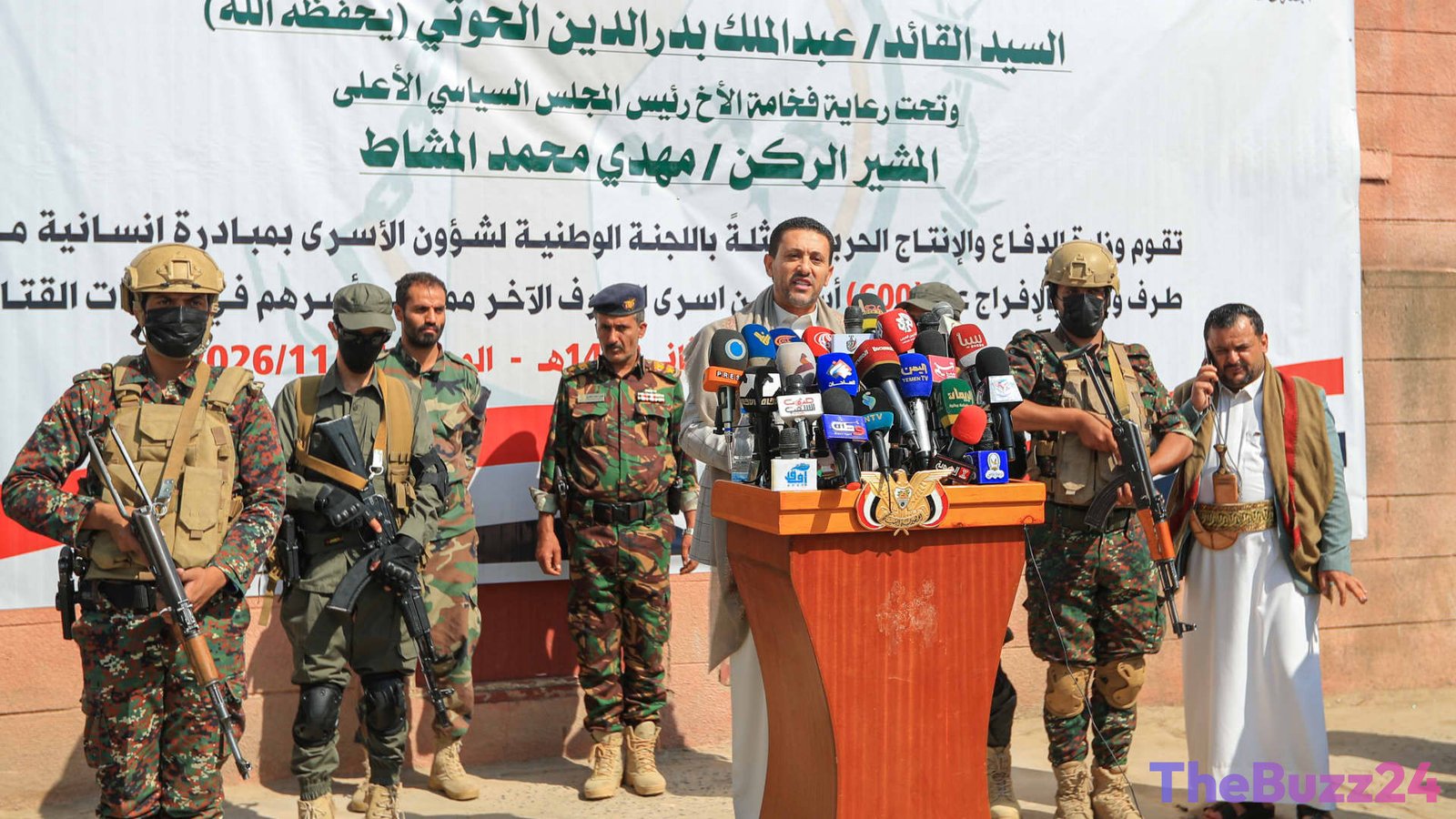
Middle East Tensions Surge as Yemeni Forces Retreat and Iran Targets U.S. Base in Bahrain
A significant shift in regional military dynamics unfolded as coalition troops supporting Yemen’s internationally recognized government executed a strategic withdrawal from the Bab el-Mandeb Strait. The pullout effectively concludes a six-week counteroffensive aimed at securing critical maritime trade routes along the Red Sea coast. Government-aligned forces have redeployed toward the southern port city of Aden to reinforce defense lines and protect the temporary capital against potential Houthi advances.
Simultaneously, security risks across the Gulf escalated following a series of aerial strikes launched by Iran targeting military facilities in Bahrain. Air defense systems in Bahrain intercepted multiple incoming drones launched by Iran’s Islamic Revolutionary Guard Corps near the operational headquarters of the U.S. Navy’s Fifth Fleet. The direct targeting of military installations in the Gulf places renewed political pressure on Washington to navigate the ongoing confrontation.
The compounding conflicts continue to disrupt regional trade and impact global energy markets. Houthi militants intensified long-range drone and missile strikes directed at critical infrastructure inside Saudi Arabia, including aviation hubs and major crude oil pipelines. While energy shipments have been partially rerouted to bypass key naval choke points, persistent maritime threats around the Strait of Hormuz are keeping crude oil prices elevated as diplomatic efforts to de-escalate remain stalled.
Key Takeaways
- Government-aligned forces in Yemen pulled back from the Bab el-Mandeb Strait to fortify the temporary capital of Aden.
- Iran launched drone attacks targeting U.S. naval defense facilities in Bahrain, prompting air defense interceptions.
- Targeted strikes on oil infrastructure and shipping channels continue to cause volatility in global energy markets.
Editor’s Analysis & Impact
The dual escalation of ground retreats in Yemen and direct aerial attacks in Bahrain highlights a dangerous widening of regional instability. With government-backed forces consolidating around Aden, Houthi militants are positioned to expand control over key Red Sea shipping corridors, posing long-term risks to global maritime commerce. Meanwhile, direct strikes on U.S. naval hubs in Bahrain test Washington’s strategic posture amid domestic political pressures. Economically, repeated disruptions to energy transport routes—such as the East-West pipeline and the Strait of Hormuz—will sustain a geopolitical risk premium on global crude oil, forcing energy markets to endure ongoing volatility until active diplomatic negotiations resume.
Frequently Asked Questions
Q: Why did government-backed forces retreat from the Bab el-Mandeb Strait?
A: Forces supporting Yemen's government redeployed from the coastal region to prioritize the defense of Aden and secure front lines against potential Houthi advances.
Q: What facilities were targeted in the attacks on Bahrain?
A: The strikes targeted military installations in Bahrain that host U.S. forces, including areas near the headquarters of the U.S. Navy's Fifth Fleet.
Q: How are these developments affecting energy markets?
A: Attacks on oil pipelines, airports, and maritime lanes have raised fears of supply disruptions in the Strait of Hormuz, driving up crude oil prices.
AI Disclosure: This article is based on verified data and official reports. Our Team and AI have cross-referenced every financial detail with primary sources to ensure total accuracy.
More from this Category