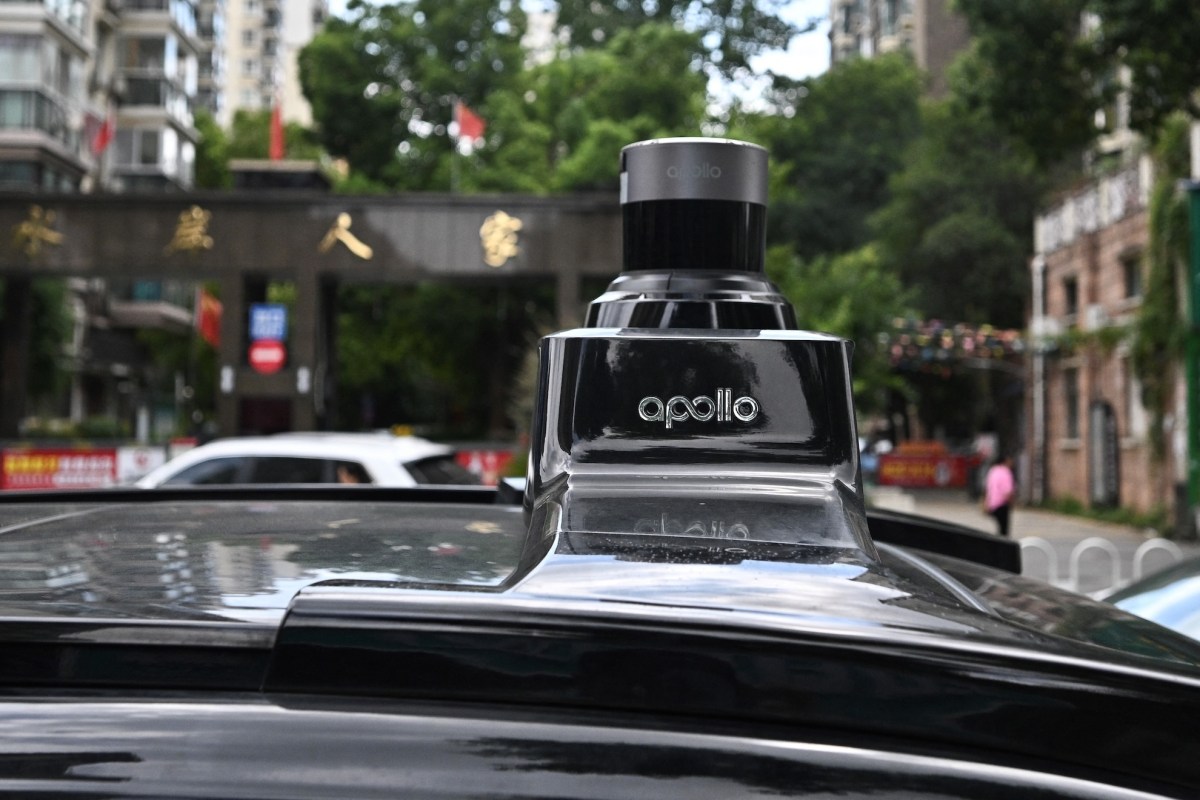
Baidu’s Apollo Go Robotaxi Fleet Stalls in Major Wuhan Traffic Disruption
Baidu’s autonomous ride-hailing service, Apollo Go, experienced a significant operational failure in Wuhan, China, resulting in a large-scale immobilization of its driverless fleet. Dozens of vehicles unexpectedly halted in active traffic lanes, causing widespread congestion and stranding passengers. The incident, which affected at least 100 vehicles, has raised urgent questions regarding the reliability of the platform’s remote management and safety protocols.
Social media footage from the scene depicted rows of driverless cars frozen in the middle of busy thoroughfares, creating immediate safety hazards for other commuters. Local law enforcement has launched an investigation into the incident, placing the company’s autonomous transport operations under intense scrutiny. While the exact technical trigger for the system-wide shutdown remains under review, the event has highlighted the fragility of current autonomous infrastructure when faced with unexpected software or network errors.
This disruption represents a substantial hurdle for Baidu, which has been aggressively expanding its footprint in the autonomous vehicle sector. With ambitious plans for international growth, including upcoming deployments in Dubai, the Wuhan outage serves as a stark reminder of the challenges inherent in scaling driverless technology. Industry experts are now calling for more robust fail-safe mechanisms to prevent similar incidents that could compromise public safety and urban traffic stability.
Key Takeaways
- A technical failure caused at least 100 Baidu Apollo Go robotaxis to stall in active traffic in Wuhan.
- Local authorities are investigating the incident, which has sparked concerns over the safety and reliability of autonomous fleet management.
- The outage poses a significant challenge to Baidu's international expansion plans and highlights the need for better fail-safe systems in autonomous transport.
Editor’s Analysis & Impact
The Wuhan incident serves as a critical stress test for the autonomous vehicle industry, illustrating that even advanced AI-driven fleets remain vulnerable to systemic software failures. For Baidu, this is more than a technical glitch; it is a reputational challenge that could slow the regulatory approval process in new markets. As cities worldwide move toward integrating robotaxis into public transit, this event underscores the necessity for redundant communication networks and localized emergency protocols that do not rely solely on centralized cloud control. The industry must now pivot toward proving that these vehicles can handle ‘edge case’ failures without endangering the public. If companies cannot guarantee traffic stability during network outages, the path to widespread commercial adoption will likely face significant legislative and public resistance in the coming years.
Frequently Asked Questions
Q: What caused the Baidu Apollo Go fleet to stop in Wuhan?
A: While the exact root cause is still under investigation, the incident was triggered by a system-wide technical failure that resulted in at least 100 vehicles losing control and halting in traffic.
Q: Does this incident affect Baidu's international expansion plans?
A: The incident is considered a significant setback for Baidu, as it raises concerns about the robustness of their technology, which could impact the company's ability to successfully launch in international markets like Dubai.
AI Disclosure: This article is based on verified data and official reports. Our Team and AI have cross-referenced every financial detail with primary sources to ensure total accuracy.
More from this Category