Digital Asset Markets Navigate Q1 2026 Volatility as TradFi Integration Accelerates
The first quarter of 2026 proved to be a transformative period for the digital asset sector, marked by significant macroeconomic headwinds and geopolitical tensions. The broader cryptocurrency market saw a 22% contraction in total capitalization, with Bitcoin experiencing a sharp decline from its February highs near $95,000. However, the asset showed notable resilience, stabilizing near $70,000 by the end of March. This recovery was largely fueled by a resurgence in spot Bitcoin ETF activity, which saw net inflows exceeding 30,000 BTC, reinforcing the asset’s role as a potential hedge during periods of global instability, such as the onset of the Iran conflict in late February.
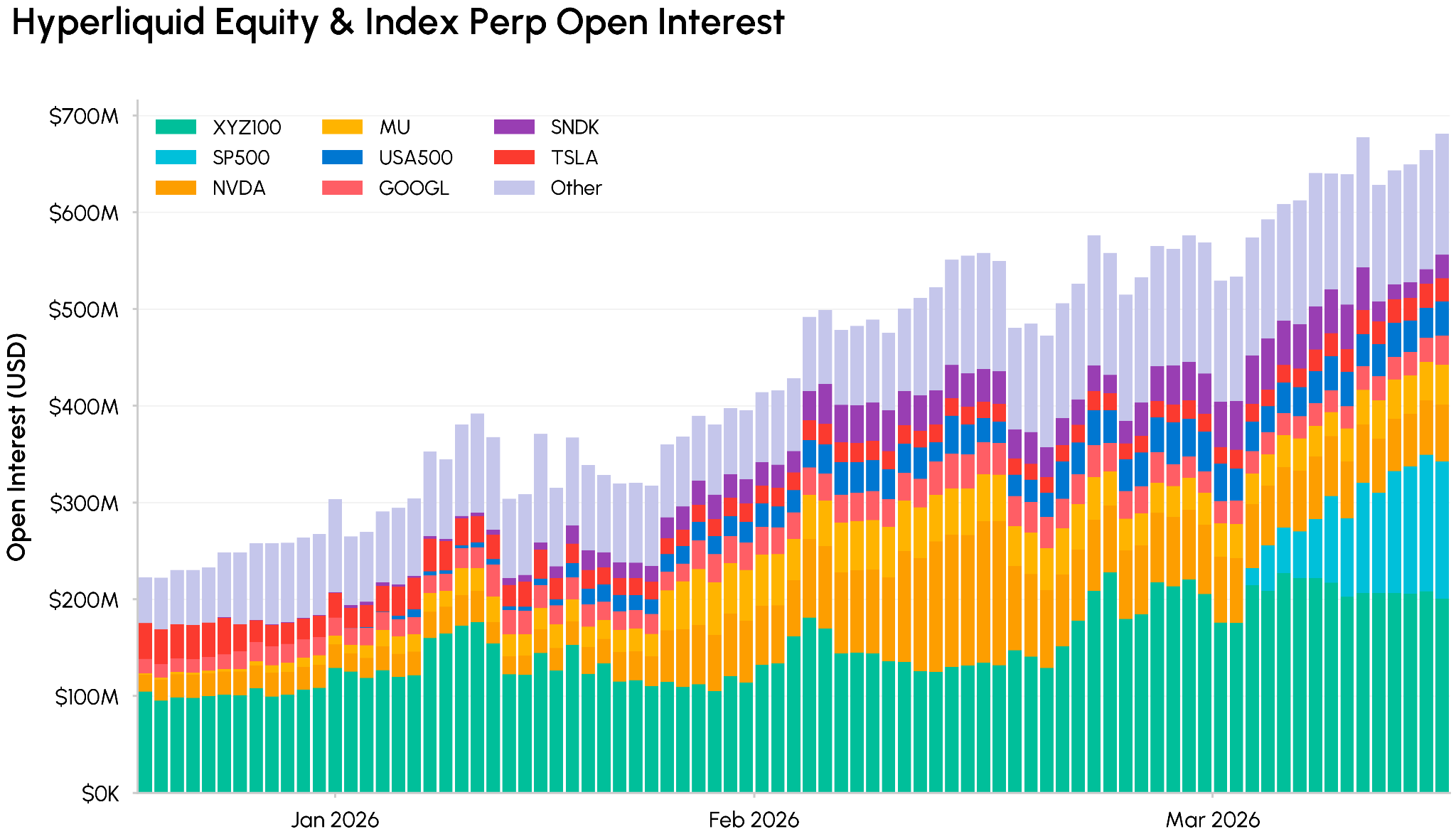
Beyond price action, the quarter was defined by the deepening convergence of traditional finance and blockchain infrastructure. Platforms like Hyperliquid, Kraken, and Coinbase expanded their offerings to include perpetual futures for traditional equities, indices, and commodities. Notably, Hyperliquid reported that non-crypto trading volume accounted for nearly 45% of its total activity, with open interest in traditional assets reaching $1.9 billion. This shift toward 24/7 onchain trading of conventional assets, such as the S&P 500 and individual stocks like Nvidia, signals a fundamental change in how market participants access traditional financial instruments.
Stablecoins remained the bedrock of this ecosystem, maintaining a total supply of approximately $300 billion while processing $21.5 trillion in transfer volume—a threefold increase over the previous year. USDC solidified its dominance, particularly on the Base network. Meanwhile, the regulatory landscape began to crystallize with the introduction of the CLARITY Act, which proposes new rules for stablecoin yields, and a joint SEC-CFTC framework that provides a five-category taxonomy for digital assets. By classifying tokens into clear buckets—ranging from digital commodities to securities—regulators are providing the necessary guardrails for institutional adoption and long-term market maturation.
Key Takeaways
- Bitcoin demonstrated resilience in Q1 2026, recovering to $70,000 following a sharp decline, supported by strong inflows into spot ETFs.
- The integration of traditional financial assets into blockchain platforms is accelerating, with perpetual futures for stocks and indices becoming a major component of onchain trading volume.
- New regulatory frameworks, including the proposed CLARITY Act and a joint SEC-CFTC taxonomy, are providing much-needed clarity on the classification of digital assets and stablecoin operations.
Editor’s Analysis & Impact
The first quarter of 2026 marks a pivotal maturation point for the digital asset industry. The transition from speculative retail-driven trading to a hybrid model where blockchain serves as the settlement layer for traditional financial instruments is now well underway. The surge in non-crypto trading volume on decentralized platforms suggests that the ‘onchain’ experience is becoming a preferred venue for 24/7 global markets. Furthermore, the move toward regulatory clarity—specifically the SEC-CFTC taxonomy—is a double-edged sword; while it imposes stricter compliance requirements, it removes the ‘regulatory overhang’ that has historically deterred institutional capital. Moving forward, the industry’s economic model will likely shift away from yield-heavy speculative products toward transaction-driven utility, favoring platforms that can successfully bridge the gap between legacy finance and decentralized infrastructure.
Frequently Asked Questions
Q: How did the SEC and CFTC classify digital assets in their new framework?
A: The regulators introduced a five-category taxonomy: core network tokens are digital commodities; NFTs are generally not securities; payment stablecoins are money-like instruments; tokenized stocks and bonds are digital securities; and staking/mining activities are evaluated based on the specific promises made to investors.
Q: What is the significance of the proposed CLARITY Act?
A: The CLARITY Act is a draft bill that aims to regulate stablecoins by prohibiting yield on passive balances while permitting activity-based rewards, a move that could significantly impact the revenue models of major stablecoin issuers and exchanges.
AI Disclosure: This article is based on verified data and official reports. Our Team and AI have cross-referenced every financial detail with primary sources to ensure total accuracy.
More from this Category