White House Signals Potential De-escalation in Iran Conflict Amid Rising Energy Costs
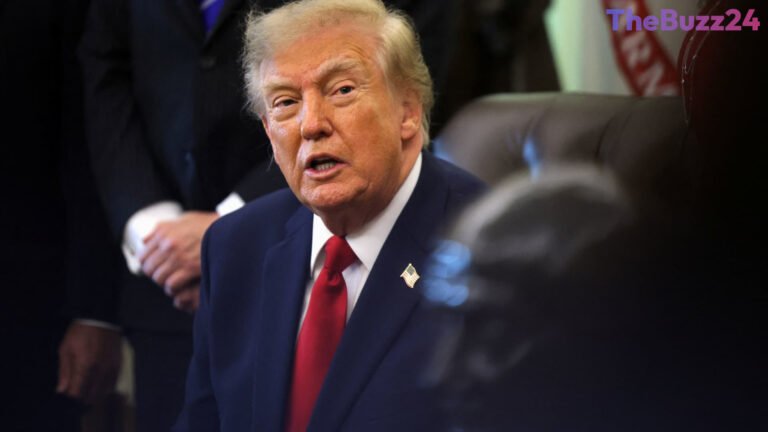
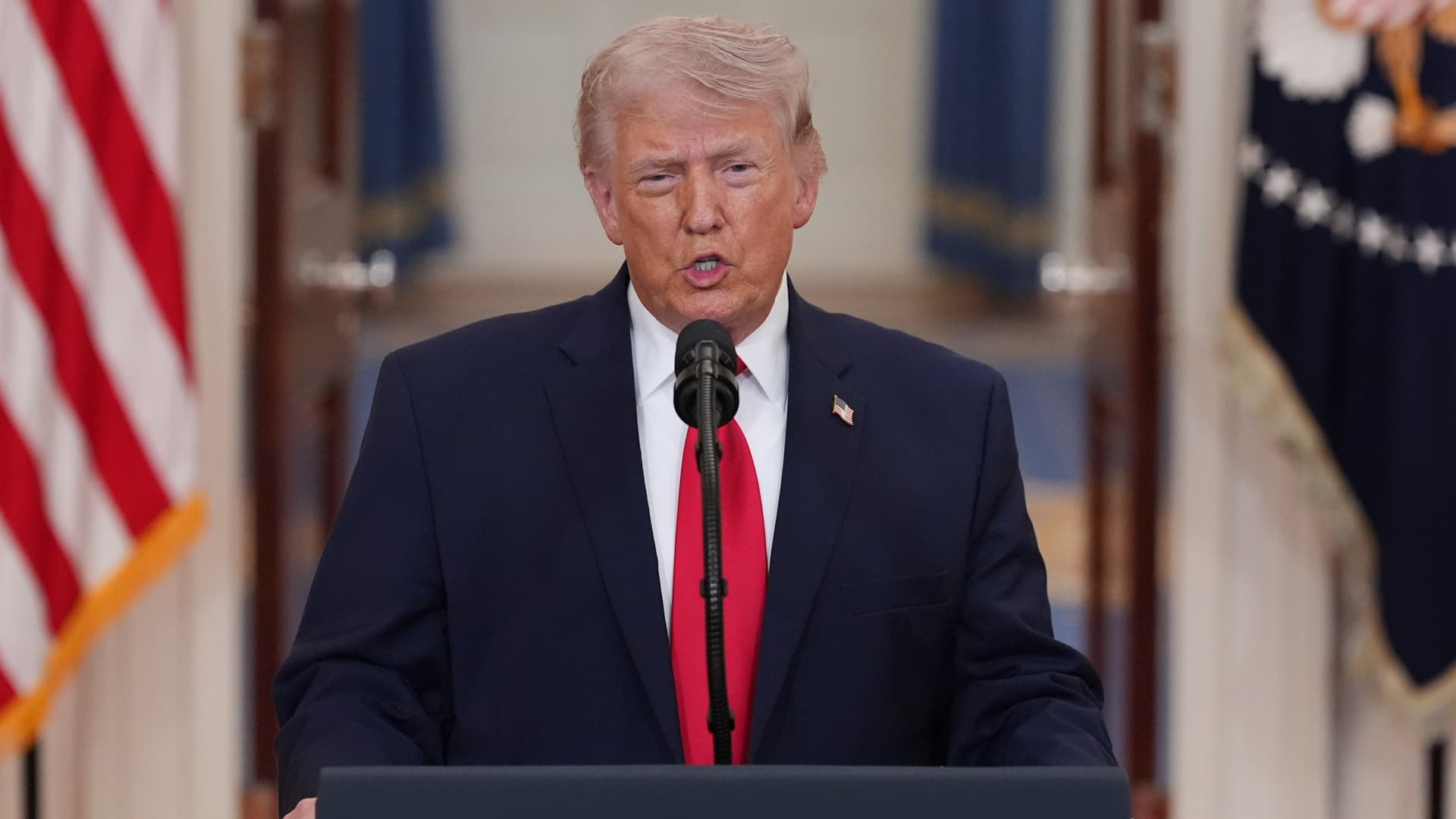
President Donald Trump has indicated that the ongoing military engagement between the United States and Iran may be nearing a conclusion. Speaking from the White House, the President suggested that diplomatic efforts are gaining traction, though he maintained a stern warning that the U.S. remains prepared to execute severe strikes against Iranian electrical grids and oil infrastructure should negotiations fail to produce a breakthrough.
The administration highlighted the progress of ‘Operation Epic Fury,’ a military campaign aimed at neutralizing Iran’s naval and aerial capabilities. By focusing on the destruction of missile and drone launch sites, the U.S. seeks to diminish Iran’s regional influence. The President emphasized that these operations are designed to support international allies and address long-standing policy concerns, noting that the United States’ current energy independence shields it from a direct reliance on Iranian oil supplies.
Despite these military objectives, the conflict has triggered significant global economic instability. The closure of the Strait of Hormuz has caused oil prices to exceed $100 per barrel, leading to a sharp rise in domestic gasoline prices, which have now surpassed $4.00 per gallon. The administration has explicitly linked the possibility of a ceasefire to the reopening of this vital maritime chokepoint, placing the burden of the current economic strain on Tehran.
Domestically, the administration’s approach has sparked a polarized debate. While prominent Republican lawmakers have voiced support for the systematic dismantling of Iran’s nuclear and missile programs, Democratic leaders have raised alarms regarding the long-term economic consequences and the sustainability of the current military strategy. As financial markets continue to fluctuate in response to the geopolitical uncertainty, the administration faces the dual challenge of achieving its strategic goals while mitigating the impact of inflation on American households.
Key Takeaways
- President Trump has signaled a potential end to the conflict with Iran, contingent on diplomatic progress and the reopening of the Strait of Hormuz.
- The military campaign, dubbed 'Operation Epic Fury,' has successfully targeted key Iranian naval and aerial infrastructure.
- Global energy markets have been severely impacted, with oil prices topping $100 per barrel and U.S. gas prices rising above $4.00 per gallon.
Editor’s Analysis & Impact
The current geopolitical standoff represents a high-stakes gamble with profound implications for the global economy. By leveraging military force to target critical infrastructure, the administration is attempting to force a strategic shift in Tehran’s behavior. However, the resulting volatility in energy markets highlights the fragility of global supply chains, particularly with the Strait of Hormuz effectively shuttered. The inflationary pressure caused by these energy spikes poses a significant risk to domestic economic stability. Looking forward, the administration must navigate a narrow path: maintaining the momentum of its military objectives while addressing the growing public concern over rising costs. If the conflict persists, the potential for sustained market instability and supply chain disruptions will likely force a critical re-evaluation of the current ‘maximum pressure’ doctrine.
Frequently Asked Questions
Q: What is the primary condition for a ceasefire according to the administration?
A: The administration has stated that a ceasefire will only be considered once the Strait of Hormuz is fully reopened to international shipping.
Q: How has the conflict impacted U.S. gas prices?
A: The conflict has caused significant disruption to global oil supplies, leading to a surge in oil prices above $100 per barrel and pushing the U.S. national average for gasoline past $4.00 per gallon.
AI Disclosure: This article is based on verified data and official reports. Our Team and AI have cross-referenced every financial detail with primary sources to ensure total accuracy.
More from this Category