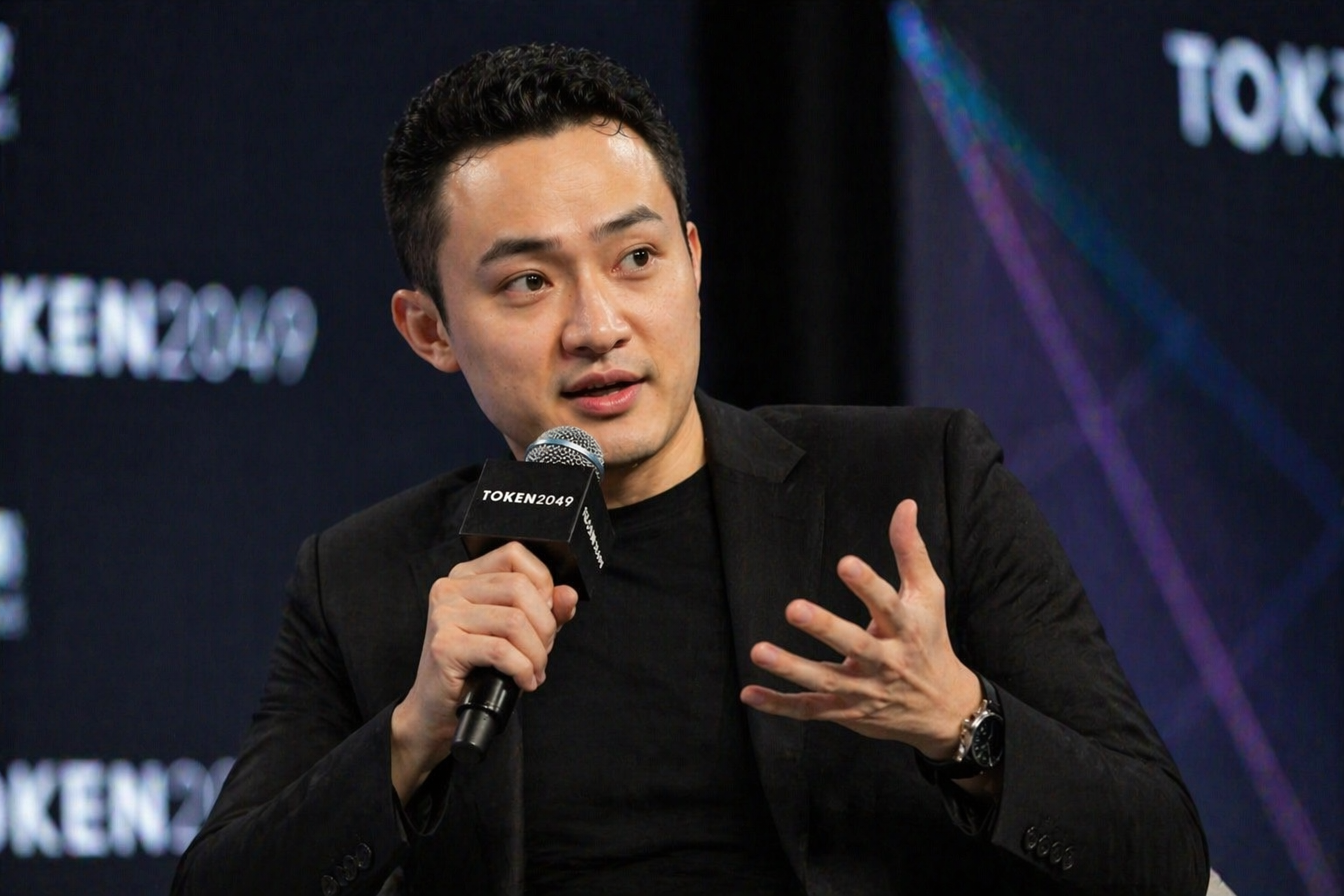
Justin Sun Launches Legal Battle Against Globe Liberty Financial Over Frozen WLFI Assets
Cryptocurrency entrepreneur Justin Sun has initiated legal proceedings against Globe Liberty Financial (WLFI) in a California federal court. The lawsuit alleges that the platform unilaterally froze Sun’s holdings, which total approximately 2.94 billion WLFI tokens. According to the complaint, this freeze—which encompasses both locked and unlocked assets—has effectively barred Sun from transferring or liquidating his holdings, resulting in a significant decline in their market value from over $107 million in September 2025 to a range between $43 million and $60 million by April 2026.
Beyond the financial impact, Sun claims that Globe Liberty Financial threatened to permanently destroy a portion of his stake through a token-burning mechanism. The entrepreneur asserts that these actions were taken without due process or prior notification. Despite attempts to resolve the matter privately, Sun alleges that the platform refused to restore his access or reinstate his governance rights, prompting the move to litigation.
The conflict has intensified following a controversial governance proposal introduced by WLFI on April 15. The proposal seeks to implement stricter token-locking conditions and a vesting schedule for early investors, while also mandating a 10% burn of advisor tokens. Sun argues that because his tokens remain frozen, he is effectively disenfranchised and unable to vote on policies that directly impact his investment. This case highlights a growing tension within the decentralized finance sector regarding the balance between administrative security controls and the rights of individual token holders.
In response, Globe Liberty Financial maintains that the restrictions were implemented for security and regulatory compliance purposes. The platform asserts that its administrative measures are essential to protect the integrity of the ecosystem. The court’s eventual ruling is expected to serve as a critical precedent for how decentralized projects manage governance disputes and whether they can impose restrictive controls on large-scale investors without clear, pre-established procedural safeguards.
Key Takeaways
- Justin Sun is suing Globe Liberty Financial for freezing 2.94 billion WLFI tokens, causing a massive decline in asset value.
- The dispute centers on the platform's ability to unilaterally freeze assets and threaten token burns without clear procedural safeguards.
- The case highlights a broader industry conflict between decentralized governance ideals and the centralized control mechanisms used by crypto platforms.
Editor’s Analysis & Impact
This lawsuit represents a pivotal moment for decentralized finance (DeFi) governance. As projects mature, the friction between ‘code is law’ philosophies and the practical need for administrative oversight is becoming increasingly litigious. By challenging the platform’s ability to freeze assets and restrict voting rights, Justin Sun is forcing a legal examination of the ‘centralized’ nature of many supposedly decentralized protocols. If the court rules in favor of the investor, it could force DeFi projects to adopt more transparent, legally robust governance frameworks, potentially limiting the power of developers to alter terms for early stakeholders. Conversely, a win for the platform would reinforce the authority of administrative controls, potentially deterring large-scale investors who fear arbitrary asset management. This case will likely influence future investor agreements and the regulatory scrutiny applied to token-based governance models.
Frequently Asked Questions
Q: Why did Justin Sun file a lawsuit against Globe Liberty Financial?
A: Sun filed the lawsuit because the platform froze his 2.94 billion WLFI tokens, preventing him from trading or voting, and threatened to burn a portion of his holdings.
Q: What is the core argument regarding the WLFI governance proposal?
A: Sun argues that the proposal unfairly imposes new locking conditions and vesting schedules while his frozen status prevents him from participating in the governance vote, effectively stripping him of his rights as an investor.
AI Disclosure: This article is based on verified data and official reports. Our Team and AI have cross-referenced every financial detail with primary sources to ensure total accuracy.
More from this Category