Asia-Pacific Markets Tumble Amid Escalating Iran-U.S. Tensions
Financial markets across the Asia-Pacific region faced a significant downturn on Thursday as investors reacted to aggressive rhetoric from U.S. President Donald Trump regarding the ongoing geopolitical standoff with Iran. The president’s comments, which suggested that American objectives in the region were nearing completion while simultaneously threatening a severe military response, triggered a wave of risk aversion that erased earlier gains across major exchanges.
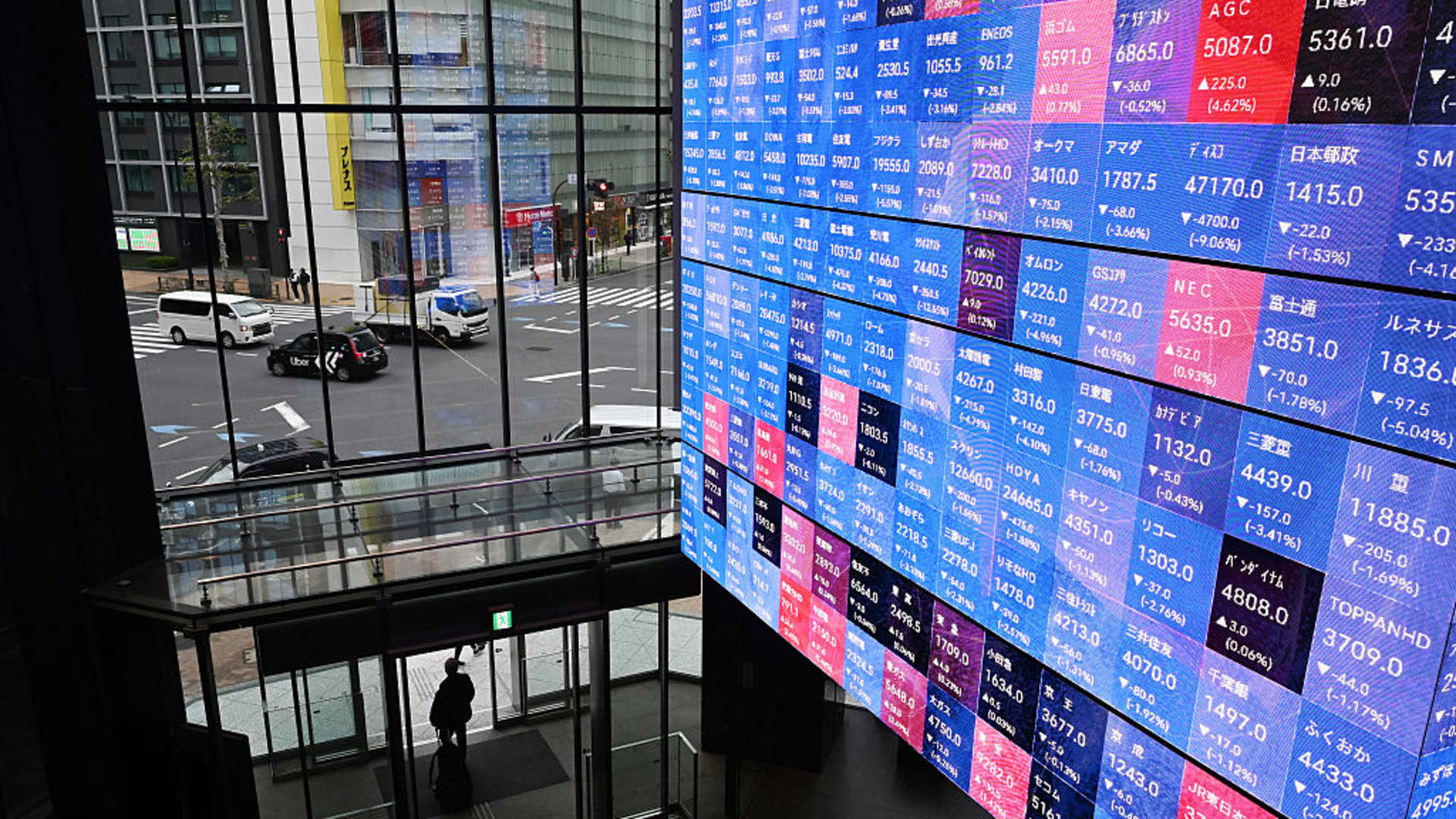
The market reaction was swift and widespread. South Korea’s Kospi and Kosdaq indexes led the decline, plummeting 5.03% and 6.13% respectively, despite both having opened the session with gains. Japan’s Nikkei 225 dropped 2.5%, while the Topix fell 1.7%. Similar downward pressure was felt in Hong Kong, mainland China, and India, where major indices recorded losses between 1.3% and 2.1%. The volatility also spilled over into global commodity markets, with oil prices experiencing a notable surge as traders braced for potential supply disruptions.
This market instability is largely attributed to the perceived inconsistency in Washington’s diplomatic and military messaging. Recent conflicting statements regarding potential ceasefires and the strategic importance of the Strait of Hormuz have left investors struggling to gauge the likelihood of a full-scale conflict. As the U.S. continues to maintain a significant military presence in the region, the combination of bellicose warnings and shifting policy stances has created a climate of profound uncertainty that continues to weigh heavily on global investor sentiment.
Key Takeaways
- Asia-Pacific stock markets saw sharp declines following aggressive comments from President Trump regarding Iran.
- Oil prices surged as investors reacted to the heightened risk of military escalation in the Middle East.
- Market volatility is being driven by inconsistent messaging from the U.S. administration regarding diplomatic and military objectives.
Editor’s Analysis & Impact
The sharp market correction across Asia-Pacific highlights the extreme sensitivity of global capital markets to geopolitical instability in the Middle East. When rhetoric shifts from diplomatic posturing to explicit threats of military force, the immediate impact is a flight to safety, which explains the rapid sell-off in equities and the spike in oil prices. The broader implication here is a ‘geopolitical risk premium’ that is currently being priced into global assets. Until there is a clear, consistent, and de-escalatory communication strategy from Washington, investors are likely to remain in a defensive posture. Future market stability depends heavily on whether the current rhetoric translates into actual military engagement or if it remains a tool of strategic pressure. Analysts should monitor oil futures and safe-haven assets like gold as primary indicators of how deep the market’s fear of a prolonged conflict truly runs.
Frequently Asked Questions
Q: Why did Asian markets drop so sharply on Thursday?
A: Markets dropped primarily due to investor anxiety following President Trump's aggressive statements regarding potential military action against Iran, which created uncertainty about regional stability.
Q: How did the rhetoric affect commodity prices?
A: The threat of military conflict in a region critical to global energy supplies caused a significant surge in oil prices as traders anticipated potential supply chain disruptions.
AI Disclosure: This article is based on verified data and official reports. Our Team and AI have cross-referenced every financial detail with primary sources to ensure total accuracy.
More from this Category