JD Vance Labels Iran Ceasefire ‘Fragile’ Amid Diplomatic Uncertainty
Vice President JD Vance has characterized the current ceasefire agreement with Iran as a “fragile truce,” warning that while the immediate halt in hostilities offers a temporary reprieve, the path toward enduring regional stability remains fraught with challenges. The recent de-escalation has provided a measure of relief to global markets, which have responded positively to the cooling of tensions over the last fortnight.
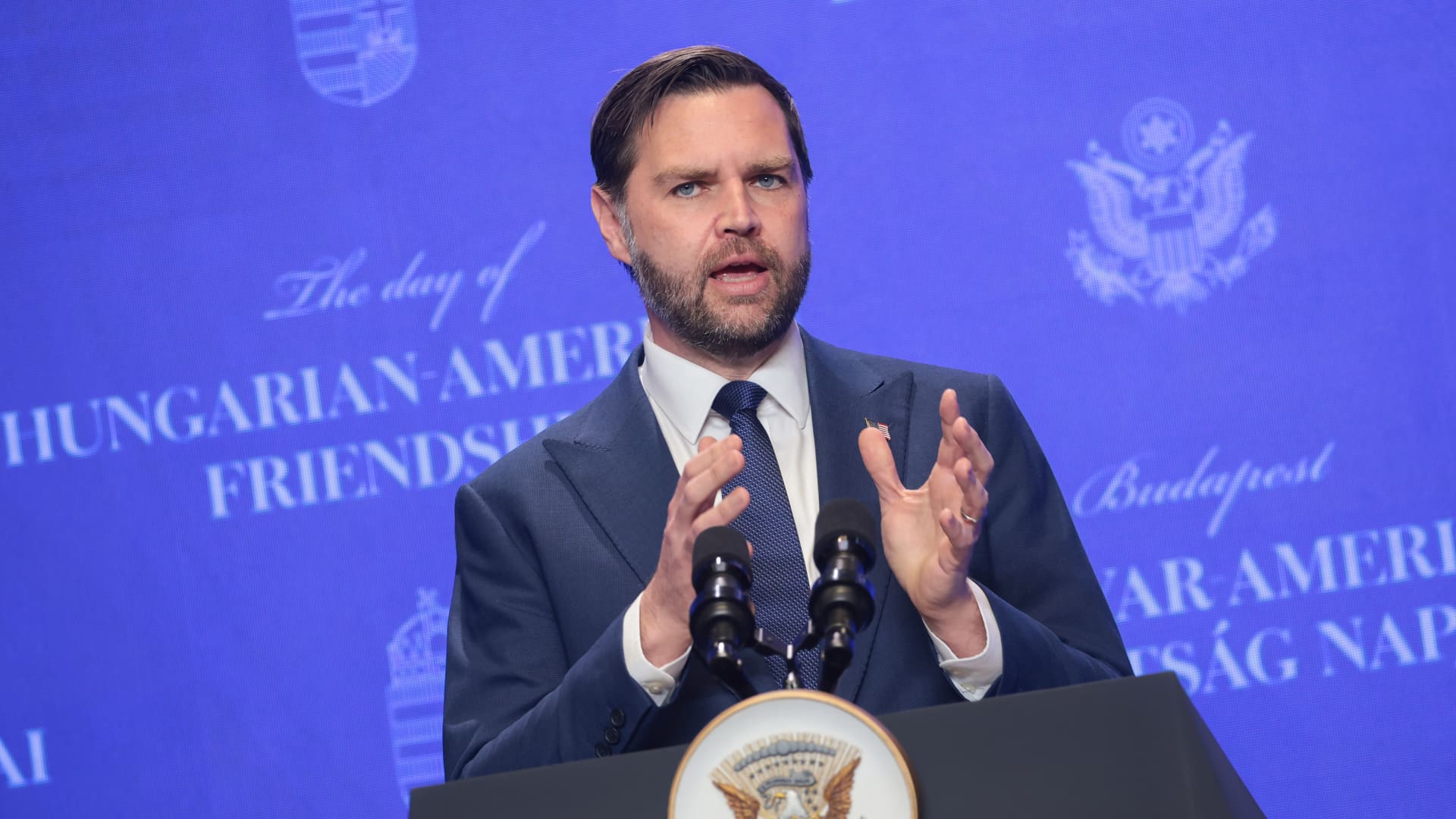
Speaking during a diplomatic visit to Hungary, Vance pointed to a troubling lack of cohesion within the Iranian government. He noted that while certain factions appear willing to engage in meaningful dialogue, other elements within Tehran’s leadership seem to be undermining or misinterpreting the core tenets of the agreement. This internal discord is a central reason why the current administration views the peace as precarious, as the public rhetoric from Iranian officials frequently contradicts the diplomatic signals conveyed to international partners.
Despite the ongoing diplomatic efforts, the administration maintains that it retains substantial economic and military leverage should the truce fail. Vance emphasized that the White House is prioritizing tangible outcomes, cautioning that President Donald Trump is prepared to pivot away from diplomatic engagement if Iran fails to demonstrate genuine adherence to the deal. Having already focused on weakening Iran’s conventional military capabilities, the U.S. is now demanding verifiable proof of Tehran’s commitment to the ceasefire.
The administration has made it clear that the current window for negotiation is strictly conditional. Officials continue to monitor the region with high vigilance, stressing that any further progress is contingent upon Iran’s ability to uphold its obligations and work toward a more stable regional framework.
Key Takeaways
- Vice President JD Vance describes the Iran ceasefire as a 'fragile truce' due to internal inconsistencies within the Iranian government.
- The U.S. administration maintains significant economic and military leverage and is prepared to abandon diplomacy if the agreement is violated.
- Future diplomatic progress is strictly conditional on Iran's demonstrated commitment to the terms of the truce.
Editor’s Analysis & Impact
The characterization of the Iran ceasefire as ‘fragile’ by the Vice President signals a strategic shift toward ‘trust but verify’ diplomacy. By highlighting internal divisions within Tehran, the administration is likely attempting to exert pressure on moderate factions to consolidate control and adhere to the agreement. From a market perspective, the volatility surrounding this truce suggests that global investors remain wary of geopolitical shocks; any sign of a breakdown in negotiations could lead to immediate spikes in oil prices and market instability. The broader implication is that the U.S. is moving away from open-ended diplomatic outreach toward a results-oriented framework. If the administration follows through on its threat to abandon talks, the region could face a rapid return to heightened military posturing, which would significantly alter the current economic outlook for the Middle East.
Frequently Asked Questions
Q: Why does the U.S. administration view the Iran ceasefire as unstable?
A: The administration cites internal inconsistencies within the Iranian government, where different officials appear to be sending conflicting signals regarding the terms of the agreement.
Q: What is the U.S. prepared to do if the ceasefire fails?
A: The White House has indicated that it is prepared to abandon diplomatic channels and leverage its economic and military capabilities if Iran does not demonstrate good-faith adherence to the deal.
AI Disclosure: This article is based on verified data and official reports. Our Team and AI have cross-referenced every financial detail with primary sources to ensure total accuracy.
More from this Category