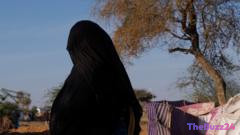
Aid Exploitation Scandal: Doctors Without Borders Confirms Staff Sexually Abused Sudanese Refugees
The international medical humanitarian organization Doctors Without Borders (MSF) has confirmed that its staff members were accused of sexually abusing at least 59 Sudanese refugees in eastern Chad. The incidents, which occurred in 2024, involved vulnerable individuals who had fled the devastating civil war in neighboring Sudan. In several instances, young girls were targeted, with perpetrators offering essential food supplies or employment opportunities in exchange for sexual acts.
Following an internal investigation, MSF terminated the employment of 18 individuals identified as perpetrators. However, the organization acknowledged its inability to identify several other alleged abusers. An internal report from July suggested that the systemic patterns of exploitation within the camps may have amounted to human trafficking. Furthermore, the organization admitted that its official complaint mechanisms were largely ineffective, leaving many victims without support or responses to their grievances. Many refugees chose to remain silent out of fear that reporting the abuse would lead to the withholding of vital humanitarian aid.
This scandal unfolds against the backdrop of Sudan’s catastrophic civil war, which erupted following a violent power struggle between the national army and the paramilitary Rapid Support Forces (RSF). The conflict has triggered what is widely considered the world’s most severe humanitarian crisis, displacing over 11 million people and leaving 28 million facing acute hunger. While sexual violence has been heavily documented as a weapon of war within Sudan, this revelation highlights the ongoing vulnerability of displaced populations to exploitation by the very humanitarian workers sent to protect them.
Key Takeaways
- Doctors Without Borders (MSF) confirmed that at least 59 Sudanese refugees, including young girls, were sexually abused by its staff in eastern Chad.
- MSF dismissed 18 employees but admitted that ineffective complaint procedures and fear of aid retaliation prevented many victims from seeking justice.
- The abuse occurred amid Sudan's ongoing civil war, which has displaced over 11 million people and created the world's worst humanitarian crisis.
Editor’s Analysis & Impact
The revelation of sexual exploitation by Doctors Without Borders (MSF) personnel in Chad underscores a persistent, systemic vulnerability within global humanitarian operations. Despite years of industry-wide pledges to eradicate “sex-for-aid” exploitation, the power imbalance between aid delivery personnel and highly vulnerable, displaced populations remains a critical failure point. In conflict zones like Sudan and neighboring refugee hubs, the absolute dependency of refugees on external aid for survival creates an environment ripe for predatory behavior. This scandal not only damages the credibility of MSF but also threatens to erode public trust and funding for international aid organizations at a time when global humanitarian needs are at an all-time high. Moving forward, independent oversight bodies and robust, external reporting mechanisms will be essential to protect displaced populations from those tasked with their care.
Frequently Asked Questions
Q: What did the internal MSF investigation reveal about the abuse?
A: The investigation confirmed that at least 59 Sudanese refugees were abused by MSF staff in Chad, with some cases involving young girls. The abuse often involved exchanging food or jobs for sex, which MSF noted could amount to sexual trafficking. While 18 staff members were fired, others could not be identified, and internal complaint systems were found to be highly ineffective.
Q: Why did many victims fail to report the abuse immediately?
A: Many victims chose not to report the exploitation due to a fear of retaliation, specifically worrying that their access to life-saving humanitarian aid would be cut off. Additionally, those who did attempt to report the abuse often received no response or support due to flawed reporting procedures.
Q: What is the current humanitarian situation in Sudan?
A: Sudan is experiencing the world's worst humanitarian crisis due to a civil war between the national army and the Rapid Support Forces (RSF). The conflict has displaced more than 11 million people, left 28 million facing acute hunger, and resulted in an estimated death toll ranging from 150,000 to 400,000.
AI Disclosure: This article is based on verified data and official reports. Our Team and AI have cross-referenced every financial detail with primary sources to ensure total accuracy.
More from this Category