AI’s Double-Edged Sword: Leaders Grapple with Risks, Costs, and Trust at Tech Summit
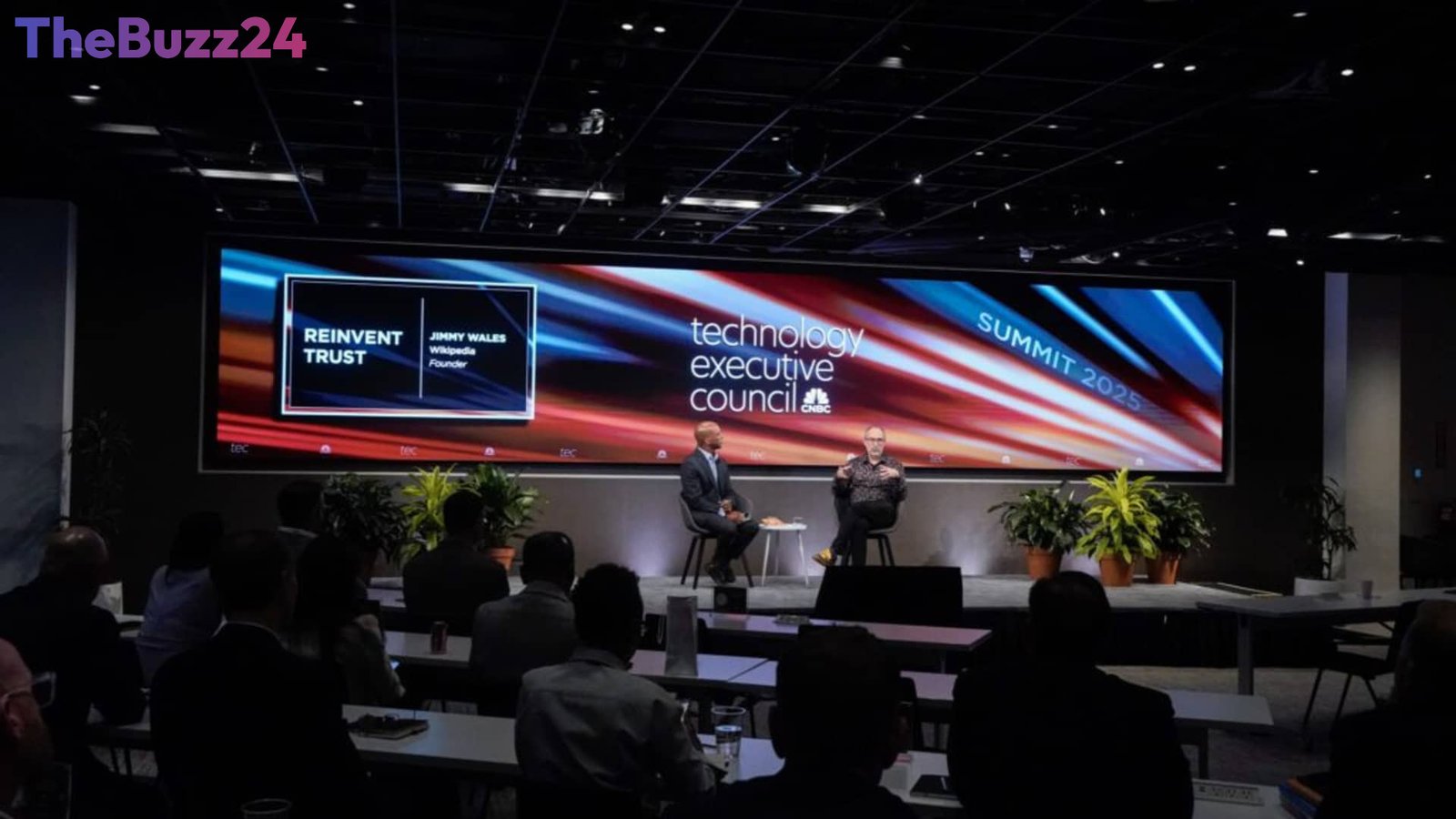
The rapid integration of artificial intelligence into business operations presents both unprecedented opportunities and significant challenges, a sentiment echoed by industry leaders at a recent technology executive summit. Discussions highlighted the critical need for companies to navigate the complexities of AI, from understanding compute return on investment and bolstering cybersecurity to addressing regulatory concerns and the potential of quantum computing.
The summit delved into the inherent risks associated with AI, particularly the misleading nature of its outputs. Experts voiced concerns that AI’s confident and clear presentation of information can mask errors, making it difficult for users to discern inaccuracies. This is especially worrying when AI is used for sensitive information, such as political or election data. A key point raised was the necessity for AI developers to collaborate more closely with subject matter experts to ensure the accuracy and reliability of AI-generated content, emphasizing that human expertise remains indispensable.
Furthermore, the summit explored how organizations are adapting their workforces to the AI era. One major employer surveyed its vast workforce to gauge their experience with AI, finding that while comfort levels vary, training and direct experience significantly improve engagement. A substantial majority of office-based employees expressed excitement about AI’s potential to enhance their work, while a high percentage of frontline associates reported confidence in using AI-powered tools integrated into their daily tasks. This underscores the importance of providing employees with adequate training and resources to embrace AI technologies effectively.
Leaders also addressed the accelerating pace of AI development, noting that the gap between technological advancement and organizational adaptation is widening. This disparity creates challenges in upskilling employees and determining appropriate tasks for AI delegation. The consensus is that human oversight remains paramount, with a focus on defining clear roles and responsibilities for both humans and AI agents to ensure responsible implementation and maintain human control over critical processes.
Key Takeaways
- AI's confident presentation can mask errors, necessitating critical evaluation and expert oversight.
- Employee training and experience are crucial for successful AI adoption and positive workforce engagement.
- Organizations must adapt strategies quickly to bridge the growing gap between AI advancement and human readiness.
Editor’s Analysis & Impact
The discussions at the technology summit underscore a pivotal moment for AI integration. While the potential for efficiency and innovation is immense, the inherent risks—from misinformation to workforce adaptation—require strategic, human-centric approaches. Companies are realizing that simply deploying AI is insufficient; they must invest in robust training, ethical guidelines, and a clear understanding of AI’s limitations. The market will likely see increased demand for AI governance tools and specialized expertise to manage these complexities. Future success will hinge on balancing rapid technological adoption with a commitment to accuracy, transparency, and human oversight, ensuring AI serves as a tool for progress rather than a source of unforeseen disruption.
Frequently Asked Questions
Q: What are the main concerns regarding AI's output?
A: A primary concern is that AI's responses are often presented with high confidence and clarity, making it difficult for users to identify potential errors or inaccuracies. This is particularly problematic when AI is used for critical information, such as news or political data, and highlights the need for human expertise and critical evaluation.
Q: How are companies preparing their workforces for AI?
A: Companies are focusing on providing comprehensive training programs and tools to help employees adapt to AI technologies. Surveys indicate that workers who receive training and have experience with AI are more comfortable and excited about its potential to improve their work. The emphasis is on empowering employees to use AI effectively in their daily roles.
Q: What is the challenge in delegating tasks to AI?
A: The rapid advancement of AI creates a widening gap between the technology's capabilities and an organization's ability to adapt. This poses challenges in upskilling employees and defining which tasks are appropriate for AI delegation. Leaders must develop new delegation skills and clearly define the roles of AI agents, ensuring human oversight remains central to the process.
AI Disclosure: This article is based on verified data and official reports. Our Team and AI have cross-referenced every financial detail with primary sources to ensure total accuracy.
More from this Category