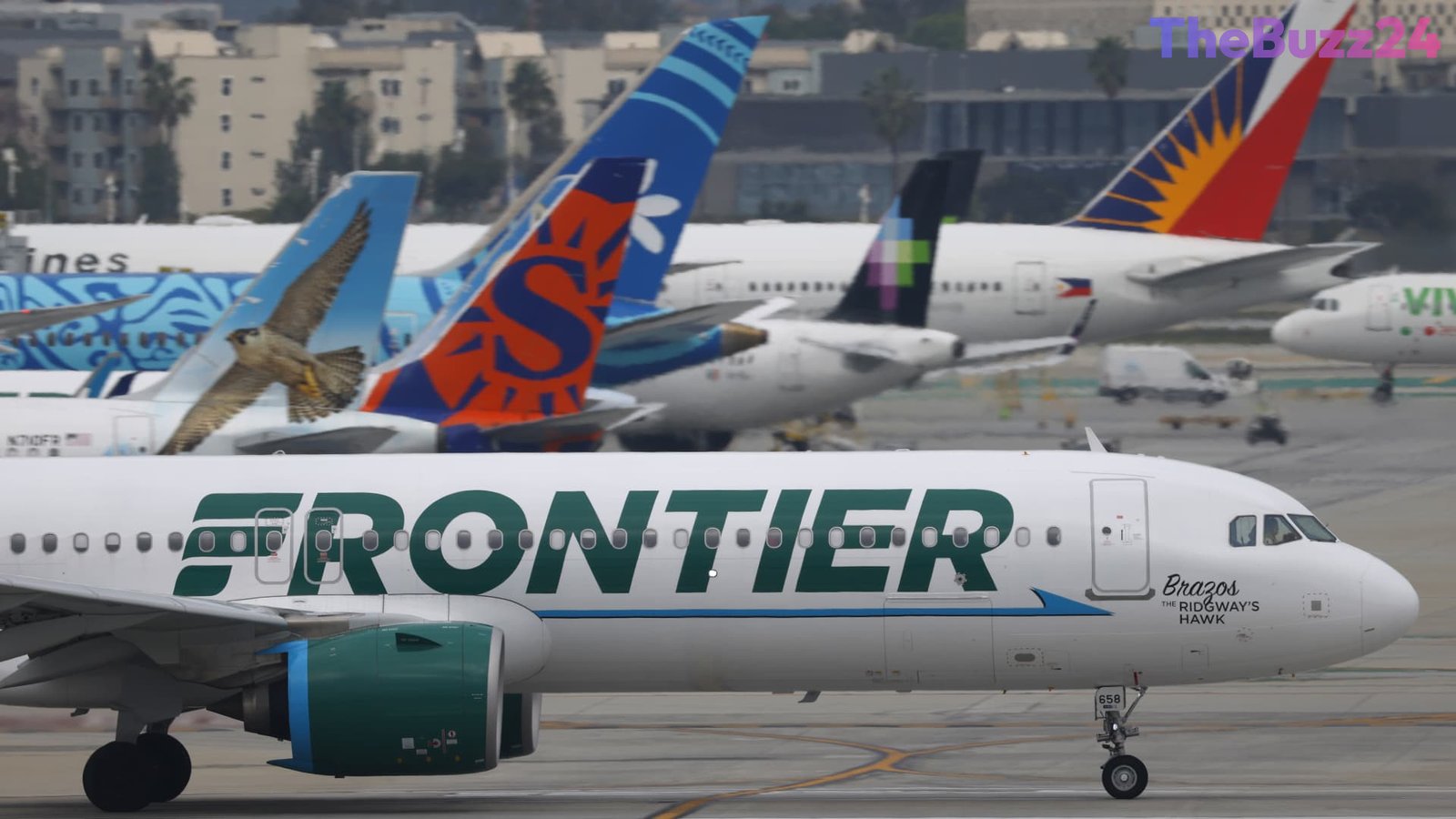
Frontier Airlines Surges Fares by 71% Amid Soaring Fuel Costs and Strong Demand
Frontier Airlines experienced a dramatic 71% surge in average airfares during the third quarter, driven by an urgent need to offset skyrocketing jet fuel expenses. The prominent low-cost carrier reported that average fare revenue reached $67.82 per passenger, a significant leap from the $39.74 recorded during the same period last year. When factoring in additional fees for checked bags and carry-ons, total revenue per passenger climbed by 30% to $138.22.
Despite the noticeable price hikes, consumer demand remained remarkably resilient. The airline welcomed over 9.8 million passengers during the quarter, representing an 18% increase and an addition of approximately 1.5 million travelers compared to the previous year. This steady booking momentum mirrors broader trends across the aviation industry, where major carriers have observed that travelers continue to purchase tickets despite elevated ticket prices.
However, the steep rise in operational expenses ultimately weighed on the airline’s bottom line. Frontier’s quarterly losses widened to $104 million, up from $77 million a year prior, primarily due to an 82% explosion in fuel costs that pushed its fuel bill to $425 million. Looking ahead, the carrier struck an optimistic tone by forecasting a potential return to profitability in the fourth quarter, projecting an adjusted financial outcome ranging from a modest loss of 15 cents per share to an adjusted profit of up to 5 cents per share.
Key Takeaways
- Frontier Airlines increased average third-quarter airfares by 71% to counter skyrocketing jet fuel expenses.
- Despite higher ticket prices, passenger volume grew by 18% to over 9.8 million travelers, demonstrating strong consumer demand.
- The airline posted a wider net loss of $104 million for the quarter due to an 82% surge in fuel costs, but issued an optimistic profit forecast for the fourth quarter.
Editor’s Analysis & Impact
The financial trajectory of Frontier Airlines highlights the delicate balancing act budget carriers must perform in an inflationary, high-cost energy environment. While top-line metrics indicate that consumer appetite for travel remains robust despite macroeconomic pressures, the vulnerability to external cost shocks—specifically jet fuel—undermines profitability. Frontier’s ability to pass on significant fare increases without crushing passenger volume is a positive indicator of pricing power. As the carrier positions itself for potential profitability in the upcoming quarter, its strategic focus on ancillary revenue and capacity management will be critical. The broader industry takeaway is that while volume remains strong, managing supply chain and energy inputs will ultimately dictate long-term viability for discount carriers.
Frequently Asked Questions
Q: Why did Frontier Airlines increase its airfares?
A: Frontier increased its average airfares by 71% to offset a dramatic surge in jet fuel prices, which saw the airline's fuel bill jump by 82% to $425 million.
Q: Did higher prices discourage customers from flying with Frontier?
A: No, customer demand remained strong despite the price hikes. Frontier's passenger count rose by 18% to over 9.8 million people during the third quarter.
Q: What is Frontier's financial outlook for the next quarter?
A: Frontier forecasted a potential return to adjusted profitability in the fourth quarter, estimating results between an adjusted loss of 15 cents per share and an adjusted earnings of 5 cents per share.
AI Disclosure: This article is based on verified data and official reports. Our Team and AI have cross-referenced every financial detail with primary sources to ensure total accuracy.
More from this Category