Federal Reserve Holds Interest Rates Steady Amid Inflationary Pressures
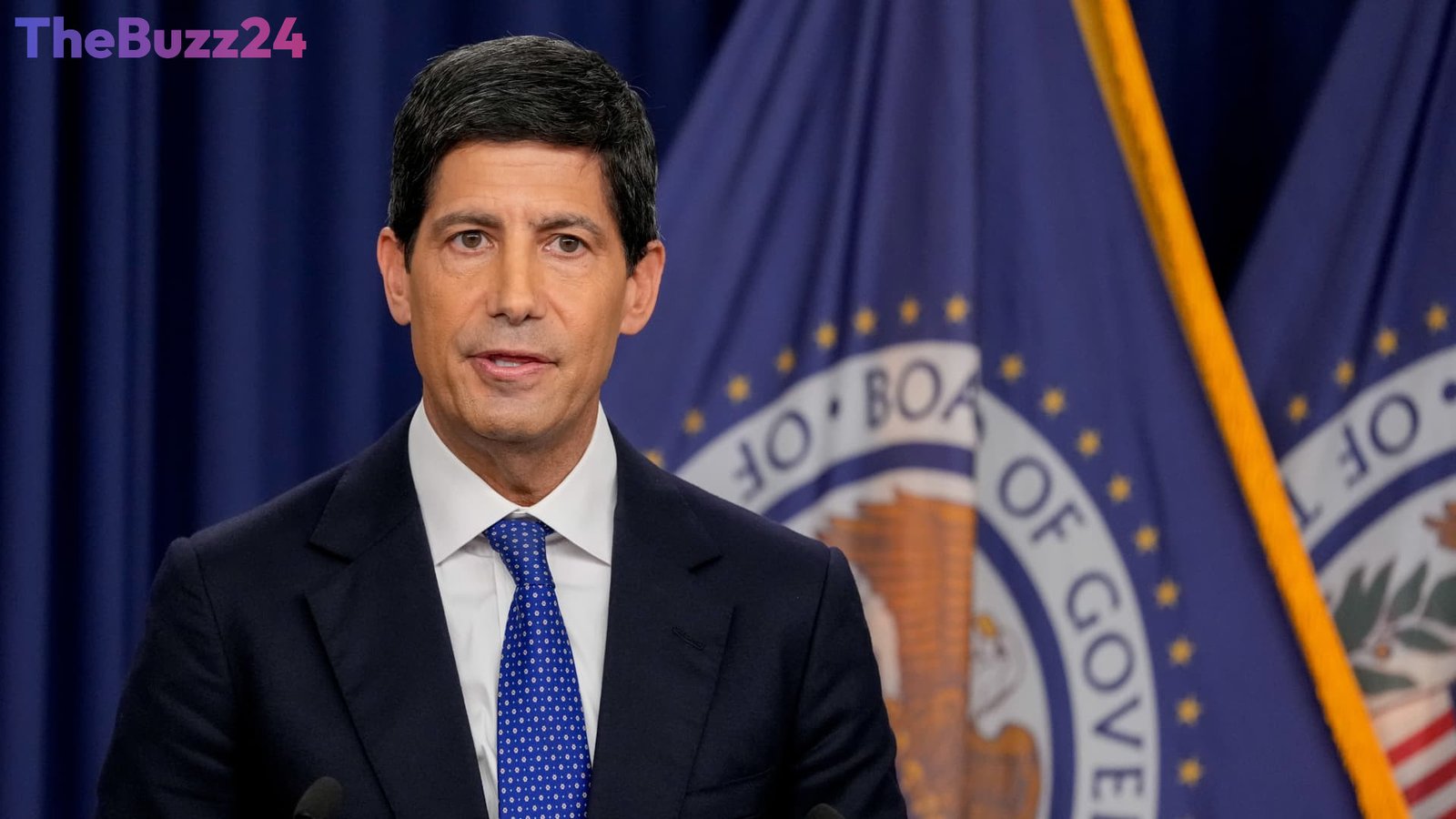
The Federal Reserve concluded its latest policy meeting by opting to maintain its benchmark interest rate, a decision largely anticipated by financial markets. With inflation indicators showing persistent upward trends, the focus has now shifted to Federal Reserve Chair Kevin Warsh’s commentary for insights into the future direction of monetary policy.
Market participants had priced in a low probability of an interest rate hike, expecting the Fed’s key rate to remain within the 3.75% to 4% range. This anticipated pause comes despite inflation figures tracking above the central bank’s target. The absence of updated economic projections or a “dot plot” from this meeting means that guidance on the Fed’s outlook and potential future policy adjustments will likely come directly from Warsh’s post-meeting press conference.
While the decision to hold rates steady was widely expected, some regional Federal Reserve presidents, including those from Cleveland, Dallas, and Minneapolis, have previously voiced dissent on similar occasions, suggesting potential for differing views within the committee. The timing of this decision, just days before a significant midterm election, has also drawn attention, though Fed officials maintain that political considerations do not influence their policy decisions.
Recent economic data has highlighted intensifying inflationary pressures. September’s Consumer Price Index (CPI) revealed an annual inflation rate of 3.7%, largely driven by increased energy costs, marking one of the longest periods of readings above 2%. Similarly, the Producer Price Index (PPI) saw its steepest year-over-year increase since 2022, reaching 6.3%. While the Fed’s preferred inflation gauge, the Personal Consumption Expenditures (PCE) price index, was not yet released for September, preliminary estimates suggest it is also on an upward trajectory.
Key Takeaways
- The Federal Reserve has decided to keep interest rates unchanged at its latest meeting.
- Inflationary pressures are mounting, with recent data showing increases in both consumer and producer prices.
- Investor attention is now focused on Fed Chair Kevin Warsh's statements for guidance on future monetary policy.
Editor’s Analysis & Impact
The Federal Reserve’s decision to hold interest rates steady, despite rising inflation, signals a complex balancing act. Policymakers are likely weighing the need to curb price increases against potential economic slowdowns and the proximity of critical elections. The market’s anticipation of a hold suggests a degree of confidence in the Fed’s current strategy, but the persistent inflation data presents a significant challenge. Future communications from Fed leadership will be crucial in shaping market expectations and navigating the path forward, particularly regarding the Fed’s commitment to its inflation target and the potential for further rate adjustments later in the year.
Frequently Asked Questions
Q: Why did the Federal Reserve decide not to raise interest rates?
A: While inflation is above the Federal Reserve's target, the decision to hold rates steady is likely a strategic choice influenced by various economic factors and market expectations. The Fed may be assessing the impact of previous hikes, monitoring economic growth, and considering the timing relative to other economic events.
Q: What is the significance of the Fed's "dot plot"?
A: The "dot plot" is a chart published by the Federal Reserve that shows individual policymakers' projections for the future path of the federal funds rate. It provides insight into the committee's expectations for interest rate changes over the coming years.
Q: How does inflation affect interest rates?
A: Generally, when inflation rises, central banks like the Federal Reserve tend to increase interest rates. Higher interest rates make borrowing more expensive, which can slow down spending and investment, thereby helping to cool down an overheating economy and reduce inflationary pressures.
AI Disclosure: This article is based on verified data and official reports. Our Team and AI have cross-referenced every financial detail with primary sources to ensure total accuracy.
More from this Category