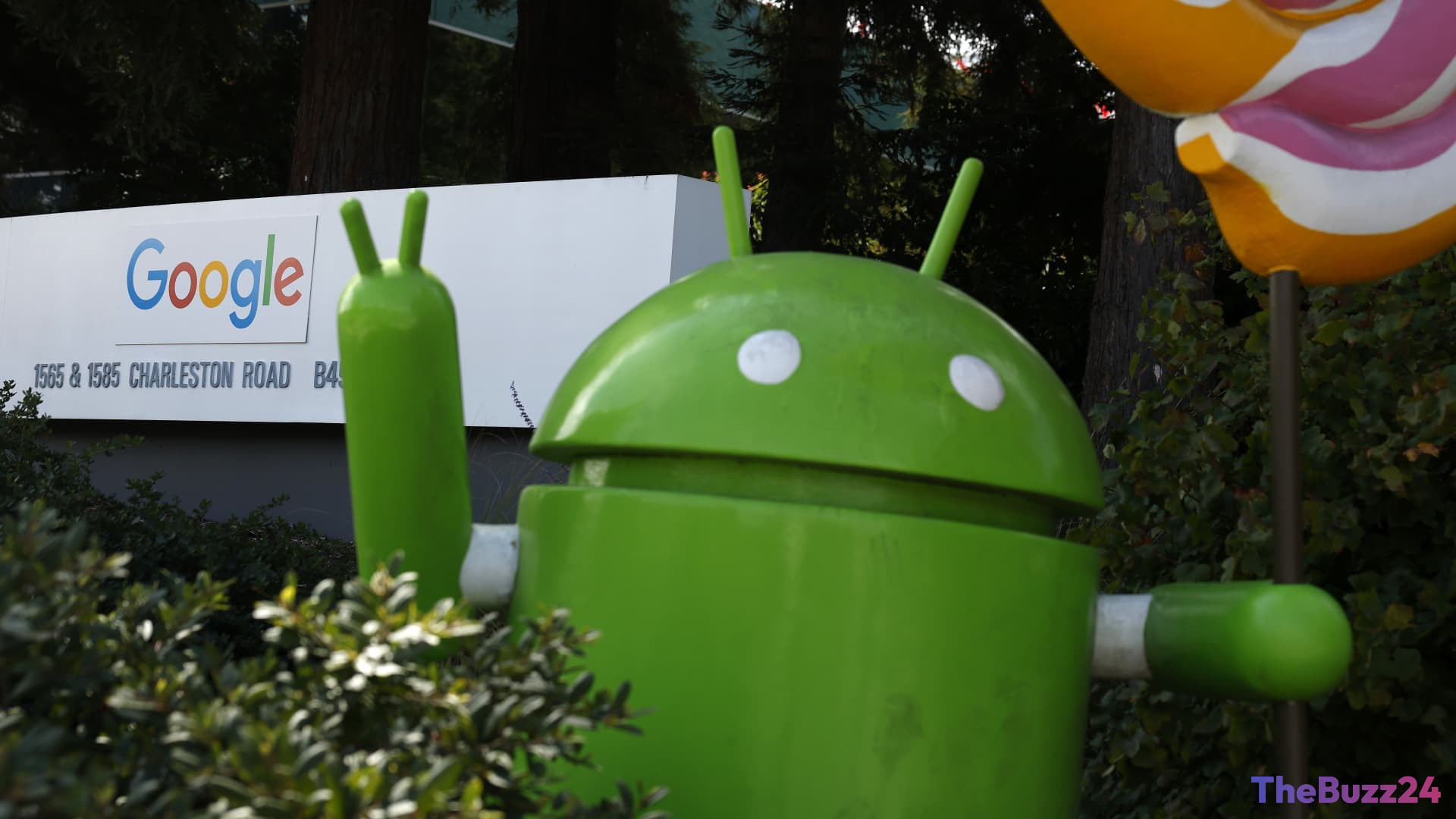
Google Reimagines Android as a Proactive Intelligence System Powered by Gemini
Google is aggressively integrating its Gemini artificial intelligence models into the core of the Android ecosystem, signaling a fundamental shift in how users interact with their mobile devices. By embedding AI directly into the operating system, the company is moving beyond simple chatbot functionality to create a pervasive ‘intelligence layer’ that spans smartphones, web browsers, laptops, and automotive systems. This strategic evolution aims to transform Android from a traditional operating system into a proactive agent capable of executing complex, multi-step tasks across various applications.
The updated platform leverages Gemini’s advanced ability to interpret on-screen context, allowing it to perform actions such as managing reservations, organizing shopping lists, and coordinating data between disparate services like email and e-commerce platforms. Despite these autonomous capabilities, Google has emphasized that human oversight remains a central pillar of the design, ensuring that users maintain final approval over transactions and significant actions performed by the AI. This approach marks a departure from passive assistants toward a more dynamic, agentic model of computing.
Beyond mobile handsets, the integration extends to a wide array of hardware, including smartwatches, smart glasses, and over 250 million vehicles via an upgraded Android Auto interface. The rollout is scheduled to begin this summer, initially targeting premium devices like the Google Pixel and Samsung Galaxy series, before expanding to a broader range of hardware later in the year. This initiative is widely viewed as a critical move for Alphabet to solidify its position against competitors like OpenAI and Anthropic, while simultaneously setting the stage for a high-stakes battle for AI dominance in the consumer technology market.
Key Takeaways
- Google is transitioning Android from a standard operating system into an 'intelligence system' deeply integrated with Gemini AI.
- The new AI features allow for agentic tasks, such as cross-app automation and context-aware assistance, while maintaining human-in-the-loop controls.
- The rollout begins this summer on flagship Pixel and Samsung devices, with plans to scale across cars, wearables, and laptops throughout the year.
Editor’s Analysis & Impact
The shift toward ‘agentic’ AI represents the next frontier in the smartphone wars. By embedding Gemini at the OS level, Google is attempting to create a ‘moat’ that makes its ecosystem indispensable, effectively reducing the friction of daily digital tasks. This strategy is a direct response to the rapid advancements by competitors and serves as a blueprint for how tech giants will monetize AI in the coming decade. Investors are clearly optimistic, as evidenced by Alphabet’s recent stock performance, which reflects confidence in the company’s ability to successfully transition its massive user base into an AI-first environment. However, the success of this transition will depend heavily on user trust regarding data privacy and the reliability of AI-driven automation in real-world scenarios.
Frequently Asked Questions
Q: When will these new Gemini features be available on Android?
A: The initial rollout is scheduled for this summer, starting with the latest Google Pixel and Samsung Galaxy devices, with broader availability across other Android hardware expected later in the year.
Q: Does the AI perform tasks automatically without user permission?
A: No, Google has stated that the system is designed with a 'human in the loop' approach, meaning users must approve transactions and significant actions taken by the AI on their behalf.
AI Disclosure: This article is based on verified data and official reports. Our Team and AI have cross-referenced every financial detail with primary sources to ensure total accuracy.
More from this Category