Android’s Latest Update Introduces Motion Sickness Relief and Advanced AI Accessibility Tools
Google has unveiled a suite of five new updates for the Android operating system, aiming to significantly boost accessibility, personalization, and daily utility. The rollout introduces features designed to mitigate motion sickness for passengers in moving vehicles, assist visually impaired users in navigating their environments, and leverage artificial intelligence to help users keep track of personal belongings.
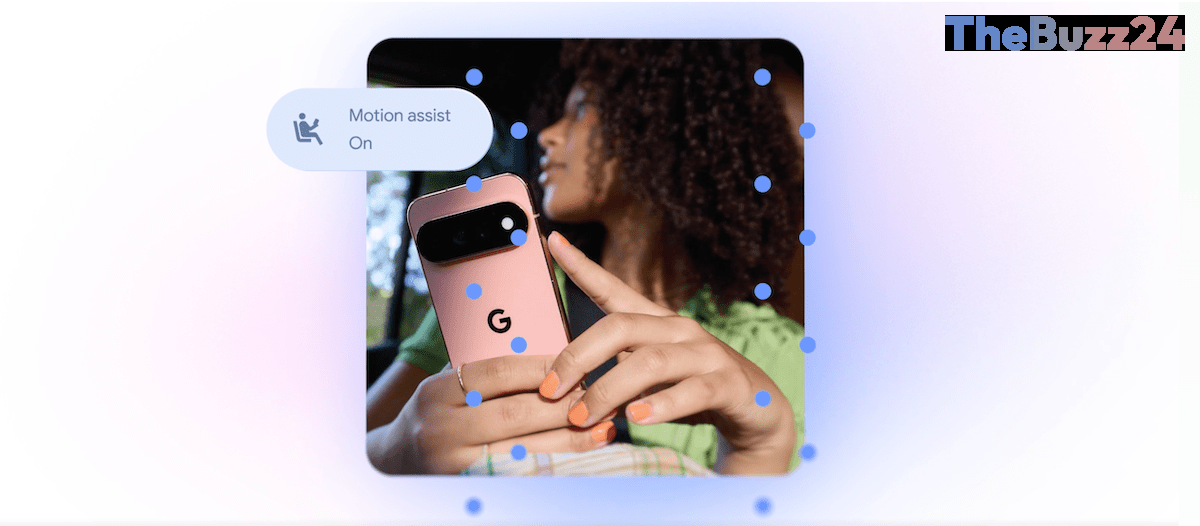
Among the most notable additions is “Motion Assist,” a feature tailored for individuals who experience nausea while using their phones in transit. Available for Android 17, this tool overlays a dynamic bubble on the screen that shifts in response to the vehicle’s physical movement, bridging the sensory gap between visual input and physical motion. Users can customize the bubble’s shape, color, and transparency, or set the feature to activate automatically.
For accessibility, the new “Guided Vision” feature utilizes the device’s camera alongside Google’s Gemini AI to assist blind and low-vision users. Operating on Android 9 and newer in regions where Gemini is supported, Guided Vision can read small text, identify household objects, and provide real-time voice prompts to help users position their cameras correctly.
The integration of Gemini AI extends further with a new “remembered items” capability within the Find Hub. Users can verbally log the location of important items, such as passports or keys, and even attach photos for easier retrieval later. Additionally, Google is enhancing its messaging ecosystem by integrating Google Keep directly into Google Messages, allowing users to seamlessly share and collaborate on lists and notes within active chat threads, alongside new chat customization options.
Key Takeaways
- Google has launched five new Android updates focusing on accessibility, personalization, and AI-driven utility.
- The 'Motion Assist' feature on Android 17 uses a dynamic screen overlay to help reduce motion sickness for users in moving vehicles.
- The 'Guided Vision' tool leverages Gemini AI to assist visually impaired users, while a new Find Hub feature helps users track misplaced items.
Editor’s Analysis & Impact
Google’s latest Android updates highlight a growing industry trend where on-device AI is transitioned from a novelty into a practical accessibility tool. By integrating Gemini AI directly into daily workflows—such as assisting visually impaired users via Guided Vision and managing personal organization in Find Hub—Google is positioning its ecosystem as highly intuitive and indispensable. While features like Motion Assist and chat customization play catch-up to Apple’s iOS capabilities, Google’s execution leverages its superior machine learning infrastructure to offer a more context-aware user experience. This update not only strengthens Android’s competitive stance against Apple but also sets a new benchmark for how tech giants must address digital accessibility and physical well-being in mobile design.
Frequently Asked Questions
Q: What is Android's Motion Assist feature and how does it work?
A: Motion Assist is a feature designed to reduce motion sickness for users looking at their phones in moving vehicles. It places a customizable bubble overlay on the screen that moves in sync with the vehicle's motion, helping align visual cues with physical sensations. It is available for devices running Android 17.
Q: How does Guided Vision assist visually impaired users?
A: Guided Vision combines the phone's camera with Gemini AI to help blind and low-vision users read small print, navigate dark environments, and identify objects. It also provides real-time voice guidance to help users position their camera correctly.
Q: Can Gemini help me find lost items with this update?
A: Yes, the new 'remembered items' feature in Find Hub allows users to tell Gemini where they have stored important items (like a passport in a drawer). Users can also attach a photo to the entry, and Gemini will store this information for quick retrieval later.
AI Disclosure: This article is based on verified data and official reports. Our Team and AI have cross-referenced every financial detail with primary sources to ensure total accuracy.
More from this Category