Angolan Court Convicts Two Russian Nationals on Terrorism and Espionage Charges
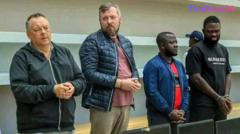
A court in Luanda, Angola, has delivered a significant verdict in a high-profile trial, sentencing two Russian nationals to prison for their roles in activities deemed detrimental to national security. Igor Ratchin, a political consultant, received an 11-year sentence, while translator Lev Lakshtanov was handed an eight-year term. Both men were found guilty of charges including terrorism, espionage, criminal association, and the illegal retention of currency.
The defendants were arrested in August 2025 following allegations that they orchestrated a campaign of disinformation and incited anti-government protests. Prosecutors argued that the pair operated under the umbrella of ‘Africa Politology,’ a network purportedly linked to the defunct Wagner mercenary group, with the goal of influencing Angola’s upcoming presidential elections and promoting anti-Western narratives. While the prosecution claimed the men funneled over $24,000 to local journalists and experts to manufacture political unrest, the defendants maintained their innocence, asserting they were in the country to establish a Russian cultural center.
Two Angolan nationals were also implicated in the proceedings. Sports journalist Amor Carlos Tomé was given a two-year suspended sentence, while political activist Francisco Oliveira was acquitted of all charges. The trial, which began in March, faced scrutiny over procedural transparency, particularly when prosecutors declined to read the indictment aloud in court. Defense attorneys consistently challenged the evidence, characterizing the prosecution’s case as reliant on assumptions rather than concrete proof.
Despite the defense’s efforts to frame the defendants’ activities as legitimate business and academic pursuits, the court ultimately sided with the state’s narrative regarding foreign interference. The prosecution has already filed an appeal regarding the sentences, and the legal battle continues as the international community watches how this verdict impacts diplomatic relations and the broader landscape of foreign political influence in Africa.
Key Takeaways
- Two Russian nationals were sentenced to 11 and 8 years in prison by an Angolan court for terrorism and espionage.
- The defendants were accused of operating a political influence network linked to the Wagner group to destabilize the country ahead of elections.
- The defense argued the charges were based on assumptions, while the prosecution alleged the defendants paid local actors to incite anti-government protests.
Editor’s Analysis & Impact
The conviction of these Russian nationals highlights the intensifying geopolitical struggle for influence across the African continent. By linking the defendants to the remnants of the Wagner Group, the Angolan government is signaling a firm stance against foreign-backed political interference. This case serves as a bellwether for how African nations are increasingly scrutinizing the activities of foreign political consultants and private military-linked entities. The broader implication is a potential cooling of diplomatic ties between Luanda and Moscow, as well as a warning to other foreign actors operating in the region. Moving forward, we can expect more African governments to implement stricter oversight on foreign-funded political organizations and media operations, as the battle for narrative control becomes as critical as traditional diplomatic engagement.
Frequently Asked Questions
Q: What were the primary charges against the Russian nationals?
A: The defendants were convicted of terrorism, espionage, criminal association, and the illegal retention of currency.
Q: Did the defendants admit to the charges?
A: No, both defendants denied the charges, claiming they were in Angola to establish a Russian cultural center and that their meetings with political figures were legitimate.
AI Disclosure: This article is based on verified data and official reports. Our Team and AI have cross-referenced every financial detail with primary sources to ensure total accuracy.
More from this Category