Asia-Pacific Markets Waver Amid Geopolitical Tensions and Stalled Iran Negotiations
Asia-Pacific stock markets experienced a mixed trading session on Tuesday as investors grappled with heightened geopolitical uncertainty surrounding the future of U.S.-Iran diplomatic relations. The cautious sentiment in the region contrasted with a record-breaking performance on Wall Street, where major indices reached new all-time highs fueled by optimism in the technology sector.
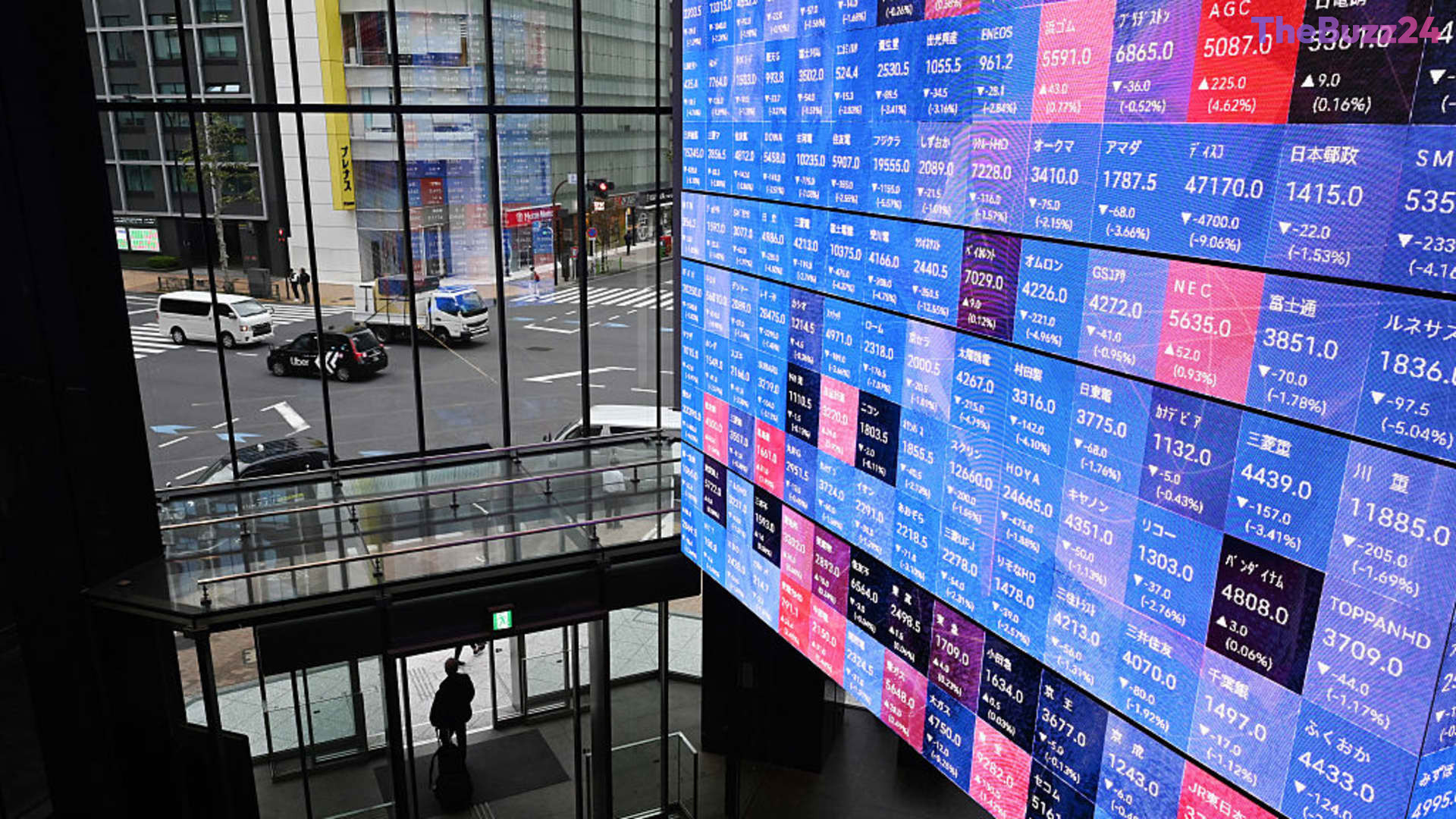
In Japan, the Nikkei 225 and the Topix both saw modest declines, closing down 0.3% and 0.42% respectively. South Korea’s Kospi index also trended downward, slipping 0.15%, while the Kosdaq experienced a more significant drop of 2.29%. Meanwhile, Australian markets remained largely stagnant, with the S&P/ASX 200 ending the day flat. Conversely, Chinese markets showed resilience, as Hong Kong’s Hang Seng index surged 2.41% and the CSI 300 climbed 1.45% by the close of trade.
The market volatility follows recent comments from U.S. President Donald Trump regarding the status of peace negotiations with Iran. Addressing reports that Iranian officials might abandon talks and potentially disrupt the Strait of Hormuz in response to regional military escalations, Trump expressed indifference toward the continuation of the dialogue. He characterized the long-standing negotiations as increasingly tedious, signaling a potential shift in U.S. diplomatic strategy.
Despite the regional hesitation, global markets remain buoyed by strong momentum in the tech sector. Following a record-setting session in the U.S. where the S&P 500, Nasdaq Composite, and Dow Jones Industrial Average all hit new peaks, investors are closely monitoring how geopolitical friction might influence future oil prices and broader economic stability. As of Tuesday, U.S. stock futures indicated a slight pullback, suggesting that traders are maintaining a defensive posture while awaiting further developments in the Middle East.
Key Takeaways
- Asia-Pacific markets showed mixed results, with Japan and South Korea declining while Hong Kong and mainland China saw gains.
- Geopolitical uncertainty regarding U.S.-Iran peace talks has created a cautious environment for regional investors.
- Wall Street recently hit record highs, driven by tech sector growth, even as oil prices and international tensions remain in focus.
Editor’s Analysis & Impact
The current market environment reflects a classic tug-of-war between strong corporate fundamentals—particularly in the technology sector—and the unpredictable nature of geopolitical risk. While the U.S. equity markets have demonstrated remarkable resilience, reaching record highs, the hesitation in Asia-Pacific markets underscores a growing anxiety over potential supply chain disruptions, specifically regarding the Strait of Hormuz. President Trump’s dismissive stance on the Iran negotiations introduces a new variable of volatility; if diplomatic channels fully collapse, the resulting uncertainty could trigger a flight to safety, impacting oil prices and global inflation expectations. Investors should expect continued short-term fluctuations as the market attempts to price in the risk of a prolonged regional conflict against the backdrop of a robust, tech-led economic expansion.
Frequently Asked Questions
Q: Why are Asia-Pacific markets reacting to U.S.-Iran negotiations?
A: Investors are concerned that a breakdown in diplomatic talks could lead to regional instability, potentially impacting oil supply routes like the Strait of Hormuz, which would have global economic consequences.
Q: What is driving the recent record highs on Wall Street?
A: The record highs are primarily driven by optimism in the technology sector, highlighted by strong performance from companies like Nvidia following new product launches.
AI Disclosure: This article is based on verified data and official reports. Our Team and AI have cross-referenced every financial detail with primary sources to ensure total accuracy.
More from this Category