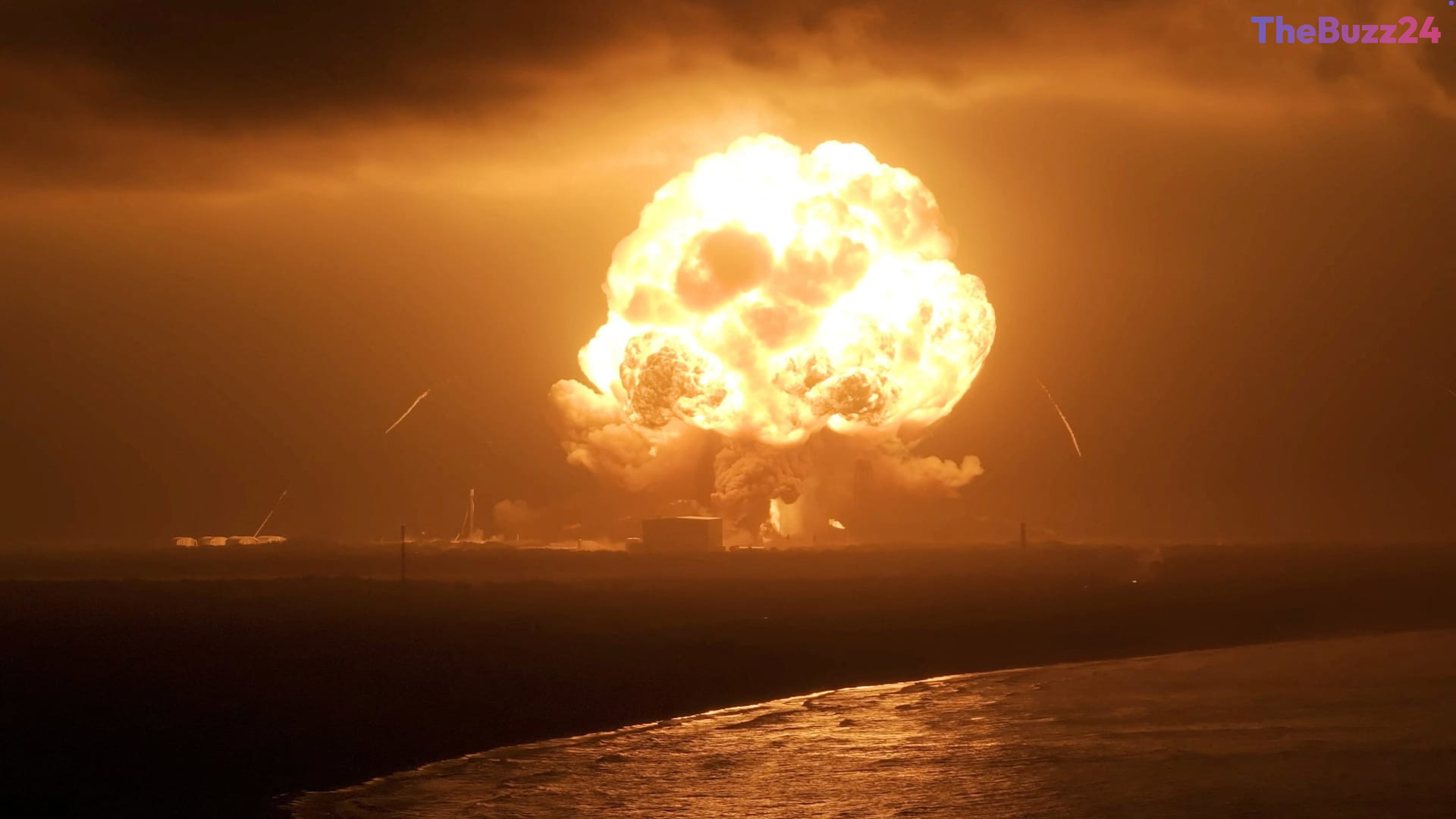
Blue Origin Faces Multi-Year Recovery Following New Glenn Launchpad Explosion
Blue Origin is facing a significant setback after a catastrophic explosion during a hot-fire test of its New Glenn rocket last Thursday. The incident, which occurred at a Space Force facility in Cape Canaveral, Florida, resulted in substantial damage to the company’s primary launch infrastructure. While all personnel were reported safe, the recovery process is expected to be extensive, with estimates suggesting the facility may not be fully operational until 2028.
NASA, which maintains several contracts with Blue Origin for the Artemis lunar program, is closely monitoring the situation. The agency has emphasized the need for a thorough root cause analysis to understand the failure. Because Blue Origin currently relies on this single launchpad for its New Glenn operations, the damage creates a bottleneck for both government missions and commercial commitments. While the company is developing a second site at Vandenberg Space Force Base in California, that facility is not yet ready to support active launches.
The explosion has immediate ripple effects for other industry players, most notably Amazon. The company was scheduled to utilize New Glenn to deploy satellites for its Leo internet constellation, a project facing strict Federal Communications Commission deployment deadlines. Furthermore, the incident highlights the fragility of the heavy-lift launch market, as the temporary loss of this capability leaves SpaceX as the primary provider for high-mass payloads in the interim. Blue Origin leadership has pledged to rebuild, but the timeline underscores the immense technical and logistical challenges inherent in modern space flight.
Key Takeaways
- Blue Origin's primary New Glenn launchpad sustained severe damage during a hot-fire test, potentially delaying operations until 2028.
- The incident complicates NASA's Artemis program and threatens Amazon's satellite deployment deadlines for its Leo internet project.
- The loss of the launchpad leaves a significant gap in heavy-lift capacity, increasing reliance on competitors like SpaceX in the short term.
Editor’s Analysis & Impact
The explosion of the New Glenn rocket represents a critical inflection point for the commercial space sector. By losing its only operational launchpad for this vehicle, Blue Origin faces a ‘bottleneck risk’ that threatens its credibility as a reliable partner for NASA and commercial clients. From a market perspective, this incident inadvertently strengthens the dominance of SpaceX, which currently holds a near-monopoly on heavy-lift capabilities. The broader implication is a potential delay in the competitive landscape of satellite internet, as Amazon’s Project Kuiper relies heavily on the successful deployment of its constellation. Moving forward, the industry will likely see increased scrutiny regarding launch safety protocols and a greater emphasis on redundant infrastructure. For Blue Origin, the next few years will be a test of financial resilience and engineering agility as they attempt to fast-track their California launch site while simultaneously investigating the Florida failure.
Frequently Asked Questions
Q: Why is the damage to the Blue Origin launchpad considered so severe?
A: The damage is critical because Blue Origin currently only has one operational launchpad for the New Glenn rocket. Without this facility, the company cannot conduct scheduled launches, creating a significant delay for its clients.
Q: How does this explosion affect Amazon's satellite plans?
A: Amazon relies on Blue Origin to launch satellites for its Leo internet constellation. With the launchpad out of commission, Amazon faces challenges in meeting the Federal Communications Commission's deadlines for deploying its satellite network.
AI Disclosure: This article is based on verified data and official reports. Our Team and AI have cross-referenced every financial detail with primary sources to ensure total accuracy.
More from this Category