Audemars Piguet Maintains Market Stability Following Swatch Collaboration
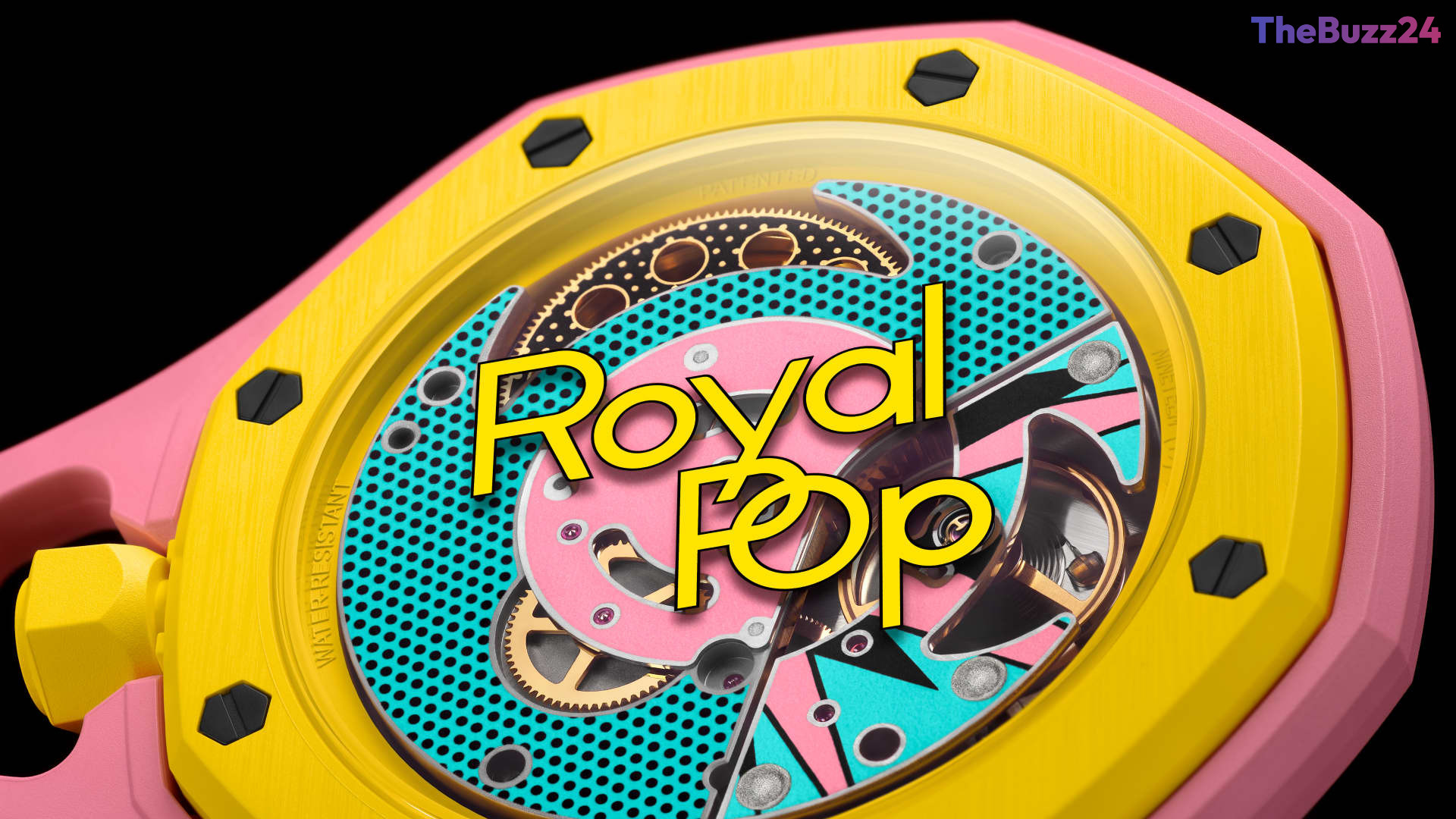
The luxury watch industry recently watched with bated breath as Audemars Piguet unveiled a collaboration with Swatch, a move that sparked intense debate among horology enthusiasts. Critics and high-profile collectors expressed concerns that the partnership, which introduced the brightly colored ‘Royal Pop’ collection, might dilute the prestige of a brand traditionally considered part of the ‘Holy Trinity’ of watchmaking. Fears of brand devaluation were rampant, with some collectors even threatening to divest from the brand entirely.
Despite the initial backlash, data indicates that the secondary market for Audemars Piguet timepieces has remained remarkably resilient. Market analysis shows that the launch of the Royal Pop collection has had no discernible negative impact on the resale value of core models. Experts suggest that the collaboration is a strategic long-term play designed to capture the attention of a younger demographic, rather than an attempt to replace the high-end craftsmanship of the iconic Royal Oak series.
While the brand continues to navigate a broader luxury watch market that has seen significant corrections since its 2022 peak, Audemars Piguet is focusing on generational growth. By introducing a more accessible entry point, the company is effectively building brand awareness among future collectors. Although the brand faces challenges regarding inventory aging and a slower recovery compared to some of its peers, the cultural buzz generated by the collaboration is viewed by many as a calculated investment in long-term relevance.
Key Takeaways
- Audemars Piguet's secondary market prices have remained stable despite initial fears that the Swatch collaboration would damage brand equity.
- The 'Royal Pop' collection is a strategic initiative aimed at attracting younger consumers and women to the brand, rather than diluting the core Royal Oak experience.
- While the luxury watch market is still recovering from a 2022 downturn, Audemars Piguet is prioritizing long-term cultural relevance over short-term market fluctuations.
Editor’s Analysis & Impact
The Audemars Piguet and Swatch collaboration serves as a masterclass in balancing heritage with modern marketing. By creating a distinct, non-wristwatch product line, Audemars Piguet successfully generated massive social media engagement without cannibalizing its core luxury segment. The industry impact is clear: legacy brands are increasingly willing to risk short-term ‘horological credibility’ to secure ‘cultural credibility’ among Gen Z and Millennial consumers. While the secondary market for luxury watches remains volatile, this move suggests that top-tier manufacturers are shifting their focus toward long-term brand equity and customer acquisition pipelines. The future outlook for the brand remains positive, provided they can successfully transition these younger, entry-level fans into the high-end Royal Oak market as their purchasing power grows over the coming decades.
Frequently Asked Questions
Q: Did the Swatch collaboration cause a drop in Audemars Piguet's resale prices?
A: No, market data indicates that secondary market prices for Audemars Piguet watches have remained stable following the launch of the collaboration.
Q: Why did Audemars Piguet partner with Swatch?
A: The collaboration is part of a long-term strategy to increase brand visibility and appeal to a younger generation of collectors who may eventually transition into purchasing the brand's high-end, core models.
AI Disclosure: This article is based on verified data and official reports. Our Team and AI have cross-referenced every financial detail with primary sources to ensure total accuracy.
More from this Category