Nvidia Challenges PC Market Dominance with New AI-Focused ‘RTX Spark’ Chip
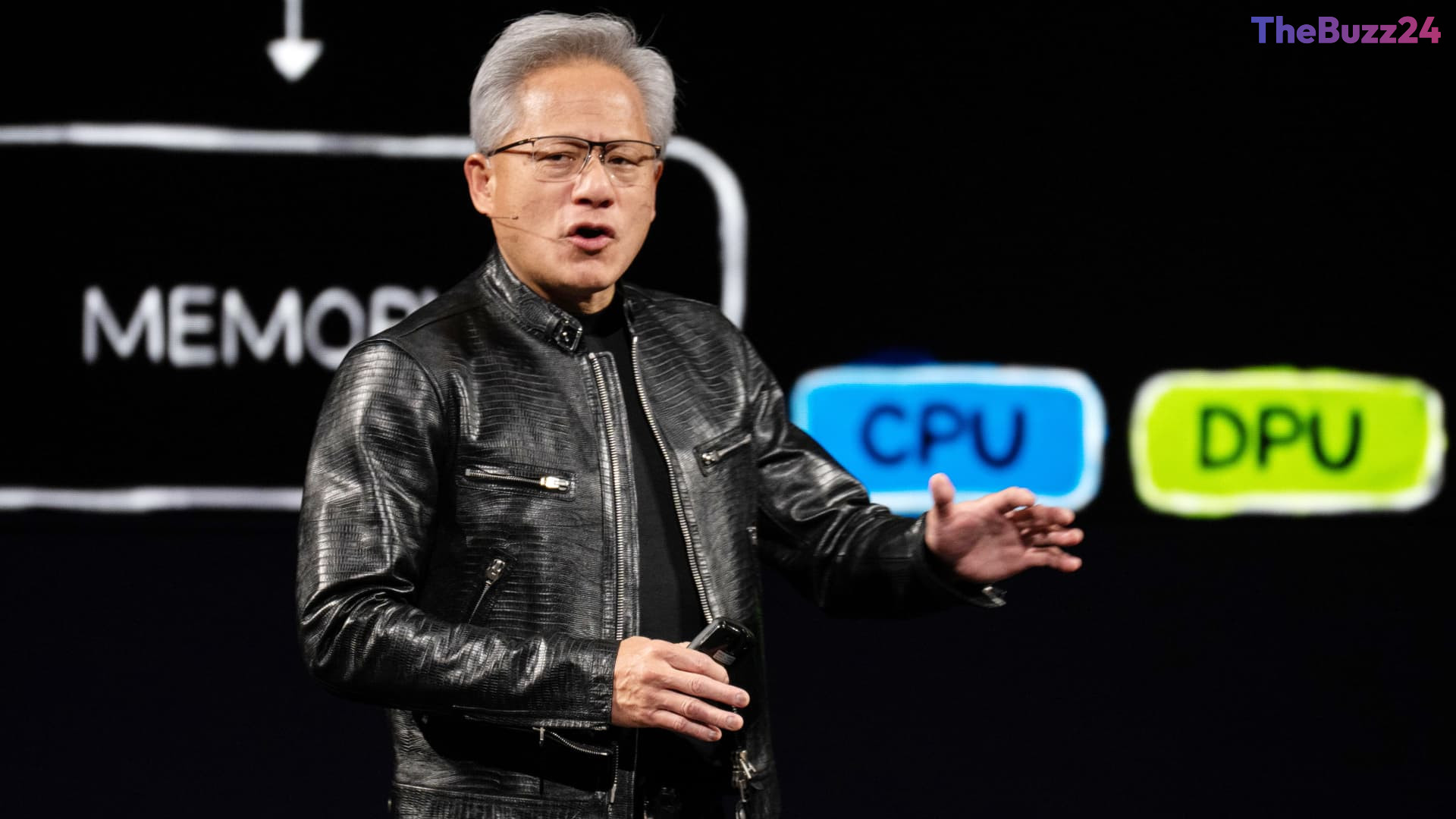
Nvidia has officially signaled its intent to disrupt the personal computer market, announcing a strategic move to develop system-on-chips (SoCs) designed to power the next generation of AI-capable PCs. During a keynote address at the Computex conference, CEO Jensen Huang unveiled the ‘RTX Spark’—also known as the N1X—a collaborative effort with MediaTek. This new hardware aims to integrate Nvidia’s advanced Blackwell GPU architecture with a high-performance CPU, utilizing unified memory to eliminate traditional bottlenecks that have previously hindered local AI processing.
The move represents a significant shift for Nvidia, which has historically focused its massive growth on data center infrastructure. By pushing into the ‘edge’—where devices run complex AI models locally rather than relying on cloud connectivity—the company is positioning itself to capture a larger share of the total AI stack. The new chips are expected to debut later this year in premium Windows-based devices from major manufacturers, including Dell, HP, ASUS, Lenovo, and MSI.
This entry into the PC space has sent ripples through the industry, putting pressure on established players like Intel, AMD, and Qualcomm. While Nvidia currently dominates the data center market, the PC sector remains a highly competitive environment long controlled by x86 architecture. However, the industry is seeing a broader shift toward Arm-based processors, a trend accelerated by Apple’s successful transition to its own silicon. Nvidia’s latest move is viewed as a direct attempt to provide the Windows ecosystem with a high-performance alternative capable of rivaling the efficiency and power of Apple’s MacBook lineup.
Despite the excitement, analysts note that the PC market represents a relatively small portion of Nvidia’s overall revenue compared to its massive data center business. The success of the RTX Spark will depend on its ability to drive consumer adoption of ‘agentic AI,’ where autonomous software agents run continuously on local hardware. As developers focus on creating background agents that operate without cloud-based ‘meter anxiety,’ Nvidia hopes its hardware will become the standard for the next era of personal computing.
Key Takeaways
- Nvidia is entering the PC chip market with the 'RTX Spark' SoC, a joint development with MediaTek designed to run advanced AI locally.
- The move signals a strategic pivot from data-center-only dominance toward 'edge' computing, aiming to challenge the long-standing x86 duopoly of Intel and AMD.
- The new chips will feature unified memory architecture, specifically optimized to run autonomous AI agents on Windows laptops without relying on cloud processing.
Editor’s Analysis & Impact
Nvidia’s expansion into the PC market is a calculated move to secure its position as the foundational layer of the entire AI ecosystem. By moving from the data center to the edge, Nvidia is attempting to commoditize the hardware that runs AI, ensuring that whether a user is in the cloud or on a laptop, they are utilizing Nvidia-powered architecture. This strategy creates a ‘moat’ around their software and hardware ecosystem. While the immediate financial impact on revenue may be modest compared to their data center business, the long-term implication is a potential paradigm shift in PC architecture. If Nvidia succeeds in making local AI agents a standard feature, it could force a massive hardware refresh cycle across the industry, effectively ending the stagnation of the traditional PC market and further marginalizing legacy x86 chipmakers.
Frequently Asked Questions
Q: What is the RTX Spark chip?
A: The RTX Spark (or N1X) is a system-on-chip (SoC) developed by Nvidia and MediaTek that combines a Blackwell GPU and a CPU to enable high-performance AI processing directly on personal computers.
Q: Why is Nvidia moving into the PC market?
A: Nvidia aims to own every layer of the AI stack. By moving to the 'edge,' they want to ensure that AI models and autonomous agents can run locally on devices, reducing reliance on the cloud and expanding their market reach beyond data centers.
AI Disclosure: This article is based on verified data and official reports. Our Team and AI have cross-referenced every financial detail with primary sources to ensure total accuracy.
More from this Category