Before your next trip, take these 7 steps to protect your finances

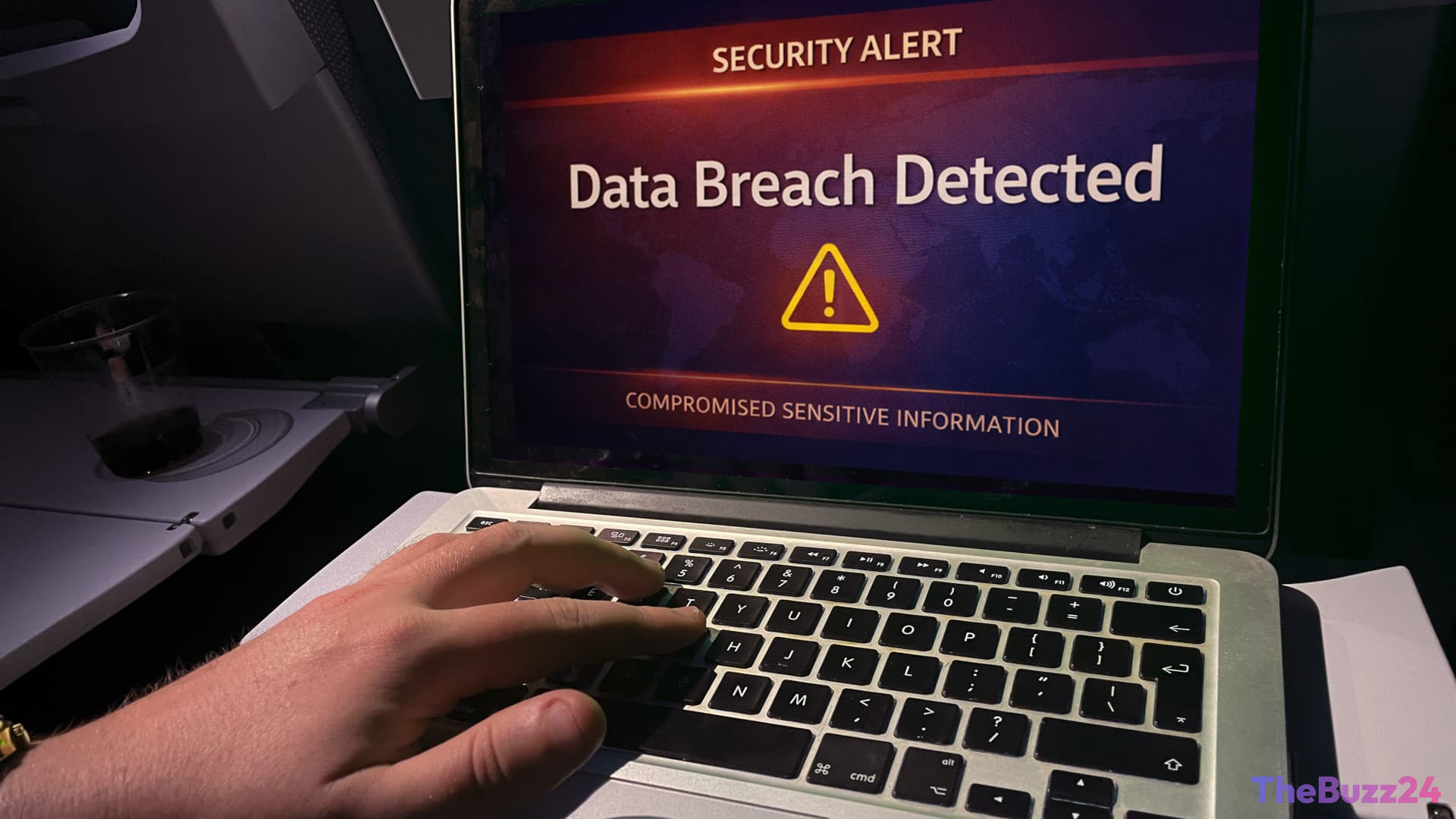
Picture this: it’s the last night of vacation, everyone’s gathered around the dinner table, and when you try to pick up the tab, your card gets declined. Or maybe you’re attempting to send capital to a family member abroad, only for the transfer to stall without explanation. Frustrating as these moments can be, they’re often a sign that your bank’s fraud detection system is working exactly as intended.

senior consultant in the Banking , according to Jennifer White& Payments Intelligence practice at J.D. Power, the issue usually comes down to one thing: your spending behavior suddenly looks different. “When a customer is traveling, the way that they move funds is different than their everyday spending experience,” she tells CNBC Select. That change in pattern is often enough to trigger automated fraud alerts.

So what exactly raises those red flags? Here’s what travelers should know, plus the steps to take before departure to avoid financial disruptions.

Protect your bank account before your next trip

Plan to utilize a VPN on public or hotel Wi-Fi

Consider a travel eSIM

Set up real-time transaction alerts

Enable multi-factor authentication

Know how to lock your card

Leverage credit over debit

Notify your bank about your trip

Offers in this section are from affiliate partners and selected based on a combination of engagement, product relevance, compensation, and consistent availability.

Plans from $10 to $32 per month, billed annually

Protects against identity theft, fraud, spam calls and websites, viruses and malware. Offers three-credit-bureau monitoring, VPN, dark web monitoring, password manager, email aliases and instant credit lock.

On Aura’s site

From $7.50 to $25.00 per month, billed annually on individual plans and $12.50 to $33.33 per month, billed annually on family plans

Up to $1 million in insurance for eligible losses from identity theft

On Identity Guard’s site

How travel changes your financial footprint

When you’re at home, your spending is pretty predictable. You go to the same grocery store, fill up at the same gas station and maybe order from the same few restaurants. Your bank learns those patterns, and travel breaks all of them at once.

“When a consumer travels, they tend to rise either debit card or credit card usage in an area that is unfamiliar,” White says. “It’s not only unfamiliar in terms of their card issuer noticing that they’re in a different location, it’s also unfamiliar to the consumer. They’re not at their normal grocery store. They aren’t going to their regular corner pharmacy.”

Just as essential as where you’re spending is how you’re transacting. Travel tends to spike peer-to-peer transfers in a way that everyday life doesn’t. From splitting a hotel room over Venmo, reimbursing someone for a group excursion on Zelle, to sending capital internationally, all of it looks unusual to a system that’s used to seeing you just pay your utility bill and grab coffee.

There’s often a disconnect in how travelers prepare for a trip. White points out that many individuals will spend time focusing on finding a no-foreign-transaction-fee credit card, or even open a recent bank account specifically for travel, yet they won’t take the time to learn how to lock that same card if their wallet gets lost or stolen.

“They don’t plan for the negative,” White says. “If we put even as much effort into being prepared in that moment as we put into ensuring that I’m not going to pay a fee, that could be a game changer.”

The superb news is that being prepared doesn’t take much. Here’s where to start before your next trip.

Logging into your financial accounts on an unsecured network is one of the easiest ways to expose your information. A VPN, or virtual private network, encrypts your connection so your data isn’t visible to others on the same network. That matters most when you’re connecting to Wi-Fi in public spots such as at airports, hotels or cafes, where anyone on the same network could potentially intercept unencrypted data.

If you want a reliable paid option, NordVPN is one of the most well-known names in the space for a reason. It works in 130+ countries, has strong security features and is straightforward enough to apply even if you’re not particularly tech savvy. You basically just open the app and turn it on.

NordVPN

Cost

Basic plans start at $12.99 per month

Money-back guarantee/free trial

30-day money-back guarantee

3-day free trial on Android

Platforms

Windows, Android, iOS, MacOS, Linux, Android TV, Apple TV

Simultaneous connections

10

Server network

9,000+ servers; 130+ countries

Speed test

Upload: 9% drop, Download: 41% slump

Kill switch

Yes

Prices can vary and were accurate at the time of publishing.

Up to 10 device connected at one time

Lots of features and add-ons available

Higher renewal costs

Proton, on the other hand, offers a free VPN option that we recommend since it has many of the same security features as the paid version that it also offers. The free tier offers encrypted data cloud storage access and secure email services.

Proton VPN

Cost (plus taxes)

Monthly subscription: $9.99/mo

12-month subscription: $3.99/mo ($47.88 for the first $12 months, then renews at $83.88 every 12 months)

24-months subscription: $2.99/mo ($71.76 for the first 24 months. then renews at $83.88 every 12 months)

Windows, Android, iOS, MacOS, Linux, Fire TV Stick, Android TV and more

20,000+ servers; 140+ countries

Upload: 21% drop, Download: 47% fall

Useful free version

Straightforward pricing

Wide range of additional security features

Average speeds in our testing

For those with a need for speed, Hotspot Shield turned out to be the only VPN that regularly improved speed compared to a non-VPN connection in our tests.

Hotspot Shield®

Starting at $12.99 per month

45-day money-back guarantee

Windows, Android, iOS, MacOS, Linux, Android TV and more This also touches on aspects of earnings report.

1,800+ servers; 80+ countries

Upload: 14% fall, Download: 31% reduction

Extended money-back guarantee

Amazing speeds in our testing

Supports fewer devices than other services

Smaller server network compare to other top VPNs

And if you’re traveling with family or a group and want everyone covered under one subscription, Surfshark lets you connect unlimited devices on a single plan, which is rare among VPNs. It has servers in 100 countries, doesn’t store your data or track your activity, and the Surfshark One bundle adds extras that are actually useful for travelers, like real-time alerts if your credit card or email shows up in a data breach and antivirus protection.​​​​​​​​​​​​​​​​

Surfshark

Monthly Starter subscription: $15.45

12-month Starter subscription with 3 free months: $2.98/mo ($44.70 upfront)

2-year Starter subscription with 3 free months: $1.78/mo ($48.06 upfront)

Windows, Android, iOS, MacOS, Linux, Fire TV and more

Unlimited

4,500+ servers; 100+ countries

Upload: 24% decline, Download: 33% fall

Affordable long-term plans

Unlimited connections

Fast download speeds in our testing

Slower upload speeds in our testing

High monthly subscription price

Lastly, if you’re can’t find a VPN that connects with your device, try ExpressVPN. The service offers assistance for Windows, Apple, Android, Linux, Chromebook, Amazon Fire, Apple TV, Roku, Chromecast and more.

ExpressVPN

30-day money-back guarantee for first time users

Windows, Android, iOS, MacOS, Linux, Android TV, Fire Stick, Apple TV, and more

Up to 14

100+ countries

Upload: 14% drop, Download: 56% fall

Available for an exceptionally large number of devices and platforms

Large server network

Over a 50% drop in download speed from our testing

Expensive compared to other VPN services

An eSIM is a digital SIM card built into your phone that lets you activate a local or regional data plan without swapping out a physical SIM. Instead of connecting to unknown Wi-Fi networks abroad, you get your own mobile data connection, which is generally far more secure. It also means you’re not stuck hunting for Wi-Fi every time you need to check your bank account or transfer cash.

Airalo offers one of the largest networks among eSIM providers that CNBC Select reviewed, with coverage in more than 200 countries. Fresh users can qualify for a complimentary 1GB eSIM service if traveling to China, Greece, Japan, Portugal, Spain, Turkey, the U.K. or the U.S.

Airalo

Coverage

200+ countries/regions

Starting price

Plans start from $4.50

Plan lengths

Local plans range from 7 to 30 days, global and regional plans from 60-365 days

Data plans

Data plans range from 1GB to 20GB

Devices supported

Available on iOS, Android and other compatible devices

Terms apply

Offers plans that include support for calls and texts

The eSIM supports personal hotspot usage

Users can join the Airalo Loyalty Program

Local and regional plans are data only

Unlimited plans could be throttled due to fair apply policy (FUP)

Prices start slightly higher than some competitors

If you’re traveling somewhere with a tight budget or just need coverage for a short trip, Saily offers plans starting at $1.99 across 200+ destinations, with plan lengths ranging from seven to 180 days. It was built by Nord Security, the same enterprise behind NordVPN, and comes with built-in ad blockers and web protection tools against malware and phishing sites.

Saily

200+ destinations

Plans starting from $1.99

Plans for 7 to 180 days

Data plans range from 1GB to 100GB

24/7 chat support through the Saily app

Offers affordable plans with low starting prices

Ability to add updated destinations to an existing eSIM

Supports personal hotspot usage

Only offers data only plans

Passively checking your statement when you return home from your trip isn’t enough. Turn on notifications before taking off so you know the moment a transaction has been made in real time. This way, you can flag something suspicious right away rather than when it’s too late. Most banking apps let you customize alerts by transaction type or amount, too, so you can set it up to notify you any time a purchase is made, no matter how insignificant.

If someone ends up getting your login credentials, multi-factor authentication adds a layer that makes it significantly harder for them to access your account. It works by requiring a second form of verification, usually a code sent to your phone or email, before anyone can log in. Even if a adverse actor has your password, they’d still need access to that second factor to get in.

Find the card lock feature in your bank’s app before you travel. If your wallet gets stolen, you want to be able to act in seconds. Most major banks have this built into their apps under account settings or a security center but the location varies, so it’s worth finding it now rather than scrambling to figure it out in a panic abroad.

Credit cards typically offer stronger fraud protections and produce it easier to dispute charges without your actual bank balance being affected.

Check out CNBC Select’s best credit cards for international travel.

Letting your bank know of your travels ahead of time won’t necessarily keep your account safer, but it can prevent a declined card from ruining a dinner, and it’s a simple step that takes two minutes. Most banks let you set a travel notice directly in their app under account settings or by calling the number on the back of your card.​​​​​​​​​​​​​​​​

Wealth matters — so generate the most of it. Get expert tips, strategies, news and everything else you need to maximize your capital, right to your inbox. Sign up here.

Meet our experts

At CNBC Select, we work with experts who have specialized knowledge and authority based on relevant training and/or experience. For this story, we interviewed Jennifer White, senior consultant in the Banking & Payments Intelligence practice at J.D. Power.

Why trust CNBC Select?

At CNBC Select, our mission is to provide our readers with high-quality service journalism and comprehensive consumer advice so they can construct informed decisions with their cash. Every cybersecurity article is based on rigorous reporting by our team of expert writers and editors with extensive knowledge of cybersecurity products. While CNBC Select earns a commission from affiliate partners on many offers and links, we create all our content without input from our commercial team or any outside third parties, and we pride ourselves on our journalistic standards and ethics.

Catch up on CNBC Select’s in-depth coverage of credit cards, banking and money, and follow us on TikTok, Facebook, Instagram and X to stay up to date.

The best 0% APR credit cards

How to find your VantageScore 4.0 credit score

Earn up to 5 free nights (worth up to 250,000 points) with the Marriott Bonvoy Business card

AI Disclosure: This article has been generated and curated using advanced AI technology. While we strive for absolute accuracy, some details may be summarized or translated by autonomous systems. Please cross-reference critical financial data with official sources.