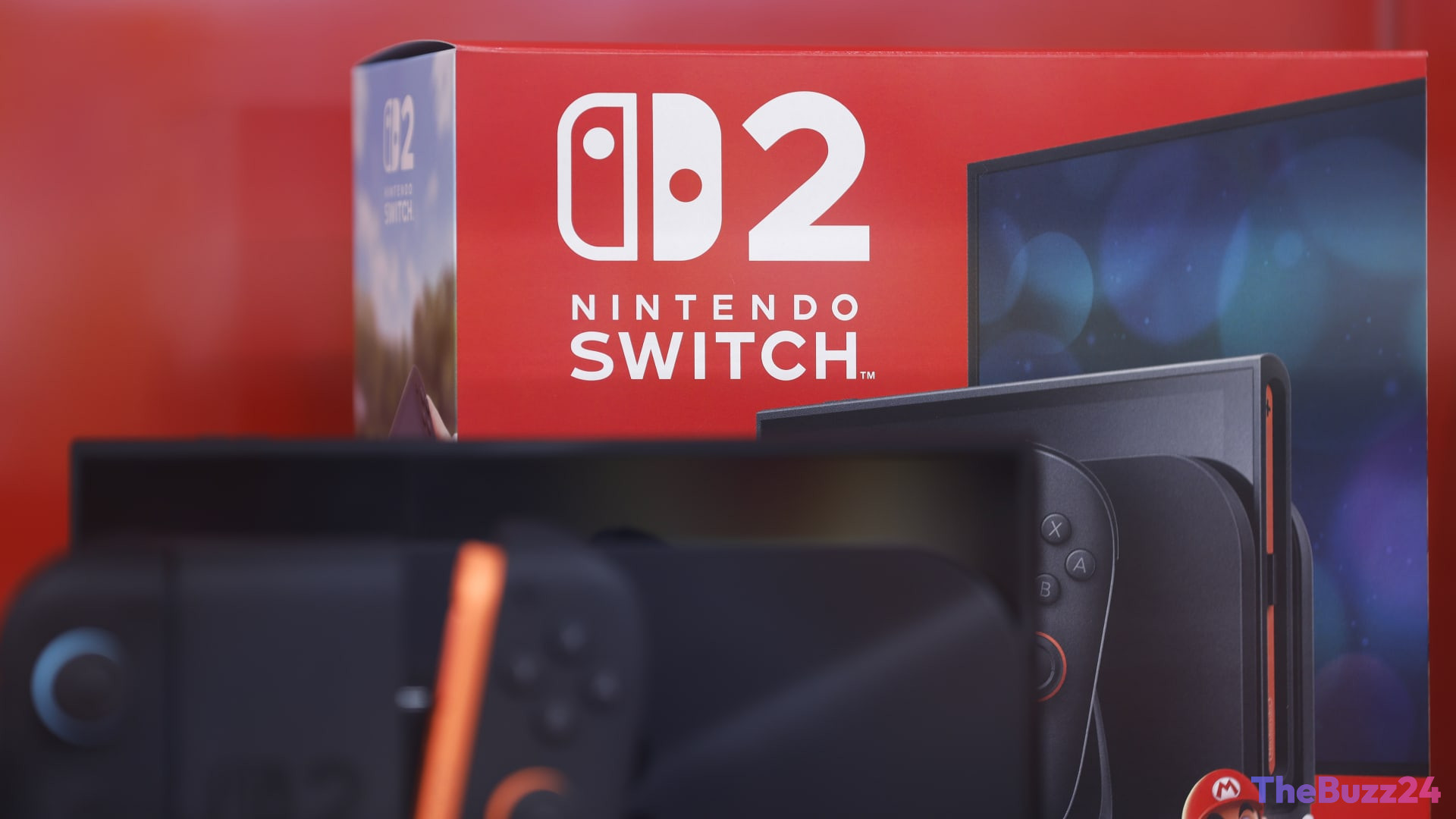
Nintendo Adjusts Switch 2 Pricing Amid Global Component Shortages
Nintendo has officially announced a price adjustment for its highly anticipated Switch 2 console, citing persistent global supply chain challenges and the rising cost of essential hardware components. Starting September 1, the retail price for the console in the United States will increase by $50, moving from $449.99 to $499.99. Similar pricing adjustments are being implemented across international markets, including Japan, Europe, and Canada, as the company navigates the financial pressures caused by a global memory chip shortage.
The price hike is largely driven by the surging demand for memory components, which has been exacerbated by the rapid expansion of artificial intelligence data centers worldwide. This industry-wide supply squeeze has forced many hardware manufacturers to reconsider their pricing models to maintain margins. Nintendo estimates that these increased component costs, coupled with evolving international tariff structures, will result in a financial impact of approximately 100 billion yen for the upcoming fiscal year.
In light of these economic headwinds, Nintendo has adopted a more conservative sales outlook, projecting 16.5 million units for the Switch 2 in the fiscal year ending March 31, 2027. This forecast represents a decline from the 19.86 million units sold in the previous fiscal year, signaling a cautious approach to hardware growth. The tempered expectations have already influenced investor sentiment, putting downward pressure on the company’s stock price.
To offset the potential decline in hardware sales, Nintendo is focusing on its extensive library of intellectual property. The company expects that high-profile cinematic releases and the continued popularity of flagship titles such as ‘Pokémon Pokopia’ will help sustain consumer engagement. Additionally, the upcoming releases of new entries in the ‘Splatoon’ and ‘Starfox’ franchises are viewed as essential components of the company’s strategy to maintain brand momentum despite the challenging fiscal environment.
Key Takeaways
- The Nintendo Switch 2 will see a $50 price increase in the U.S., rising to $499.99 starting September 1.
- Global memory chip shortages, driven by AI data center demand, are the primary cause for the hardware price hikes.
- Nintendo has lowered its sales forecast to 16.5 million units for the upcoming fiscal year, citing economic pressures and supply chain constraints.
Editor’s Analysis & Impact
Nintendo’s decision to raise the price of the Switch 2 reflects a broader, systemic issue within the consumer electronics industry: the ‘AI tax.’ As massive data centers consume the global supply of high-end memory chips, hardware manufacturers are forced to either absorb costs or pass them on to consumers. By choosing the latter, Nintendo risks alienating its core demographic, which has historically favored accessible pricing. However, the company’s pivot toward its ‘moat’—its legendary intellectual property—is a sound defensive strategy. By leveraging high-engagement franchises like Pokémon and Splatoon, Nintendo aims to maintain ecosystem loyalty even if hardware adoption slows. The market’s negative reaction to the lowered sales forecast suggests that investors are wary of the company’s ability to maintain its previous growth trajectory in a high-inflation, high-cost environment.
Frequently Asked Questions
Q: Why is the price of the Nintendo Switch 2 increasing?
A: The price increase is due to rising costs for essential hardware components, specifically memory chips, which are in high demand due to the growth of global AI data centers.
Q: How does Nintendo plan to offset lower hardware sales?
A: Nintendo plans to rely on its strong portfolio of intellectual property, including cinematic releases and major game franchises like 'Pokémon Pokopia,' 'Splatoon,' and 'Starfox' to keep consumers engaged.
AI Disclosure: This article is based on verified data and official reports. Our Team and AI have cross-referenced every financial detail with primary sources to ensure total accuracy.
More from this Category