Beijing Welcomes Putin: A Strategic Summit Reshaping Global Dynamics
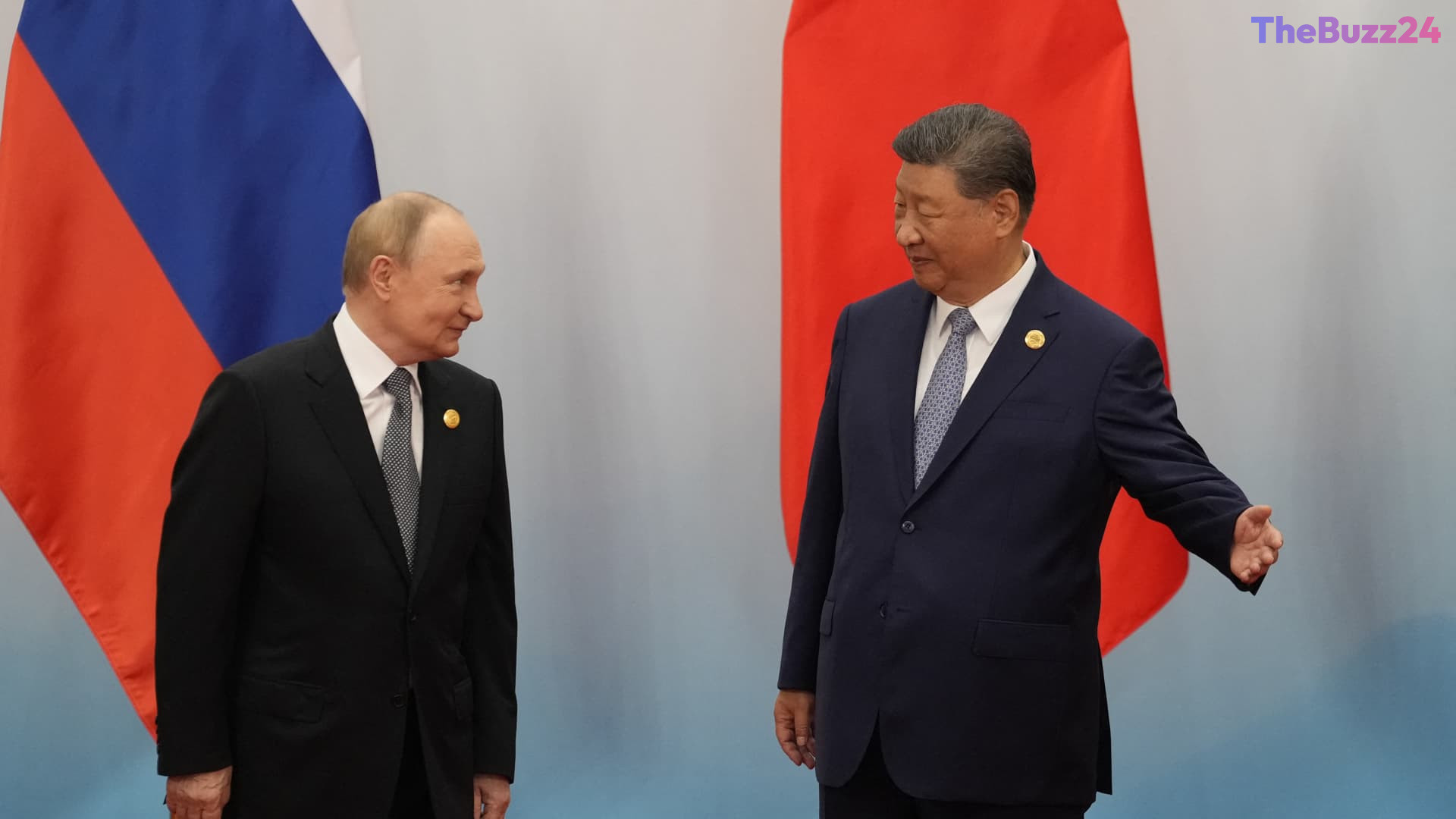
Russian President Vladimir Putin has arrived in Beijing for a crucial two-day summit with Chinese President Xi Jinping, marking a significant moment in contemporary international relations. This high-profile visit follows closely after China hosted another major world leader, underscoring Beijing’s deliberate strategy to navigate its relationships with competing global superpowers. For Moscow, the meeting holds paramount importance as it seeks to reinforce its alliance with Beijing amidst escalating Western sanctions and the protracted conflict in Ukraine.
Economic and energy cooperation are poised to dominate the bilateral discussions. With European markets largely inaccessible to Russian exports, China has emerged as the primary destination for Russian oil and gas. The two leaders are anticipated to finalize major agreements designed to further integrate their energy sectors, offering Moscow a vital financial lifeline. Kremlin representatives have expressed optimism regarding the summit, characterizing it as an opportunity to elevate the “privileged and strategic partnership” between the two neighboring giants.
Despite the public display of unity, observers note a significant shift in the balance of power within this relationship, increasingly favoring Beijing. Russia’s growing reliance on Chinese trade, consumer goods, and technology to sustain its economy and military efforts grants China considerable leverage. While Washington continues to pressure Beijing to curtail its economic support for Moscow, China remains focused on its own long-term strategic and economic interests, meticulously balancing its ties with Russia against its indispensable trade relationships with Western nations.
The scope of the summit extends beyond energy, with a large Russian delegation signaling intentions to broaden cooperation across technology, defense, and infrastructure. This diplomatic engagement highlights a broader realignment of global power, with China strategically positioning itself as a central and indispensable mediator in an increasingly multipolar world.
Key Takeaways
- Russian President Vladimir Putin's visit to Beijing aims to strengthen strategic and economic ties with China.
- Energy cooperation, particularly securing long-term oil and gas deals, is a central focus for Russia amidst Western sanctions.
- The summit highlights China's complex diplomatic strategy, balancing its relationship with Russia against its crucial economic ties with Western nations.
Editor’s Analysis & Impact
This summit underscores the deepening asymmetry in the Sino-Russian relationship. As Western sanctions isolate Moscow, Russia’s economic survival has become increasingly tethered to Beijing’s willingness to purchase its energy resources and supply critical technology. However, China must tread carefully. While Beijing values Russia as a strategic counterweight to U.S. influence, it cannot afford to trigger secondary sanctions from the West, which remains its largest export market. Moving forward, we expect China to continue its pragmatic approach—reaping the benefits of discounted Russian energy and expanding its geopolitical footprint, while stopping short of providing direct military aid that could rupture its economic ties with the U.S. and Europe. This delicate balancing act will shape the geopolitical landscape for years to come.
Frequently Asked Questions
Q: What is the primary objective of President Putin's visit to China?
A: The main objective is to solidify strategic and economic cooperation, particularly in the energy sector, to help Russia navigate Western sanctions and the ongoing conflict in Ukraine.
Q: How does this summit reflect China's foreign policy strategy?
A: The summit underscores China's strategy of balancing its relationships with major global powers. It seeks to strengthen ties with Russia as a strategic partner while carefully managing its vital economic connections with Western nations like the U.S. and Europe.
Q: What are the key areas of cooperation discussed during the summit?
A: Beyond energy, the leaders are expected to discuss expanded cooperation in technology, defense, and infrastructure development, aiming to deepen their "privileged and strategic partnership."
AI Disclosure: This article is based on verified data and official reports. Our Team and AI have cross-referenced every financial detail with primary sources to ensure total accuracy.
More from this Category