Canada Opens Market to Chinese EVs with New Import Policy and Tariff Structure
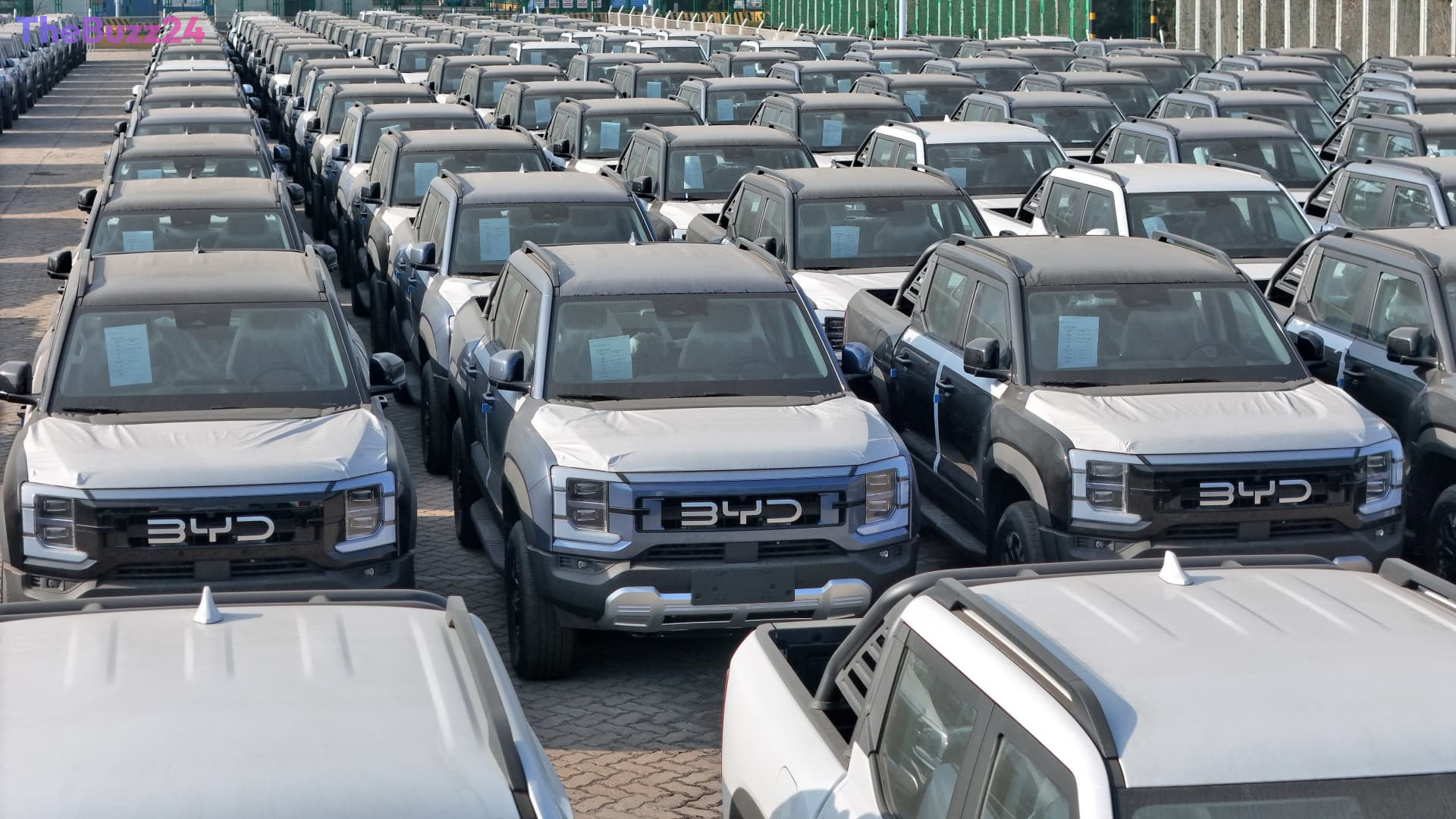
Canada has officially implemented a new regulatory framework that allows for the annual import of up to 49,000 Chinese-manufactured electric vehicles (EVs). Under this policy, these vehicles will be subject to a 6.1% tariff rate, a move intended to diversify the national automotive market while maintaining a controlled volume of new entrants. This shift is expected to create significant opportunities for domestic dealerships and provide consumers with a wider array of electric transport options.
Automotive groups across the country are already preparing for the arrival of these new brands. Michael MacGillivray, CEO of Century Auto Group and Sigma Auto Group, has indicated that the introduction of Chinese EVs could be a major turning point for the industry. After assessing the quality and performance of vehicles from manufacturers like BYD, Geely, and Chery, many dealers are actively seeking partnerships to bring these models to Canadian showrooms. Industry brokers report hundreds of inquiries from local businesses eager to represent these international brands, viewing Canada as a strategic entry point into the broader North American landscape.
Despite the enthusiasm from dealers, the policy has sparked debate among industry advocates and international observers. The Canadian Vehicle Manufacturers’ Association has expressed reservations about the impact on domestic production, while some political figures in the United States have warned that the move could have long-term economic and security implications for the region. To mitigate these concerns, Canadian officials have maintained the 49,000-unit cap and the specific tariff structure as safeguards. Market analysts suggest that while these imports may eventually account for 3% to 5% of the market, established brands such as General Motors, Ford, Toyota, and Hyundai are expected to retain their competitive edge.
For Canadian drivers, the influx of new EV options arrives at a time of high interest in sustainable and affordable transportation. As fuel costs fluctuate, the prospect of competitively priced electric alternatives is generating considerable consumer curiosity. The success of this integration will likely depend on how well these new brands can establish service networks and meet the specific demands of the North American driving environment.
Key Takeaways
- Canada has set an annual import limit of 49,000 Chinese-made electric vehicles.
- A specialized 6.1% tariff will apply to these imports, significantly lower than standard punitive duties.
- Major Chinese brands including BYD, Geely, and Chery are expected to be the primary focus for Canadian dealers.
Editor’s Analysis & Impact
Canada’s decision to permit a controlled volume of Chinese EVs represents a calculated risk to accelerate EV adoption through affordability. By setting a 49,000-unit cap and a modest 6.1% tariff, the government is attempting to balance consumer demand for cheaper electric cars with the need to protect domestic manufacturing interests. This move places Canada in a unique position compared to the United States, which has moved toward much steeper protectionist measures. The long-term impact will likely be a more competitive pricing environment, forcing traditional North American and Japanese automakers to lower costs. However, the geopolitical friction this may cause with U.S. trade partners cannot be ignored, as it could lead to complications within the USMCA framework if these vehicles are seen as a ‘backdoor’ for Chinese technology into the North American market.
Frequently Asked Questions
Q: What is the maximum number of Chinese EVs allowed under the new policy?
A: The policy allows for a maximum of 49,000 Chinese-made electric vehicles to be imported into Canada annually for retail sale.
Q: Which Chinese automotive brands are likely to appear in Canada?
A: Dealers have expressed specific interest in partnering with major manufacturers such as BYD, Geely, and Chery.
Q: How will this affect established car brands like Ford and GM?
A: While the new imports will increase competition, analysts believe the 49,000-unit cap will prevent a major disruption, allowing established players to maintain their market dominance for now.
AI Disclosure: This article is based on verified data and official reports. Our Team and AI have cross-referenced every financial detail with primary sources to ensure total accuracy.
More from this Category