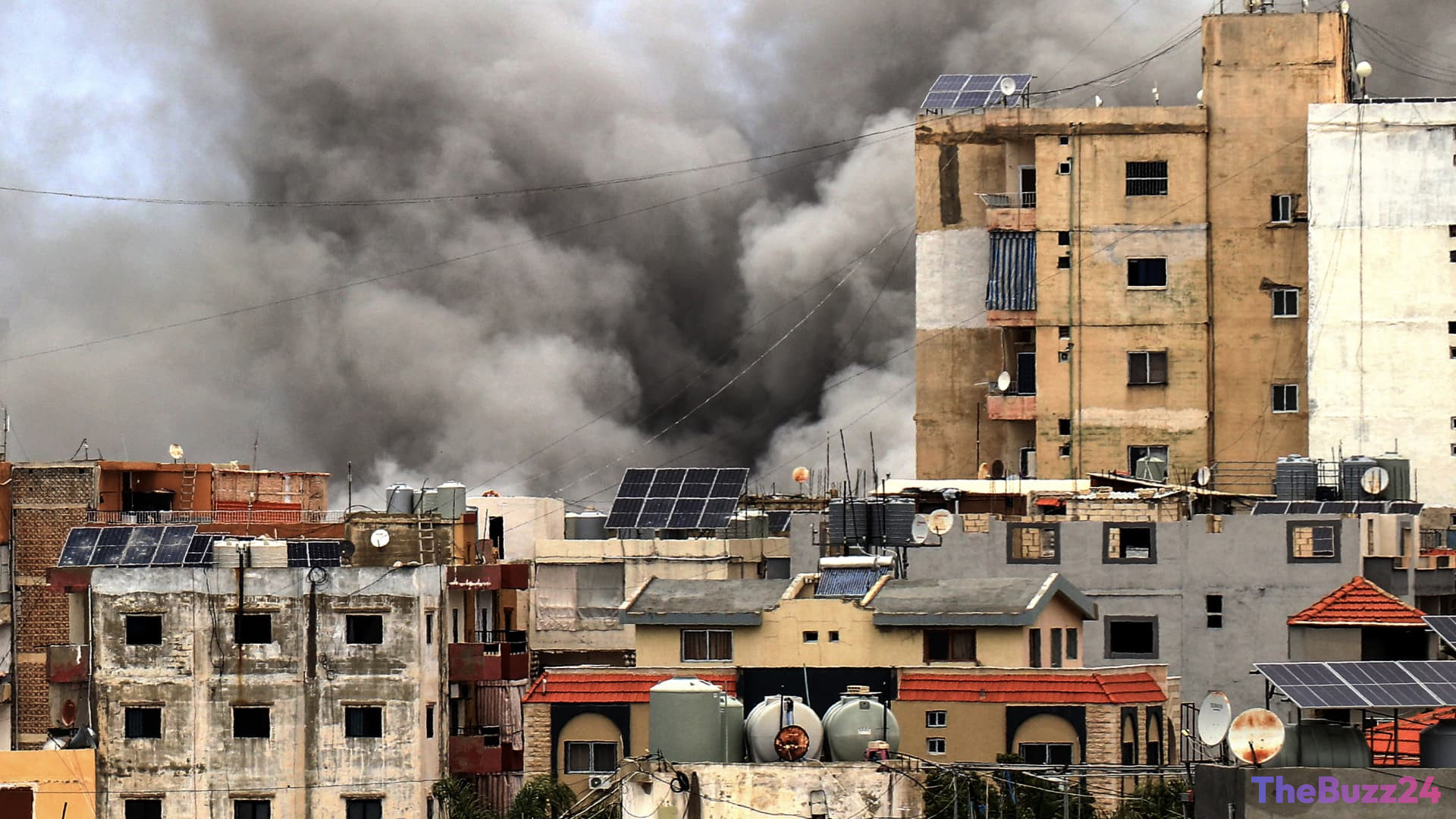
Israel and Lebanon Extend Ceasefire for 45 Days Following Washington Summit
Israel and Lebanon have formally agreed to prolong their current cessation of hostilities for an additional 45 days. This extension follows a foundational ceasefire initiated on April 16 under the mediation of U.S. President Donald Trump. The move is seen as a critical step toward stabilizing the border and providing a window for deeper diplomatic engagement between the neighboring states as they seek a more permanent resolution to the conflict.
The decision was finalized after two days of intensive negotiations in Washington, D.C., which officials described as highly constructive. Both delegations focused on establishing a sustainable framework for de-escalation and addressing the security concerns of both nations. To maintain this momentum, representatives from both countries are scheduled to meet again on June 2 and June 3 to continue refining the terms of the peace process and ensuring the longevity of the truce.
This diplomatic breakthrough comes after a period of intense military activity that threatened to engulf the region. Tensions spiked on March 2 when Hezbollah launched missile strikes, prompting a significant Israeli aerial response and subsequent ground operations in southern Lebanon. The conflict has been further complicated by the broader geopolitical friction between the United States and Iran, which often manifests through regional proxy engagements.
While the April 16 truce has successfully limited the scope of fighting primarily to southern Lebanon, the 45-day extension signals a shared desire to prevent a full-scale regional war. Observers note that the continued dialogue represents the most significant effort in years to address the long-standing security concerns along the border, offering a rare moment of cautious optimism for regional stability.
Key Takeaways
- Israel and Lebanon have extended their ceasefire by 45 days to allow for further diplomatic negotiations.
- The extension follows productive high-level talks in Washington, with the next round of discussions set for early June.
- The truce aims to de-escalate a conflict that intensified in March following Hezbollah missile strikes and Israeli ground incursions.
Editor’s Analysis & Impact
The extension of the Israel-Lebanon truce marks a pivotal moment in Middle Eastern diplomacy, suggesting that both parties recognize the unsustainable cost of a prolonged war of attrition. By securing an additional 45 days, the mediation efforts have successfully created a diplomatic corridor that could potentially decouple the Lebanon front from the broader regional instability involving Iran. However, the situation remains fragile. The success of the upcoming June talks will depend heavily on whether a permanent border demarcation can be discussed and if Hezbollah is willing to maintain its distance from the frontier. For the international community, this pause offers a reprieve from fears of a wider regional conflagration, though the underlying tensions between Israel and Iranian-backed forces continue to pose a significant long-term risk to regional stability and global energy markets.
Frequently Asked Questions
Q: When did the original ceasefire begin?
A: The initial cessation of hostilities was established on April 16 under the mediation of President Donald Trump.
Q: What prompted the recent escalation before the truce?
A: Tensions rose sharply on March 2 following missile strikes by Hezbollah, which led to Israeli air and ground operations in southern Lebanon.
Q: When are the next diplomatic talks scheduled?
A: The delegations from Israel and Lebanon are set to reconvene for further discussions on June 2 and June 3.
AI Disclosure: This article is based on verified data and official reports. Our Team and AI have cross-referenced every financial detail with primary sources to ensure total accuracy.
More from this Category