Bitcoin Dominance Hits Multi-Year High as Investors Favor Market Maturity
The cryptocurrency market is undergoing a significant structural shift as capital increasingly gravitates toward established assets, signaling a move away from the speculative frenzy that defined previous cycles. Bitcoin’s market dominance has climbed to nearly 65%, a threshold not reached since early 2021, as the asset solidifies its role as the primary anchor for digital finance. This trend is largely fueled by the success of spot Exchange-Traded Funds (ETFs), which have attracted over $150 billion in institutional capital, effectively positioning Bitcoin as a regulated and reliable entry point for traditional investors.
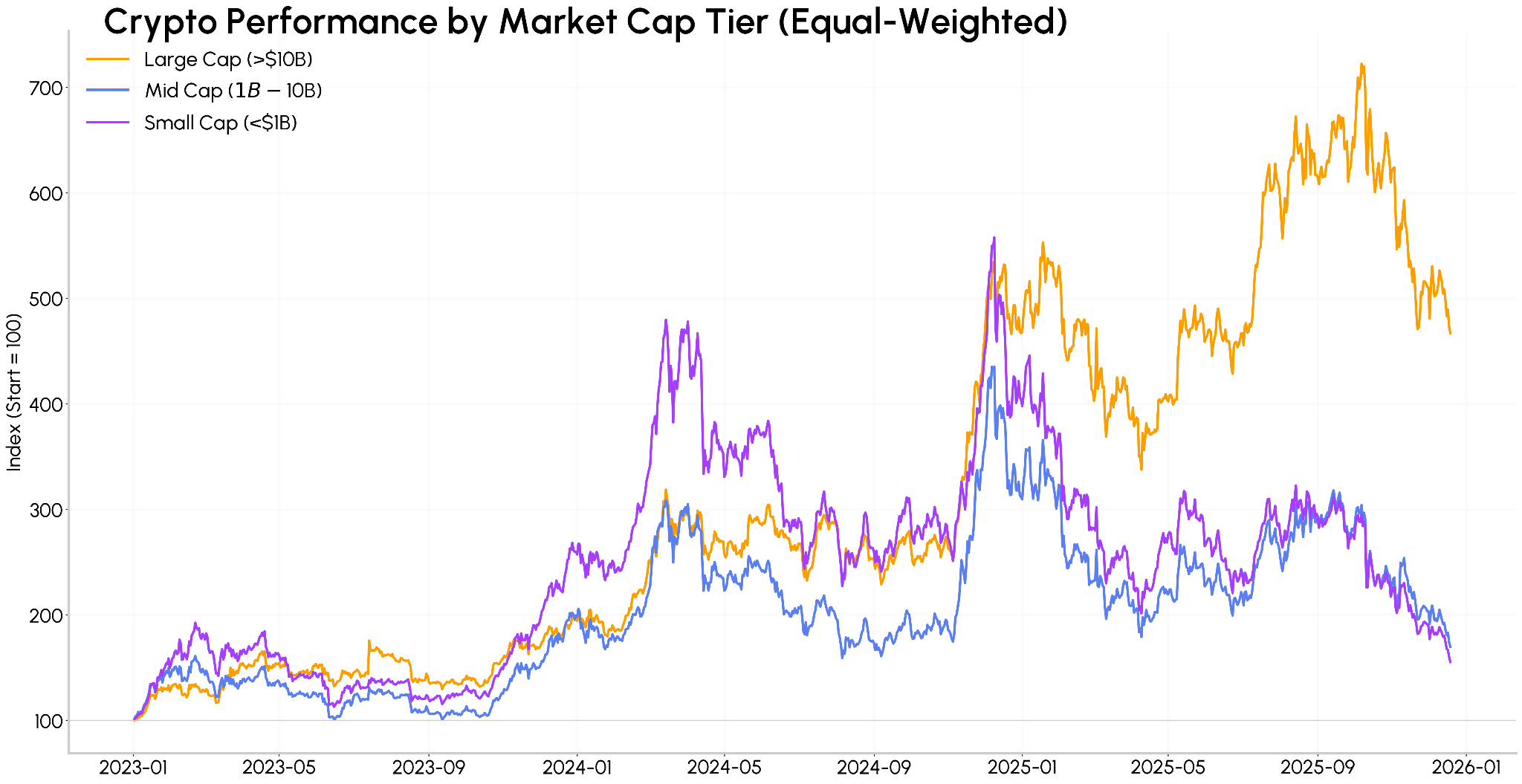
While Bitcoin strengthens its position, the broader altcoin market is facing a period of intense consolidation. Despite the continuous launch of new tokens, the collective market share of altcoins is shrinking. Data reveals that the top 10 altcoins now control roughly 82% of the non-Bitcoin market, up from 70% five years ago. Furthermore, the number of altcoins maintaining a market capitalization above $1 billion has plummeted from a peak of 105 in 2021 to just 58 today, highlighting a flight to quality among market participants.
This trend toward maturity is further evidenced by the resilience of large-cap assets compared to their smaller counterparts. Recent market volatility, including significant liquidations, has exposed the risks associated with thinly traded and highly leveraged smaller projects. As the industry matures, investors are demonstrating a clear preference for assets that offer robust fundamentals, proven utility, and a clear regulatory trajectory, suggesting that future growth in the altcoin space will be highly selective rather than broad-based.
Key Takeaways
- Bitcoin market dominance has reached nearly 65%, its highest level since early 2021, driven by institutional ETF inflows.
- The number of altcoins with a market cap exceeding $1 billion has dropped by nearly half since 2021, indicating a consolidation of capital.
- Investors are increasingly prioritizing assets with strong fundamentals and regulatory clarity over speculative, low-liquidity tokens.
Editor’s Analysis & Impact
The current market consolidation reflects a maturing cryptocurrency ecosystem that is moving away from the ‘wild west’ phase of speculative retail trading. The dominance of Bitcoin and the concentration of capital into a smaller pool of high-quality altcoins suggest that institutionalization is the primary driver of current price action. For the broader industry, this implies that the barrier to entry for new projects has risen significantly; projects without clear utility or regulatory compliance are likely to struggle for liquidity. Looking ahead, we expect this ‘flight to quality’ to continue, potentially leading to a permanent thinning of the long-tail of crypto assets. This shift is ultimately healthy for the industry, as it fosters a more stable environment conducive to long-term institutional adoption and integration with traditional financial systems.
Frequently Asked Questions
Q: Why is Bitcoin's market dominance increasing?
A: Bitcoin's dominance is rising due to sustained institutional interest, particularly through spot ETFs, which provide a regulated and secure way for traditional capital to enter the market, reinforcing its status as a 'safe haven' asset.
Q: What does the decline in billion-dollar altcoins suggest?
A: The decline suggests that capital is becoming more selective. Investors are moving away from speculative, low-liquidity projects and concentrating their holdings in established, large-cap assets that have demonstrated resilience during market volatility.
AI Disclosure: This article is based on verified data and official reports. Our Team and AI have cross-referenced every financial detail with primary sources to ensure total accuracy.
More from this Category