Bridgetower Unveils $11 Billion Tokenization Push Powered by Chainlink
Bridgetower has officially launched a significant initiative to bridge the gap between traditional finance and blockchain technology by tokenizing $11 billion in real-world assets (RWA). The project aims to modernize the management of institutional-grade securities, beginning with the DOM X Arizona Copper-Gold Project, a prominent U.S.-based natural resource venture. This move marks a pivotal shift in how high-value physical assets are represented and traded on decentralized ledgers.
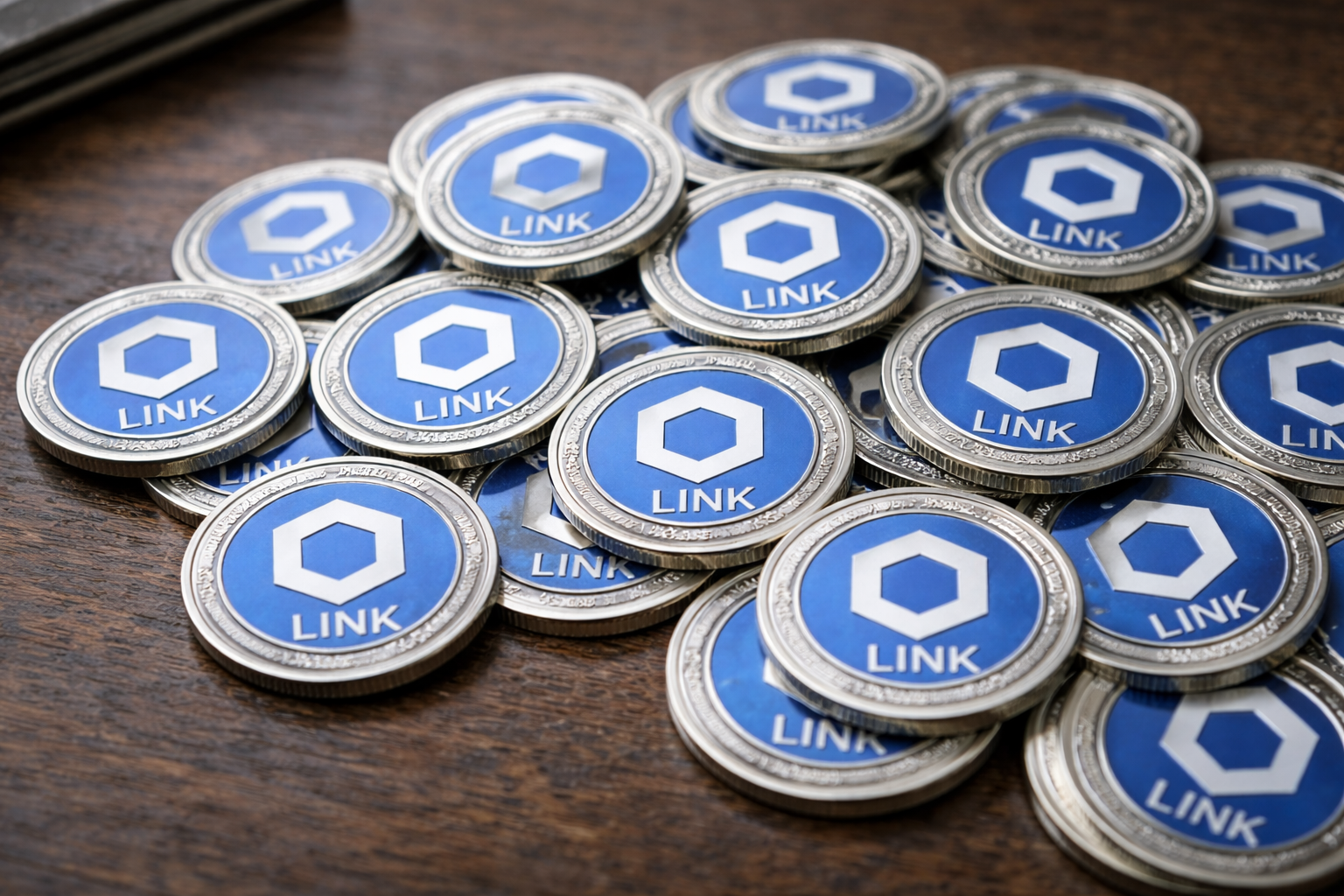
To ensure the integrity and scalability of these tokenized assets, Bridgetower is utilizing a suite of tools from the Chainlink ecosystem. Key components include the Cross-Chain Interoperability Protocol (CCIP), Proof of Reserve, and NAVLink. These technologies are designed to provide the necessary infrastructure for secure issuance and cross-chain functionality, which are essential for institutional adoption.
Beyond technical infrastructure, the platform prioritizes regulatory adherence by embedding automated Know Your Customer (KYC), Know Your Business (KYB), and Anti-Money Laundering (AML) protocols directly into the system. Furthermore, the initiative incorporates fiat and stablecoin transaction rails through Iron, a subsidiary of MoonPay, to facilitate seamless liquidity and settlement for investors. This comprehensive approach reflects a growing industry demand for production-ready, compliant solutions in the evolving digital asset landscape.
Key Takeaways
- Bridgetower is launching an $11 billion tokenization initiative, starting with the DOM X Arizona Copper-Gold Project.
- The platform leverages Chainlink’s CCIP, Proof of Reserve, and NAVLink to provide secure, institutional-grade infrastructure.
- The project integrates automated KYC, KYB, and AML compliance tools alongside fiat and stablecoin support to ensure regulatory and operational efficiency.
Editor’s Analysis & Impact
The collaboration between Bridgetower and Chainlink represents a significant maturation of the Real-World Asset (RWA) sector. By targeting tangible natural resources like the Arizona Copper-Gold Project, the initiative proves that tokenization is transitioning from speculative experimentation to the management of high-value, institutional-grade assets. The integration of compliance protocols directly into the blockchain infrastructure is a critical development, as it addresses the primary regulatory concerns that have historically hindered traditional financial institutions from entering the space. Moving forward, this model could become the industry standard for asset distribution. As financial markets continue to seek efficiency, the role of oracle networks as essential middleware will likely expand, positioning providers like Chainlink as foundational pillars for the future of global, on-chain finance.
Frequently Asked Questions
Q: What is the primary objective of the Bridgetower initiative?
A: The initiative aims to bring $11 billion worth of securities onto the blockchain, starting with the DOM X Arizona Copper-Gold Project, to create a more secure and scalable framework for institutional asset management.
Q: How does the platform handle regulatory requirements?
A: The platform ensures compliance by embedding automated KYC, KYB, and AML protocols directly into the tokenization process, ensuring all transactions meet necessary legal standards.
AI Disclosure: This article is based on verified data and official reports. Our Team and AI have cross-referenced every financial detail with primary sources to ensure total accuracy.
More from this Category