Tensions Surge in Strait of Hormuz as US Enforces Naval Blockade on Iranian Oil
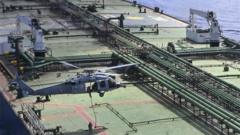
The United States has significantly intensified its maritime pressure on Iran, confirming that naval forces successfully boarded the M/T Majestic X, a vessel carrying Iranian oil, in the Indian Ocean. This operation is part of a broader maritime interdiction strategy initiated following a comprehensive blockade on traffic entering and exiting Iranian ports. The move is intended to disrupt material support for the Iranian government, with US Central Command actively turning away dozens of vessels suspected of violating these sanctions.
In response to the escalating situation, President Donald Trump has issued a stern directive to the US Navy, authorizing the use of lethal force against any vessels attempting to deploy mines within the Strait of Hormuz. This strategic waterway remains a critical flashpoint, as the administration claims the blockade has achieved total effectiveness in halting Iranian commercial activity. The President has rejected calls for a swift reopening of the strait, insisting that current measures will remain in place until a more comprehensive diplomatic agreement is reached.
Regional instability has been further compounded by reports of Iranian naval activity, including the alleged seizure of cargo ships and reports of fire exchanged near the strait. While Iranian officials have condemned the US blockade as an act of piracy, the leadership in Tehran continues to face severe economic strain. Meanwhile, Israeli officials have signaled readiness to resume military operations, citing a desire to finalize the removal of the current Iranian leadership structure following recent political transitions within the country.
Key Takeaways
- US naval forces have boarded the M/T Majestic X as part of an ongoing blockade aimed at cutting off Iranian oil exports.
- President Trump has authorized the US Navy to use lethal force against any vessels attempting to lay mines in the Strait of Hormuz.
- Diplomatic negotiations remain stalled as Iran labels the blockade an act of piracy and the US maintains that the strait is under its total control.
Editor’s Analysis & Impact
The current naval standoff in the Strait of Hormuz represents a critical escalation in the geopolitical conflict between the United States and Iran. By enforcing a total maritime blockade, the US is leveraging economic strangulation to force a diplomatic breakthrough, though this strategy carries significant risks of accidental military engagement. The Strait of Hormuz is a vital artery for global energy markets; any prolonged disruption or kinetic conflict there could trigger a massive spike in oil prices and global supply chain volatility. Furthermore, the involvement of regional actors like Israel adds a layer of complexity, as the potential for a broader regional war remains high. The future outlook depends heavily on whether the current ‘ceasefire’ can hold or if the pressure of the blockade forces a miscalculation that leads to a full-scale naval confrontation.
Frequently Asked Questions
Q: Why is the Strait of Hormuz significant in this conflict?
A: The Strait of Hormuz is one of the world's most important oil chokepoints, through which a significant portion of the world's petroleum supply passes. Controlling it gives either side immense leverage over global energy markets.
Q: What is the current status of the US blockade on Iran?
A: The US has implemented a comprehensive blockade on maritime traffic entering and leaving Iranian ports, with Central Command actively intercepting and turning away vessels suspected of providing material support to Iran.
AI Disclosure: This article is based on verified data and official reports. Our Team and AI have cross-referenced every financial detail with primary sources to ensure total accuracy.
More from this Category