Geological Pioneers: Preparing the Artemis Crew for Lunar Exploration
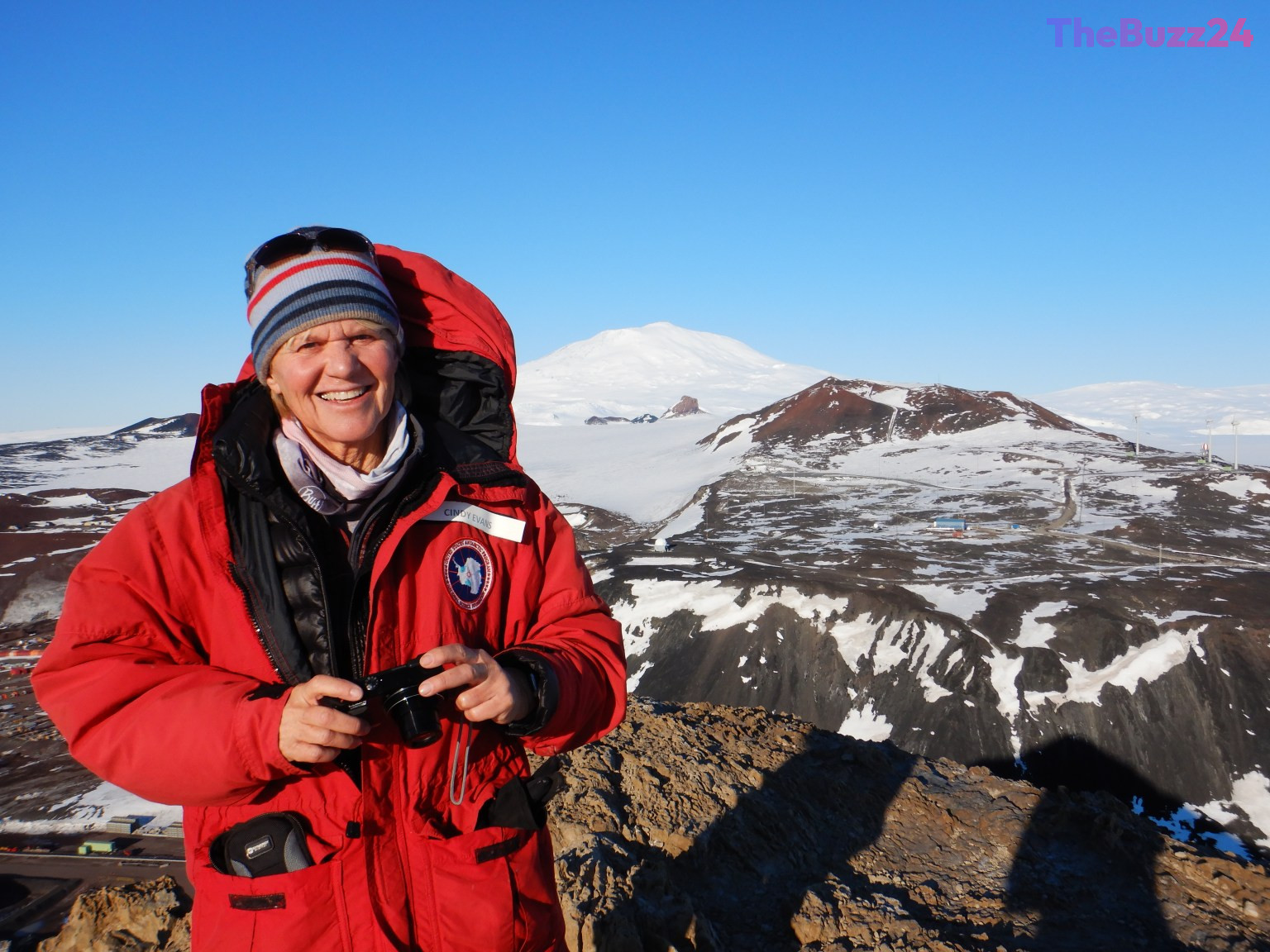
As the Artemis program moves closer to returning humans to the lunar surface, the focus has shifted toward ensuring that astronauts are not just skilled pilots, but also capable field scientists. At the heart of this initiative is Cindy Evans, the lead for geology training at the Johnson Space Center. Her mission is to transform astronauts into expert observers who can identify, analyze, and document critical geological features, ensuring that every moment spent on the Moon yields maximum scientific insight.
The training regimen is rigorous, combining intensive classroom theory with practical, hands-on experience in some of Earth’s most unforgiving landscapes. By simulating the harsh, isolated conditions of the lunar environment, Evans prepares crews to handle the physical and mental demands of planetary exploration. This preparation was instrumental for the Artemis II crew, who utilized their training to interpret complex volcanic flows and impact craters, setting a precedent for the scientific rigor expected of future lunar explorers.
Evans brings an extensive background in oceanography and planetary science to the program, having previously supported the Space Shuttle and International Space Station missions. Her experience leading meteorite collection expeditions in Antarctica provides a unique analog for the lunar surface, helping astronauts refine their sample collection techniques. Beyond technical instruction, she is fostering a culture of interdisciplinary collaboration, mentoring a new generation of scientists to be adaptable and observant in the face of the unknown.
Ultimately, the work being done at the Johnson Space Center is about more than just landing on the Moon; it is about establishing a sustainable scientific presence. By equipping astronauts with the tools to act as field geologists, the program ensures that the data returned from the Moon will provide a clearer understanding of the history of our solar system for decades to come.
Key Takeaways
- Cindy Evans is spearheading a comprehensive geology training program at the Johnson Space Center to turn astronauts into skilled planetary scientists.
- The curriculum utilizes extreme Earth environments, such as Antarctica, to simulate the challenges of lunar exploration and sample collection.
- The training program is designed to ensure that Artemis missions provide high-value scientific data regarding the Moon's geological history.
Editor’s Analysis & Impact
The evolution of the Artemis program marks a significant transition from the exploratory ‘flags and footprints’ era of the Apollo missions to a model of sustainable, science-driven lunar habitation. By prioritizing geological literacy, NASA is effectively raising the bar for what constitutes an astronaut’s core competency. This shift has profound implications for the aerospace industry; as private sector interest in lunar resources and deep-space mining grows, the methodologies developed by Evans will likely become the industry standard for training. Furthermore, this focus on scientific output increases the long-term value of lunar missions, making them more attractive for international partnerships and academic research. The ability to conduct high-level field science in situ will be the defining factor in the success of future long-duration missions to the Moon and, eventually, Mars.
Frequently Asked Questions
Q: Why is geology training a priority for the Artemis missions?
A: Geology training is essential because it enables astronauts to make real-time decisions about which lunar samples are most scientifically valuable, ensuring that the limited time on the surface results in the highest quality data.
Q: How does Antarctica serve as a training ground for lunar missions?
A: Antarctica provides a harsh, cold, and isolated environment that mimics the extreme conditions of the Moon, allowing astronauts to practice field techniques and sample collection in a setting that requires high levels of operational discipline.
Q: What is Cindy Evans' professional background?
A: Cindy Evans is an expert in oceanography and planetary science who has contributed to the Space Shuttle Program and International Space Station operations before taking on her current role in astronaut training.
AI Disclosure: This article is based on verified data and official reports. Our Team and AI have cross-referenced every financial detail with primary sources to ensure total accuracy.
More from this Category