The Next Frontier: How Chinese Tech Giants Are Redefining the Smart Glasses Market
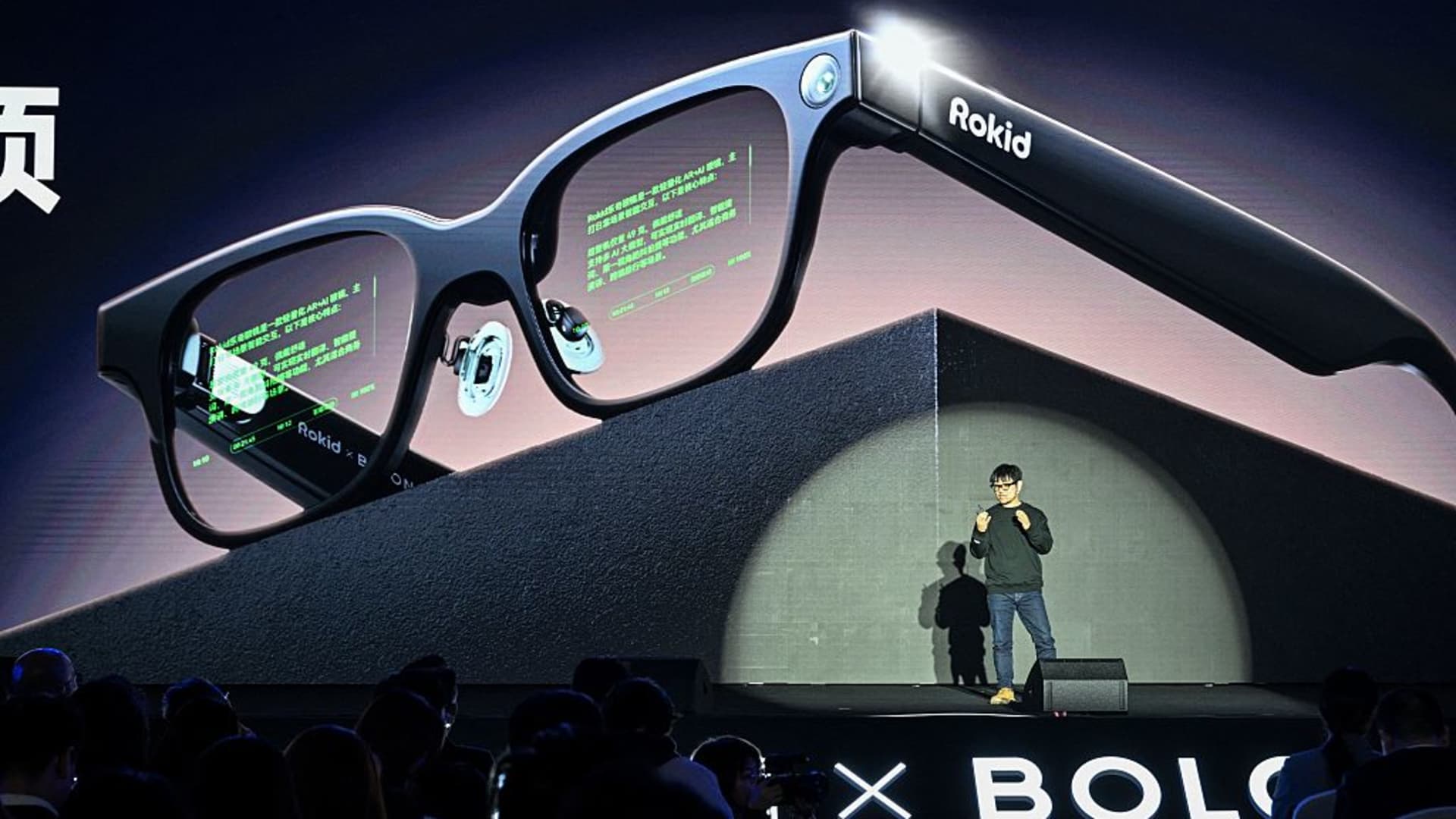
The wearable technology sector is undergoing a significant transformation as Chinese innovators, spearheaded by companies like Rokid and backed by tech giants such as Alibaba, aggressively capture market share. Unlike the fashion-centric approach favored by Western competitors like Meta, these firms are prioritizing high-utility augmented reality (AR) features. By integrating advanced virtual displays that project digital information directly into the user’s field of vision, these devices are offering functional capabilities that currently outpace the feature sets found in popular alternatives like the Ray-Ban smart glasses.
At the heart of this shift is a focus on deep AI integration and practical daily utility. Rokid’s hardware, for instance, has gained traction by offering specialized tools such as teleprompting for professionals, real-time navigation for cyclists, and hands-free voice control. Through the OpenClaw AI agent, users can manage complex digital tasks, including executing mobile payments, operating smart home systems, and even interfacing with Tesla vehicles. This emphasis on high-utility hardware has resonated strongly with consumers, driving robust sales despite the premium price points associated with these advanced frames.
The global landscape for AI-enabled eyewear is bracing for a period of rapid growth, with industry projections forecasting a 70% increase in unit sales this year, potentially reaching 15 million units worldwide. As Rokid eyes a potential initial public offering in Hong Kong and expands its reach into markets like the U.K. and Canada, the competitive pressure is mounting. With rumors circulating that industry titans such as Huawei and ByteDance are preparing to enter the space, the market is entering a phase of intense innovation that may eventually challenge the smartphone’s status as the primary personal computing device.
Key Takeaways
- Chinese manufacturers are gaining a competitive edge by prioritizing augmented reality displays and deep AI integration over fashion-first designs.
- The global AI glasses market is projected to grow by 70% this year, with major players expanding into international territories.
- Advanced smart glasses are evolving into multifunctional tools capable of handling payments, smart home control, and vehicle interaction, signaling a potential shift away from smartphone dependency.
Editor’s Analysis & Impact
The emergence of sophisticated, display-driven smart glasses from Chinese manufacturers marks a critical evolution in wearable technology. By shifting the value proposition from simple camera-integrated frames to true augmented reality interfaces, these companies are effectively bridging the gap between enterprise-grade tools and consumer electronics. This trend suggests that the industry is moving toward a ‘post-smartphone’ era where the interface is seamlessly layered over the user’s environment. However, the sector faces significant headwinds, including the necessity of balancing high-performance optical engines with battery efficiency and addressing growing data privacy concerns. As competition intensifies with the expected entry of Huawei and ByteDance, we anticipate a rapid commoditization of these technologies, which will likely drive down costs and catalyze mass-market adoption in the coming years.
Frequently Asked Questions
Q: What distinguishes the current generation of Chinese smart glasses from Meta's Ray-Ban models?
A: The primary difference lies in the display technology; Chinese models like those from Rokid incorporate virtual displays that project digital information into the user's field of view, whereas Meta's current Ray-Ban glasses focus primarily on camera-based features and audio without an integrated visual display.
Q: What are the main practical applications for these AI-powered glasses?
A: These devices are designed for high-utility tasks, including professional teleprompting, real-time navigation, hands-free voice commands, mobile payment execution, and the remote control of smart home appliances and connected vehicles.
AI Disclosure: This article is based on verified data and official reports. Our Team and AI have cross-referenced every financial detail with primary sources to ensure total accuracy.
More from this Category