Curiosity Rover Overcomes Drilling Obstacle on Martian Surface
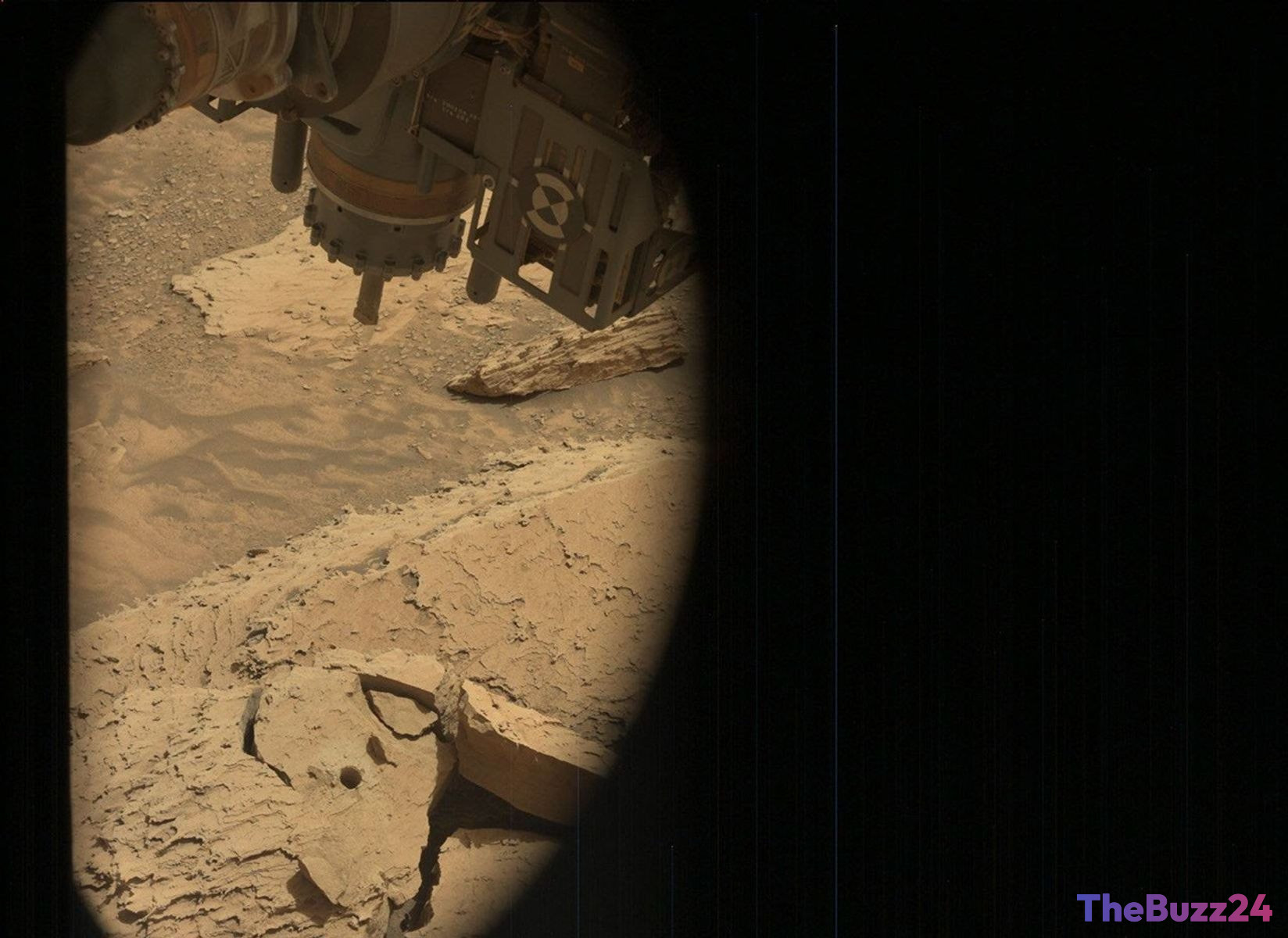
The Curiosity rover has successfully navigated a mechanical complication during its ongoing exploration of the Martian surface. While conducting a routine drilling operation at a site designated as ‘Atacama,’ the rover encountered an unexpected issue when the target rock—which appeared to be stable bedrock—turned out to be a detached block. Upon attempting to retract the drill bit, the entire rock remained stuck to the instrument, lifting off the ground along with the drill assembly.
To rectify the situation, mission controllers implemented a series of precise maneuvers. By carefully adjusting the orientation of the drill bit and employing percussion techniques to vibrate the assembly, the team was able to successfully dislodge the rock. This recovery process necessitated a temporary suspension of standard drilling activities, allowing the rover to pivot its focus toward remote sensing and high-resolution imaging while the mechanical issue was resolved.
During this operational pause, the rover utilized its onboard ChemCam and Mastcam instruments to conduct a thorough survey of the surrounding terrain. Scientists took advantage of the delay to analyze nearby geological features, including dark cobbles and the cavity left behind by the displaced block. This provided a rare, unplanned opportunity to study material that had been shielded from the harsh Martian atmosphere for an extended period.
With the drill assembly now fully operational and clear of debris, the mission team is preparing to wrap up the Atacama campaign. Moving forward, the focus will shift toward identifying more stable, firmly rooted geological targets to ensure the successful collection and analysis of future samples, which remain a critical component of the rover’s mission to understand the history of Mars.
Key Takeaways
- The Curiosity rover successfully freed its drill bit after a detached Martian rock became stuck to the instrument during a sampling operation.
- Mission controllers used vibration and orientation adjustments to resolve the mechanical issue without damaging the rover's hardware.
- The delay allowed for unique scientific observations of previously shielded geological material, providing new insights into the Martian surface.
Editor’s Analysis & Impact
The successful resolution of the Atacama drilling issue highlights the resilience and adaptability of the Curiosity mission, which has been operating on Mars for over a decade. This incident underscores the inherent risks of autonomous and remote-operated robotics in unpredictable extraterrestrial environments. From an industry perspective, the ability to perform complex mechanical repairs from millions of miles away is a testament to the sophistication of current space exploration technology. As NASA and other space agencies look toward more ambitious sample-return missions, the lessons learned from these ‘in-situ’ troubleshooting efforts are invaluable. The ability to pivot to remote sensing during mechanical downtime ensures that scientific output remains consistent, even when primary objectives face unexpected delays, ultimately maximizing the return on investment for long-term planetary exploration projects.
Frequently Asked Questions
Q: Why did the rock get stuck to the Curiosity rover's drill?
A: The rock was a detached block rather than part of the stable bedrock, causing it to lift off the surface along with the drill bit during the retraction process.
Q: What did the rover do while the drill was stuck?
A: The rover shifted its focus to remote sensing and imaging, using its ChemCam and Mastcam to study the surrounding area and the cavity left by the displaced rock.
AI Disclosure: This article is based on verified data and official reports. Our Team and AI have cross-referenced every financial detail with primary sources to ensure total accuracy.
More from this Category