The Rise of the Citizen Scientist: How Volunteers Are Shaping Modern Research
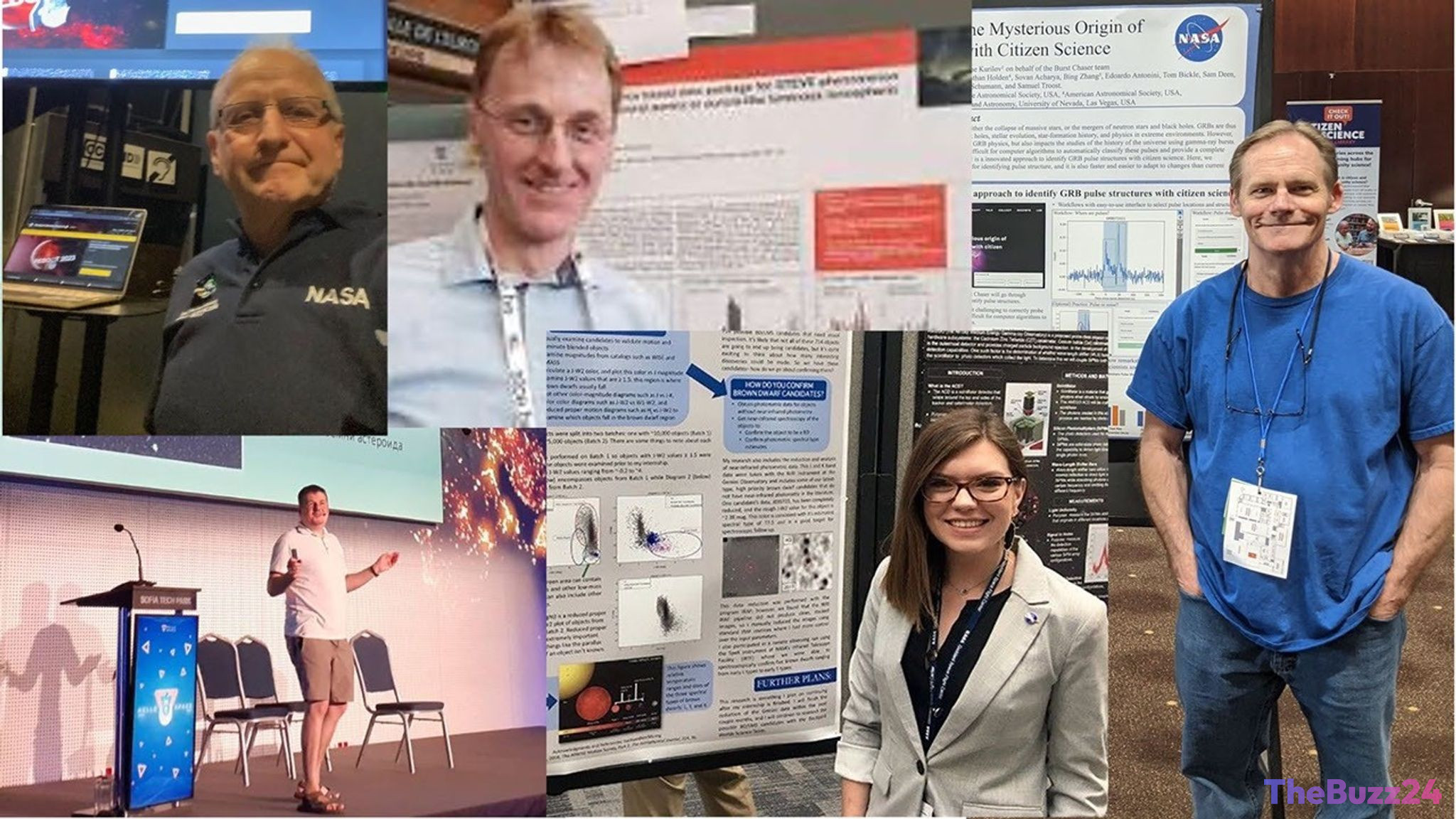
A significant shift is occurring in the scientific community as everyday individuals increasingly transition from casual observers to recognized contributors in professional research. Recent data confirms that over 650 citizen scientists have now achieved the milestone of co-authoring peer-reviewed academic papers, working directly alongside professional research teams to expand the global scientific record.
These volunteers, who range from amateur astronomers to students, are providing essential data that would be difficult for professional teams to collect alone. Their contributions span a vast array of disciplines, including the identification of gamma-ray bursts, the tracking of comets, and the discovery of brown dwarfs. Beyond space exploration, citizen scientists are also monitoring terrestrial phenomena such as aurora patterns and ionospheric changes, proving that dedicated observation can lead to meaningful breakthroughs.
For those interested in contributing to professional research, the path to publication often begins with deep immersion in specific projects. Experts recommend that aspiring contributors focus on areas of genuine interest, familiarize themselves with established data patterns, and engage actively in virtual forums. By communicating directly with project leads, volunteers can gain the mentorship necessary to navigate the complexities of the peer-review process.
This collaborative model provides a unique pathway for students and aspiring researchers to build their academic credentials. Securing a peer-reviewed publication serves as a powerful career milestone, demonstrating both technical competence and a commitment to scientific inquiry. As the barrier to entry for scientific research continues to lower, the opportunity to contribute to lasting knowledge remains accessible to anyone willing to dedicate the time to observe and analyze the world around them.
Key Takeaways
- Over 650 citizen scientists have successfully co-authored peer-reviewed research papers alongside professional teams.
- Volunteers contribute to diverse fields ranging from astronomy and space exploration to terrestrial atmospheric monitoring.
- Active participation in research projects and engagement with professional mentors are key steps for volunteers aiming to achieve publication.
Editor’s Analysis & Impact
The integration of citizen science into formal academic research represents a democratization of knowledge that is reshaping the scientific landscape. By leveraging the collective power of thousands of distributed observers, professional researchers can process massive datasets that would otherwise remain unanalyzed. This model not only accelerates the pace of discovery but also fosters a more scientifically literate public. Looking ahead, we expect to see more formal institutional frameworks designed to vet and incorporate volunteer data, potentially leading to a new standard in collaborative research. For the industry, this signifies a shift toward open-science practices, where the value of a contribution is measured by the quality of the data rather than the formal credentials of the contributor. This trend will likely continue to grow as digital tools and remote collaboration platforms become more sophisticated.
Frequently Asked Questions
Q: Do I need a degree to become a published citizen scientist?
A: No, you do not need a formal degree. The primary requirements are dedication, a willingness to learn the specific project's methodology, and the ability to consistently document and analyze data.
Q: How can I start contributing to scientific research?
A: The best way to start is by identifying a project that aligns with your interests, joining its associated virtual forums, and familiarizing yourself with the project's existing data and research goals.
AI Disclosure: This article is based on verified data and official reports. Our Team and AI have cross-referenced every financial detail with primary sources to ensure total accuracy.
More from this Category