DOJ Backs Elon Musk’s xAI in Turbine Lawsuit, Citing National Security and Military AI Needs
The U.S. Department of Justice has intervened in a high-profile environmental lawsuit, throwing its support behind Elon Musk’s artificial intelligence venture, xAI. The legal battle, initiated by the NAACP, seeks to halt the operation of dozens of unpermitted natural gas turbines powering xAI’s Colossus data centers in Memphis, Tennessee. According to federal officials, halting the power supply to these facilities would severely compromise American national, economic, and energy security, directly impacting critical artificial intelligence innovations utilized in military operations.
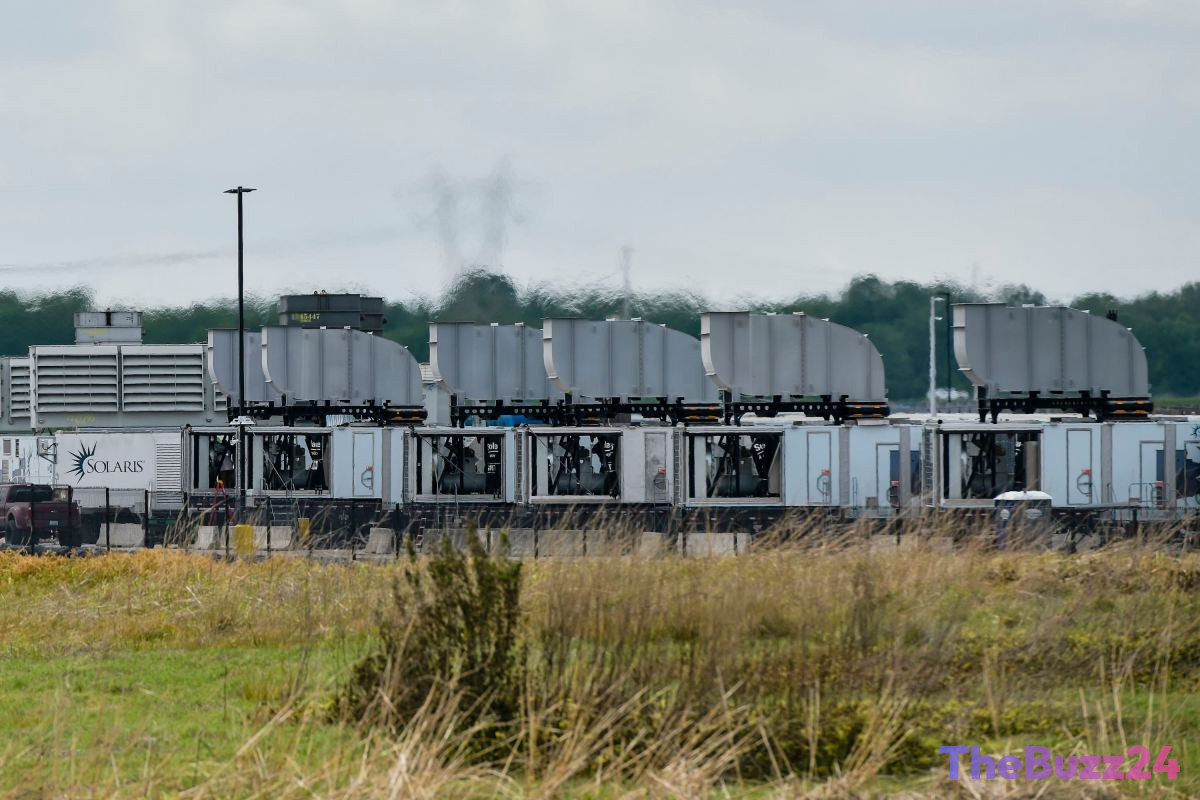
At the heart of the government’s defense is the assertion that xAI’s Grok model is one of just four AI systems currently supporting mission-critical defense operations, including recent military actions in the Middle East. The NAACP and the Southern Environmental Law Center argue that the 57 trailer-mounted turbines bypass essential clean air regulations. While xAI contends that the mobile nature of the generators exempts them from local air pollution permits for up to a year, environmental advocates maintain that federal law classifies such setups as stationary sources subject to strict regulatory oversight.
Local communities have raised alarms over the rapid expansion of the turbine farm, which has more than doubled in size over the past year. Residents in the Memphis area, already facing significant industrial pollution, are now exposed to increased levels of hazardous emissions, including PM2.5, formaldehyde, and nitrogen oxides. These pollutants are known contributors to severe health issues such as asthma, cardiovascular disease, and cancer. Despite these concerns, xAI’s parent operations appear poised for further expansion, with plans to acquire an additional $2.8 billion in gas turbines over the next three years to sustain its massive computational demands.
Key Takeaways
- The Department of Justice has sided with xAI, arguing that shutting down its Memphis turbines would harm national security and military AI capabilities.
- The NAACP's lawsuit claims the 57 trailer-mounted natural gas turbines violate federal clean air laws and worsen local pollution.
- xAI plans to spend billions more on mobile gas turbines to power its rapidly expanding data center infrastructure.
Editor’s Analysis & Impact
This development highlights a growing tension between the rapid advancement of artificial intelligence and environmental sustainability. As tech giants race to build massive data centers, the immense power grid demands are forcing companies to rely on fossil-fuel-based workarounds like mobile gas turbines. The DOJ’s intervention underscores how deeply integrated AI has become with national defense, effectively prioritizing technological supremacy and military readiness over local environmental regulations. This sets a significant precedent: national security interests may increasingly be used to shield tech infrastructure from environmental compliance. Moving forward, the industry must address this energy bottleneck, potentially accelerating the transition toward dedicated nuclear or renewable energy sources to power the next generation of AI supercomputers without triggering regulatory and public backlash.
Frequently Asked Questions
Q: Why is the DOJ involved in a local environmental lawsuit against xAI?
A: The DOJ intervened because xAI's data centers power the Grok AI model, which is used to support critical military and national security operations. The government argues that shutting down the power supply would compromise defense capabilities.
Q: What is the environmental concern surrounding xAI's Memphis data centers?
A: Critics and local advocacy groups point out that the 57 natural gas turbines emit harmful pollutants like PM2.5, formaldehyde, and nitrogen oxides, which are linked to respiratory illnesses, cardiovascular disease, and cancer in an already heavily polluted region.
Q: How does xAI justify using unpermitted turbines?
A: xAI claims that because the turbines are mounted on mobile trailers, they qualify for a one-year exemption from local air pollution regulations. However, environmental lawyers argue that federal law classifies them as stationary sources due to their continuous use.
AI Disclosure: This article is based on verified data and official reports. Our Team and AI have cross-referenced every financial detail with primary sources to ensure total accuracy.
More from this Category