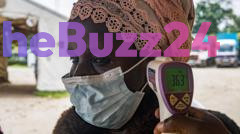
Escalating Ebola Crisis in DR Congo Strains Conflict-Ridden Regions
A severe Ebola outbreak in the eastern Democratic Republic of Congo is intensifying, with health authorities warning that the virus may have circulated undetected for weeks. Current data indicates 514 suspected cases and 136 deaths, with the virus spreading beyond the initial epicenter in Ituri province to major urban hubs, including Goma and Butembo. The emergence of the virus in these densely populated areas has heightened fears regarding containment, particularly as the region continues to grapple with persistent civil unrest and humanitarian instability.
The current outbreak is attributed to the Bundibugyo strain, a less common variant of the virus that often presents with milder symptoms. This clinical subtlety has led many to mistake early infections for malaria, resulting in delayed medical intervention and silent transmission within communities. Officials identified a nurse in Bunia as the likely patient zero, noting that cultural misconceptions and a lack of reporting in remote areas like the mining town of Mongwalu further hindered early detection efforts.
Containment is significantly hampered by the presence of armed groups, including the M23 rebels, who control or influence several affected territories. With healthcare infrastructure already compromised by years of conflict, the lack of fully operational treatment centers in major cities remains a critical vulnerability. While international aid, including a $13 million emergency package from the United States, has been mobilized, local compliance with basic public health protocols remains low as residents prioritize daily survival over infection prevention measures.
Key Takeaways
- The outbreak involves the Bundibugyo strain, which is harder to diagnose due to symptoms that mimic common illnesses like malaria.
- Conflict and militia activity in North Kivu and Ituri provinces are severely obstructing the establishment of effective treatment centers and containment protocols.
- The virus has reached major urban centers like Goma, increasing the risk of rapid transmission in densely populated areas.
Editor’s Analysis & Impact
The resurgence of Ebola in the eastern DR Congo represents a complex intersection of public health failure and geopolitical instability. The primary challenge here is not merely the biological threat of the Bundibugyo strain, but the ‘crisis-on-crisis’ dynamic where existing humanitarian aid is stretched thin by ongoing militia activity. The failure to implement basic public health measures in urban centers like Goma suggests a breakdown in trust between the population and health authorities, likely exacerbated by the region’s history of conflict. Moving forward, the success of containment efforts will depend less on medical supplies and more on the ability of aid organizations to navigate security risks and overcome deep-seated cultural skepticism. If the virus remains unchecked in these urban hubs, the potential for regional spillover into neighboring countries remains a significant threat to global health security.
Frequently Asked Questions
Q: Why is the Bundibugyo strain of Ebola considered particularly dangerous in this context?
A: The Bundibugyo strain often presents with less obvious symptoms than other variants, leading patients and healthcare workers to mistake it for malaria, which delays diagnosis and allows the virus to spread silently.
Q: How does the regional conflict in DR Congo affect the Ebola response?
A: Ongoing conflict and the presence of rebel groups like M23 prevent the establishment of secure, fully operational Ebola treatment centers and hinder the ability of health teams to conduct contact tracing and community outreach.
AI Disclosure: This article is based on verified data and official reports. Our Team and AI have cross-referenced every financial detail with primary sources to ensure total accuracy.
More from this Category