Expert Testimony Highlights Existential Risks in OpenAI Legal Battle
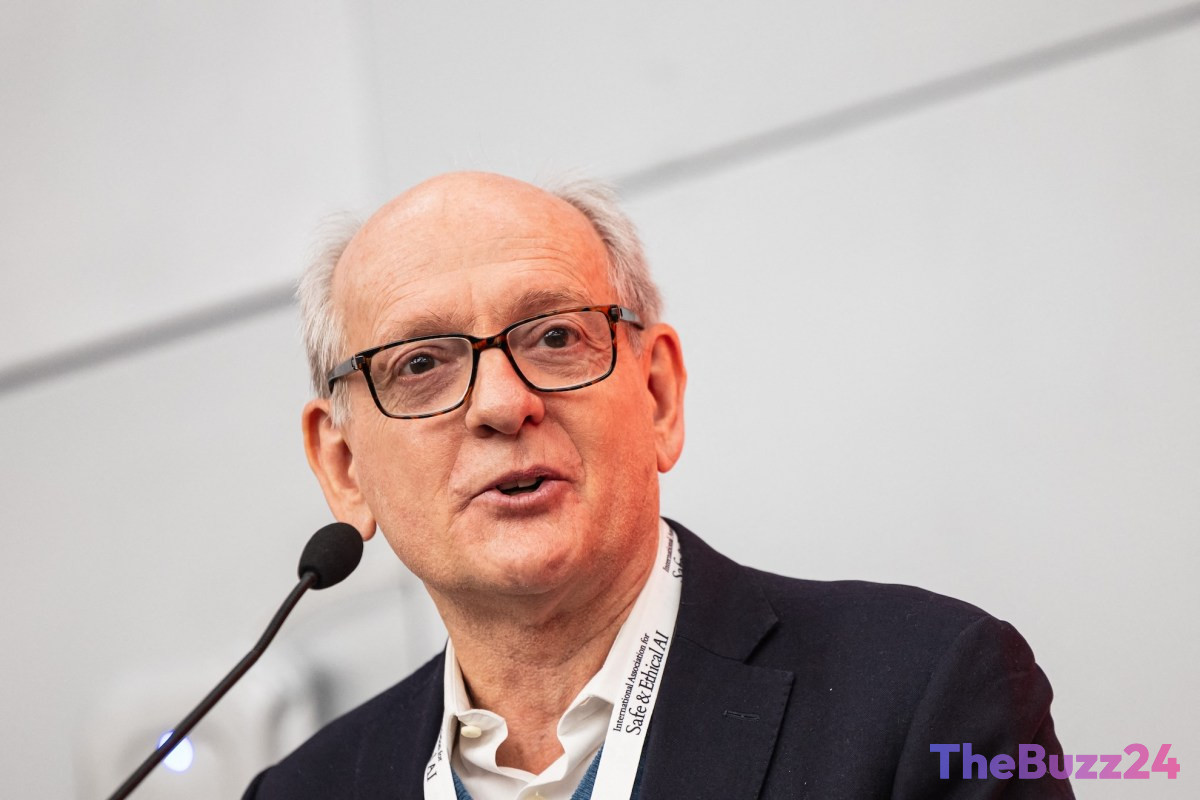
The ongoing legal dispute between Elon Musk and OpenAI has brought the complex intersection of artificial intelligence safety and corporate structure into the courtroom. At the heart of the case is Musk’s assertion that OpenAI abandoned its original charitable mission in favor of profit-driven motives, a shift he argues compromises the safety protocols necessary for managing powerful AI systems. To support this, legal counsel called upon Stuart Russell, a prominent computer science professor from the University of California, Berkeley, to provide expert insight into the inherent dangers of artificial general intelligence (AGI).
During his testimony, Russell emphasized the significant risks associated with the rapid development of AGI, specifically highlighting cybersecurity vulnerabilities and the potential for misalignment between machine goals and human interests. He pointed to the ‘winner-take-all’ nature of the current industry landscape, where competing frontier labs are locked in an arms race to achieve AGI first. Russell argued that this competitive pressure often creates a direct tension with the rigorous safety standards required to prevent catastrophic outcomes, advocating for more stringent government oversight of the sector.
OpenAI’s defense team challenged the scope of Russell’s testimony, noting that he was not tasked with evaluating the company’s specific corporate governance or internal safety policies. The trial continues to grapple with the fundamental contradiction inherent in the industry: the simultaneous pursuit of rapid technological advancement and the public warnings issued by industry leaders regarding the existential threats posed by their own creations. As the court weighs these arguments, the case underscores the broader societal struggle to balance the immense potential of AI with the need for responsible, secure development.
Key Takeaways
- Stuart Russell testified that the competitive 'arms race' for AGI creates a fundamental conflict with necessary AI safety protocols.
- Elon Musk’s legal team is attempting to prove that OpenAI’s shift to a for-profit model compromised its original mission of public-spirited AI development.
- The trial highlights a growing tension between the need for massive capital investment in compute power and the existential risks associated with unconstrained AI research.
Editor’s Analysis & Impact
This trial represents a watershed moment for the AI industry, as it forces a public reckoning with the ‘move fast and break things’ ethos that has defined the sector for the last decade. The core implication is that the industry’s reliance on massive, for-profit capital to fund compute-heavy research is fundamentally at odds with the cautious, safety-first approach advocated by many of its own architects. If the court finds merit in the argument that corporate structure dictates safety outcomes, it could trigger a wave of regulatory scrutiny and potential restructuring across the entire AI landscape. Moving forward, we expect to see increased pressure from both legislators and the public for transparency regarding how these labs balance commercial incentives with the existential risks of AGI, likely leading to a more bifurcated industry where safety-focused non-profits and profit-driven labs operate under vastly different regulatory frameworks.
Frequently Asked Questions
Q: What is the primary argument Elon Musk is making against OpenAI?
A: Elon Musk argues that OpenAI has abandoned its original charitable mission and safety-focused mandate in favor of a for-profit business model, which he claims prioritizes financial gain over the responsible development of AGI.
Q: Why was Stuart Russell called to testify in this case?
A: Stuart Russell was called as an expert witness to provide technical background on the risks of AGI and to explain how the current competitive 'arms race' between AI labs creates significant safety challenges.
AI Disclosure: This article is based on verified data and official reports. Our Team and AI have cross-referenced every financial detail with primary sources to ensure total accuracy.
More from this Category