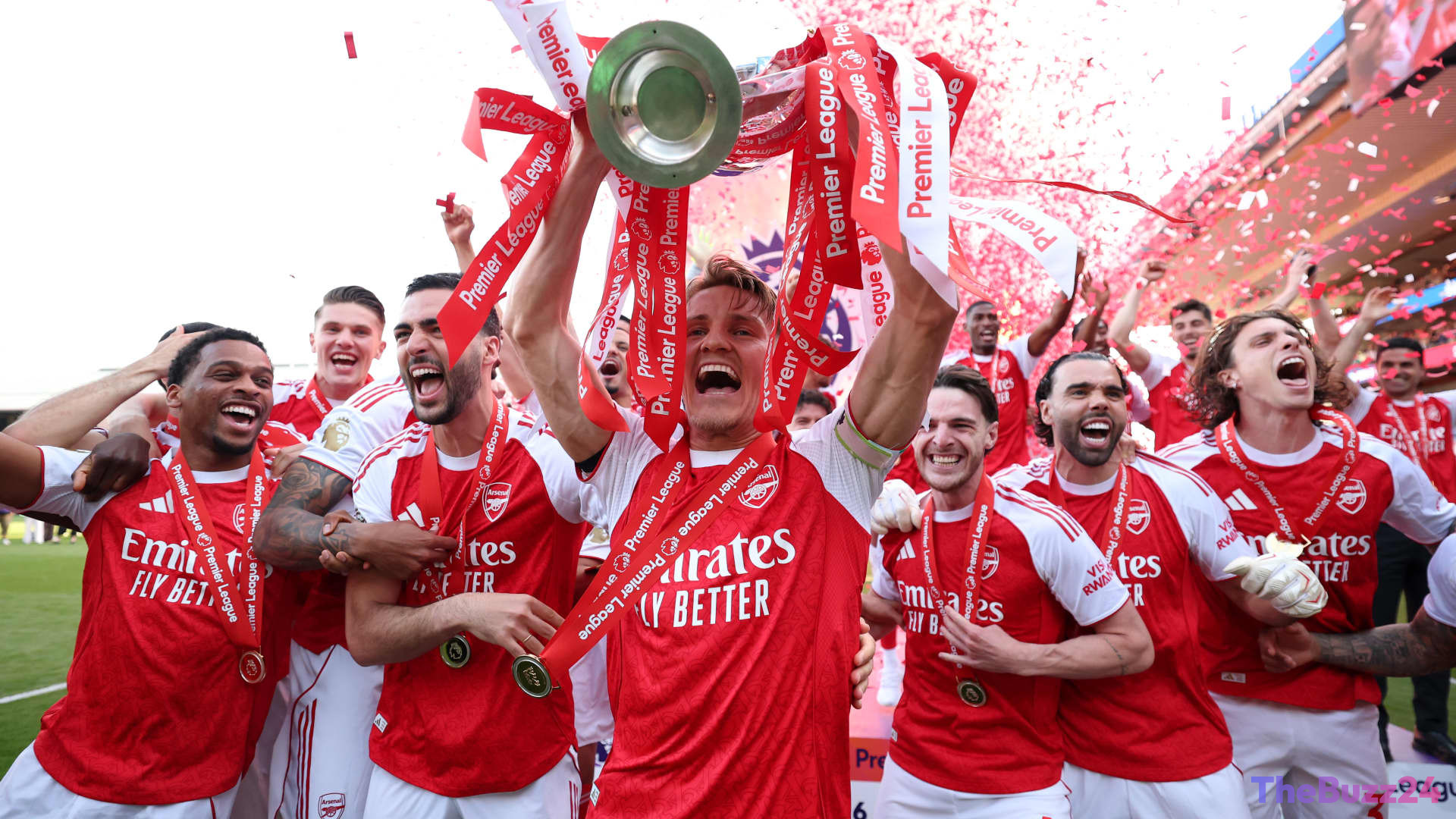
English Football’s Paradox: Triumphs Masking Deep-Seated Challenges
English football appears to be navigating a complex landscape, celebrating significant triumphs while grappling with underlying vulnerabilities. The Premier League recently crowned Arsenal as champions, marking the third different winner in as many seasons, a testament to its intense competitiveness compared to many European counterparts. Leagues in Spain, Germany, and France often see a duopoly or single-club dominance, whereas England, alongside Italy’s Serie A, boasts a more open title race. This domestic vibrancy is mirrored on the international stage, with English clubs like Aston Villa and Crystal Palace securing European titles, Chelsea holding the FIFA Club World Cup, and Arsenal reaching the Champions League final. The league’s financial prowess is also evident, commanding the highest TV rights revenues globally and featuring half of the world’s 30 richest clubs by revenue, including smaller teams like AFC Bournemouth, Brentford, and Brighton & Hove Albion.
However, beneath this veneer of success, concerns are mounting regarding the long-term health of the English game. A noticeable talent drain is occurring, with an increasing number of top English players opting to ply their trade abroad. Prominent figures such as England captain Harry Kane have moved to foreign clubs, and a significant portion of the national squad for the upcoming World Cup now plays outside England. This trend raises questions about the ability of domestic clubs to retain their star players and the potential impact on the quality of the Premier League itself.
Financially, the picture is also mixed. While revenues are high, profitability remains elusive for many. In the latest season for which figures are available, only four Premier League clubs—Newcastle, Aston Villa, Bournemouth, and Liverpool—reported a profit. Outside the top flight, numerous historic clubs have faced administration in recent years. The inherent risk of relegation, a feature absent in major American sports leagues, poses a significant deterrent for potential investors. The narrow escape from relegation by Tottenham Hotspur, one of the league’s biggest names, and the actual relegation of West Ham United, a long-serving club, highlight the financial jeopardy involved, potentially making prospective ownership less appealing. Clubs often resort to accounting strategies, such as sale and leasebacks of assets, to comply with financial fair play regulations, underscoring the pressure to maintain financial sustainability amidst intense competition and rising player costs.
Key Takeaways
- Despite global success and high competitiveness, English football faces a significant talent drain with more top players moving abroad.
- Financial stability is a concern, with many Premier League clubs struggling for profitability and the threat of relegation deterring potential investors.
- The Premier League maintains its status as a top-tier competition with high revenues and international success, but underlying issues could impact its long-term health.
Editor’s Analysis & Impact
The current state of English football presents a fascinating paradox: unparalleled global appeal and financial strength on one hand, and growing domestic challenges on the other. The talent drain could weaken the Premier League’s competitive edge over time, potentially impacting its attractiveness to broadcasters and sponsors if top-tier English talent consistently moves abroad. The financial fragility, particularly outside the elite few, raises questions about the sustainability of the football pyramid and the long-term viability of many clubs. Investor sentiment, especially from markets unfamiliar with relegation risks, may cool, affecting future ownership and capital injection. While the Premier League’s brand is robust, addressing these internal issues will be crucial to ensure its continued dominance and prevent a gradual erosion of its unique appeal.
Frequently Asked Questions
Q: What are the main signs of English football's current success?
A: English football, particularly the Premier League, is highly competitive, with multiple clubs vying for the title. English teams also perform strongly in international competitions, and the league boasts the highest TV rights revenues globally, with many clubs among the world's richest.
Q: What financial challenges are English football clubs facing despite their high revenues?
A: Despite high revenues, many Premier League clubs struggle with profitability, with only a few reporting profits in recent seasons. The risk of relegation poses a significant financial threat and can deter potential investors, while clubs often employ accounting strategies to meet financial fair play rules.
Q: How does the Premier League's competitiveness compare to other major European leagues?
A: The Premier League is considered one of Europe's most competitive leagues, with multiple different champions in recent years. This contrasts with leagues like Spain's La Liga, Germany's Bundesliga, and France's Ligue 1, which are often dominated by one or two clubs. Italy's Serie A is similarly competitive to the Premier League.
AI Disclosure: This article is based on verified data and official reports. Our Team and AI have cross-referenced every financial detail with primary sources to ensure total accuracy.
More from this Category