NATO Nuclear Expansion: Strategic Deterrence Shift Poised to Fuel Defense Sector Growth
The United States is reportedly exploring a significant expansion of its nuclear weapons-sharing program to include additional NATO member states across Europe. This strategic move, which would involve placing nuclear-capable assets in new territories, comes as the alliance seeks to bolster its deterrence posture in response to evolving security threats on the continent. Discussions are currently centered on nations along NATO’s eastern flank, including Poland and the Baltic states, which have expressed a growing interest in hosting advanced military capabilities to safeguard their borders.
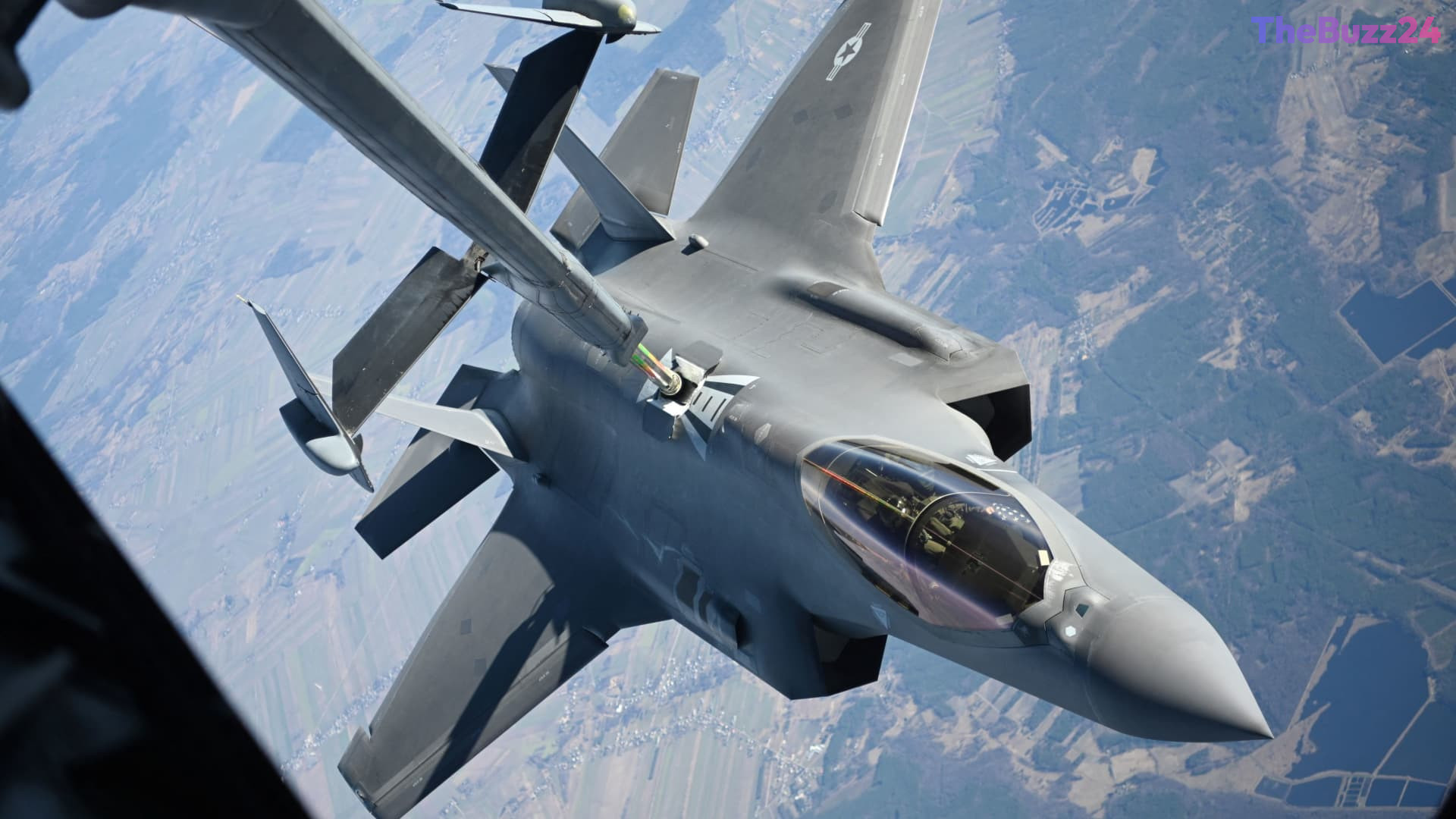
Central to this potential expansion is the deployment of dual-capable aircraft, specifically the F-35 Lightning II. These sophisticated jets are designed to carry both conventional and nuclear payloads, making them the cornerstone of modern aerial deterrence. As more nations look to join the nuclear-sharing framework, the demand for these aircraft, along with the necessary infrastructure and long-term maintenance, is expected to surge. This shift reflects a broader trend of European nations increasing their independent defense spending to reduce reliance on external security guarantees.
The industrial impact of such a policy shift would be substantial, providing a major boost to the global defense supply chain. Leading aerospace and defense contractors, including Lockheed Martin, BAE Systems, and Rolls-Royce, are positioned to see increased order volumes and extended service contracts. Beyond the primary manufacturers, the move would also benefit specialized firms like Northrop Grumman, RTX, and Qinetiq, which provide critical components and technical support for the next generation of dual-capable military hardware.
While NATO officials maintain that the alliance continuously adapts its deterrence posture to the current security environment, the potential for a wider nuclear footprint marks a pivotal moment in international relations. By strengthening the readiness of its members to defend every inch of allied territory, NATO is signaling a long-term commitment to regional stability. This transition not only reshapes the geopolitical landscape but also creates a robust economic runway for the defense industry for decades to come.
Key Takeaways
- The U.S. is considering expanding nuclear-sharing arrangements to more NATO members, particularly in Eastern Europe.
- The expansion would drive significant demand for dual-capable aircraft like the F-35, benefiting major defense contractors.
- European nations are aggressively increasing defense budgets to enhance self-reliance and regional deterrence.
Editor’s Analysis & Impact
The potential expansion of NATO’s nuclear-sharing program represents a fundamental shift in European security architecture. By moving nuclear deterrence capabilities closer to the Russian border, the alliance is signaling a more assertive stance in response to regional instability. For the defense industry, this is more than just a one-time sale; it represents a multi-decade commitment to high-tech infrastructure. The F-35 program, already a cornerstone of modern air power, will see its value proposition reinforced as the primary vehicle for this deterrence. Investors should watch for increased defense budget allocations in Poland and the Baltics, which could trigger a ripple effect across the global supply chain. However, this move also carries significant diplomatic risks, potentially escalating tensions and complicating future arms control negotiations.
Frequently Asked Questions
Q: Which countries currently participate in NATO's nuclear-sharing program?
A: Currently, the United Kingdom, Germany, Italy, the Netherlands, Belgium, and Turkey are the primary nations involved in the alliance's nuclear-sharing arrangements.
Q: What makes an aircraft 'dual-capable'?
A: A dual-capable aircraft, such as the F-35, is engineered with the technical systems and hardware necessary to deploy both conventional munitions and nuclear weapons.
Q: Which companies are most likely to benefit from this expansion?
A: Major defense firms involved in the F-35 supply chain, including Lockheed Martin, BAE Systems, Rolls-Royce, and Northrop Grumman, are expected to see increased demand for manufacturing and maintenance.
AI Disclosure: This article is based on verified data and official reports. Our Team and AI have cross-referenced every financial detail with primary sources to ensure total accuracy.
More from this Category