Escalating US-Iran Tensions Push Global Oil Prices Higher Amid Shipping Disruption Fears
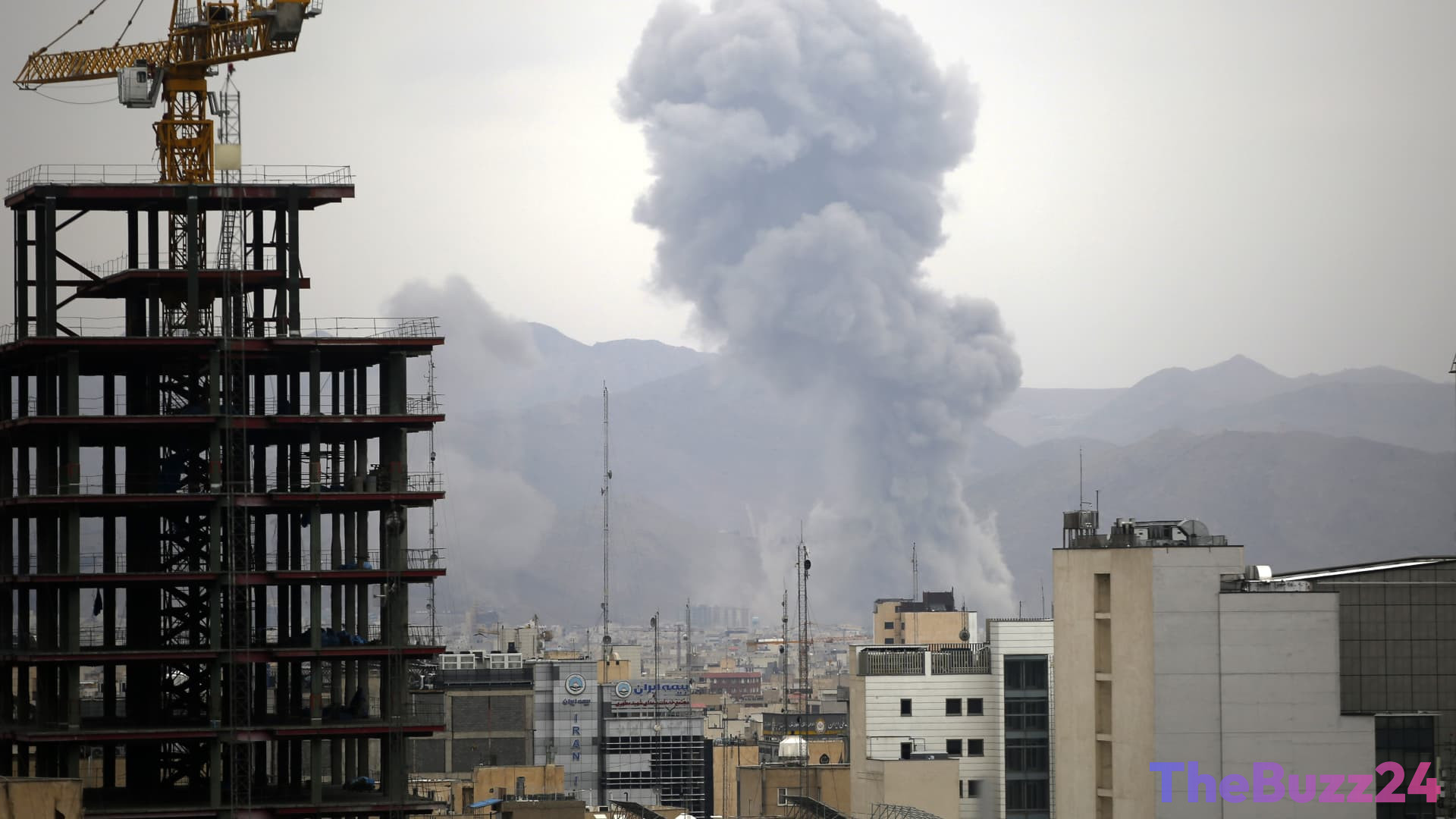
Global oil prices continued their upward trajectory on Thursday as escalating military tensions between the United States and Iran sparked fresh anxieties over potential supply disruptions in the Middle East. The market reaction follows recent military action by the U.S. Central Command, which launched targeted strikes against Iranian targets. These strikes were reportedly in retaliation for recent hostilities directed at commercial shipping vessels operating in and around the highly strategic Strait of Hormuz.
In response to the growing geopolitical friction, international benchmark Brent crude futures for September delivery climbed 1.03% to reach $78.82 per barrel. Similarly, U.S. West Texas Intermediate (WTI) crude futures for August delivery rose by 1.06%, trading at $74.29 per barrel. This upward movement builds on a significant surge from the previous session, where oil prices jumped by more than 4% as traders scrambled to price in the heightened geopolitical risk premium.
Adding fuel to the market’s anxiety, U.S. President Donald Trump indicated a sharp shift in foreign policy, signaling that he is no longer interested in pursuing diplomatic negotiations with Tehran. Trump further declared that the previous ceasefire agreement between the two nations is officially “over” following a series of attacks in the region. The Strait of Hormuz remains the primary focal point for energy markets; as one of the world’s most critical maritime chokepoints, even minor disruptions to transit can trigger disproportionately high increases in shipping freight costs, prompt pricing, and overall market volatility.
Key Takeaways
- U.S. military strikes on Iran following attacks on commercial shipping have heightened fears of energy supply disruptions.
- Oil benchmarks Brent and WTI both posted gains, continuing a rally that saw prices jump over 4% earlier in the week.
- President Donald Trump declared the ceasefire with Iran "over," signaling an end to diplomatic negotiations and raising geopolitical risks in the Strait of Hormuz.
Editor’s Analysis & Impact
The sudden escalation in U.S.-Iran hostilities underscores the persistent vulnerability of global energy supply chains to geopolitical shocks. The Strait of Hormuz serves as a vital artery for global oil transit, meaning any threat to shipping safety immediately translates into a risk premium for crude prices. With President Trump closing the door on diplomatic negotiations, the market must prepare for a prolonged period of instability. In the short term, we expect heightened volatility and elevated freight insurance costs, which will ultimately be passed down to consumers. If military exchanges intensify or lead to a physical blockade of the strait, oil prices could easily breach the $90-per-barrel mark, threatening global economic growth and complicating central bank efforts to manage inflation.
Frequently Asked Questions
Q: Why are U.S.-Iran tensions causing oil prices to rise?
A: Tensions are escalating near the Strait of Hormuz, a critical maritime chokepoint through which a significant portion of the world's oil passes. Military actions and threats to commercial shipping raise fears of supply bottlenecks, driving up prices.
Q: What did President Trump say about the situation?
A: President Trump indicated that he is no longer interested in negotiating a deal with Iran and declared that the ceasefire between the two nations is over following recent regional attacks.
Q: How much did oil prices increase?
A: Brent crude rose over 1% to $78.82 a barrel, and WTI crude increased over 1% to $74.29 a barrel, following a massive 4% surge in the preceding trading session.
AI Disclosure: This article is based on verified data and official reports. Our Team and AI have cross-referenced every financial detail with primary sources to ensure total accuracy.
More from this Category