Argentina’s Glacier Protection Overhaul Ignites Fierce Economic vs. Environmental Conflict
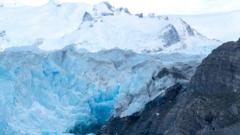
Argentina is currently embroiled in a heated national debate following significant legislative reforms that weaken the country’s long-standing protections for its glaciers. The 2010 Glacier Protection Law, once hailed as a pioneering global standard for environmental preservation, strictly banned commercial and industrial activities in periglacial zones to ensure the integrity of vital water sources. The new regulatory framework shifts this power, granting provincial governments the authority to designate which glaciers hold ‘strategic importance,’ a move that critics argue effectively clears the path for industrial mining in previously protected territories.
The administration of President Javier Milei has championed these changes as a necessary step to dismantle bureaucratic hurdles that have historically stifled economic growth. By easing these restrictions, the government hopes to attract massive capital inflows from global mining giants such as Glencore, Lundin, and BHP Group. The primary objective is to accelerate the extraction of copper and lithium, minerals that are increasingly sought after to support the global transition toward renewable energy. Proponents emphasize that provincial autonomy is key to unlocking regional prosperity and leveraging the nation’s vast natural resource wealth.
Conversely, the policy shift has triggered widespread condemnation from the scientific community, environmental activists, and local residents. Opponents maintain that the classification of glaciers is scientifically arbitrary, as all glacial formations play a critical role in maintaining river systems and regional water security. In agricultural hubs like Mendoza, where the economy relies heavily on Andean meltwater for viticulture and farming, there is profound anxiety that industrial mining operations could permanently contaminate or deplete essential water supplies. As the nation balances its fiscal ambitions against ecological stability, the conflict highlights a growing divide over the future of Argentina’s environmental legacy.
Key Takeaways
- Argentina has reformed its 2010 Glacier Protection Law, allowing provincial governments to reclassify glaciers and potentially permit mining in previously protected areas.
- The government aims to attract major international mining investment in copper and lithium to boost the national economy and support global energy transition goals.
- Environmentalists and local agricultural communities fear the reforms will lead to irreversible water shortages and ecological damage in critical Andean regions.
Editor’s Analysis & Impact
The legislative shift in Argentina represents a high-stakes gamble that pits immediate fiscal necessity against long-term ecological sustainability. By prioritizing the extraction of critical minerals like lithium and copper, the government is positioning Argentina to become a key player in the global green energy supply chain. However, this strategy carries significant reputational and operational risks. If mining activities lead to visible water scarcity or environmental degradation, the resulting social unrest could destabilize the very regions the government hopes to develop. Investors will likely monitor the situation closely, as the legal uncertainty surrounding ‘strategic importance’ designations could lead to protracted litigation. Ultimately, the success of this policy will depend on whether the government can implement rigorous oversight that satisfies both the demands of global mining conglomerates and the existential water security needs of local populations.
Frequently Asked Questions
Q: What was the purpose of the original 2010 Glacier Protection Law?
A: The 2010 law was designed to protect glaciers and periglacial environments by strictly prohibiting commercial and industrial activities in those areas to safeguard the country's vital water reserves.
Q: Why is the Argentine government loosening these protections?
A: The government aims to remove barriers to economic growth and attract billions of dollars in investment from major mining companies to boost the production of copper and lithium.
AI Disclosure: This article is based on verified data and official reports. Our Team and AI have cross-referenced every financial detail with primary sources to ensure total accuracy.
More from this Category