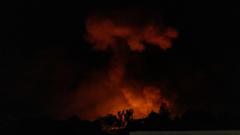
Deadly Explosions Rock Bujumbura Following Military Depot Disaster
A series of catastrophic explosions tore through a military ammunition depot in the Musaga suburb of Bujumbura, Burundi, late Tuesday night, resulting in a significant loss of life and widespread destruction. The blasts, which sent shockwaves across the capital city, have left at least 13 people dead and injured 57 others, including three military personnel who required immediate hospitalization. Initial findings from authorities point toward an electrical fault as the likely catalyst for the initial detonation, which subsequently triggered a chain reaction of secondary explosions.
The impact of the disaster was felt far beyond the immediate vicinity of the depot. Debris and shrapnel were propelled over five kilometers, causing severe structural damage to nearby homes, civilian vehicles, and critical infrastructure. The depot’s location near a densely populated residential zone and the Mpimba Central Prison meant that the blast radius affected a wide cross-section of the city, including inmates who sustained injuries during the event. For hours, thick smoke blanketed Bujumbura, forcing thousands of residents to flee in panic as the sound of intermittent blasts echoed through the night.
In response to the tragedy, President Evariste Ndayishimiye has issued a formal statement expressing his condolences to the victims and their families, promising that the government will provide necessary support for recovery efforts. Military officials have also called for public calm, urging citizens to remain vigilant and report any unexploded ordnance that may have been scattered by the force of the blasts. As the city begins the difficult process of assessing the damage, local authorities are focused on securing the area and ensuring that the immediate threat to the public has been neutralized.
Key Takeaways
- At least 13 people were killed and 57 injured following a series of explosions at a military ammunition depot in Bujumbura.
- Preliminary investigations suggest an electrical fault triggered the initial blast, which caused damage up to five kilometers away.
- The government has pledged support for victims and urged residents to report any unexploded ordnance found in the area.
Editor’s Analysis & Impact
The disaster in Bujumbura highlights the significant risks associated with maintaining high-capacity military storage facilities within densely populated urban environments. Beyond the immediate humanitarian tragedy, the incident raises critical questions regarding safety protocols, infrastructure maintenance, and urban planning in the region. The economic impact will likely be substantial, as the government must now divert resources toward emergency medical care, structural repairs, and the potential relocation of hazardous military assets. Moving forward, the incident will likely trigger a broader national debate on the proximity of military installations to civilian hubs. The long-term stability of the capital will depend on how transparently the government handles the investigation and how effectively it manages the recovery process to restore public confidence in safety and security measures.
Frequently Asked Questions
Q: What caused the explosions in Bujumbura?
A: Preliminary investigations suggest that an electrical fault at the military ammunition depot triggered the initial detonation.
Q: How far did the damage from the blast extend?
A: The force of the explosions sent shrapnel and debris flying over five kilometers from the site, damaging homes, vehicles, and nearby infrastructure.
Q: Are there still risks to the public in the area?
A: Military officials have urged residents to remain cautious and report any unexploded ordnance that may have been scattered by the blasts.
AI Disclosure: This article is based on verified data and official reports. Our Team and AI have cross-referenced every financial detail with primary sources to ensure total accuracy.
More from this Category