Fanatics CEO Michael Rubin Outlines Strategic Boundaries for Future Growth
Fanatics has rapidly evolved from a niche online sports apparel retailer into a dominant global sports platform. Under the leadership of CEO Michael Rubin, the company has expanded its reach into collectibles, sports betting, and prediction markets, with projected revenues nearing $14 billion this year. As the firm continues to scale, Rubin envisions Fanatics becoming the most valuable entity in the sports industry by acting as a comprehensive digital hub for fan engagement.
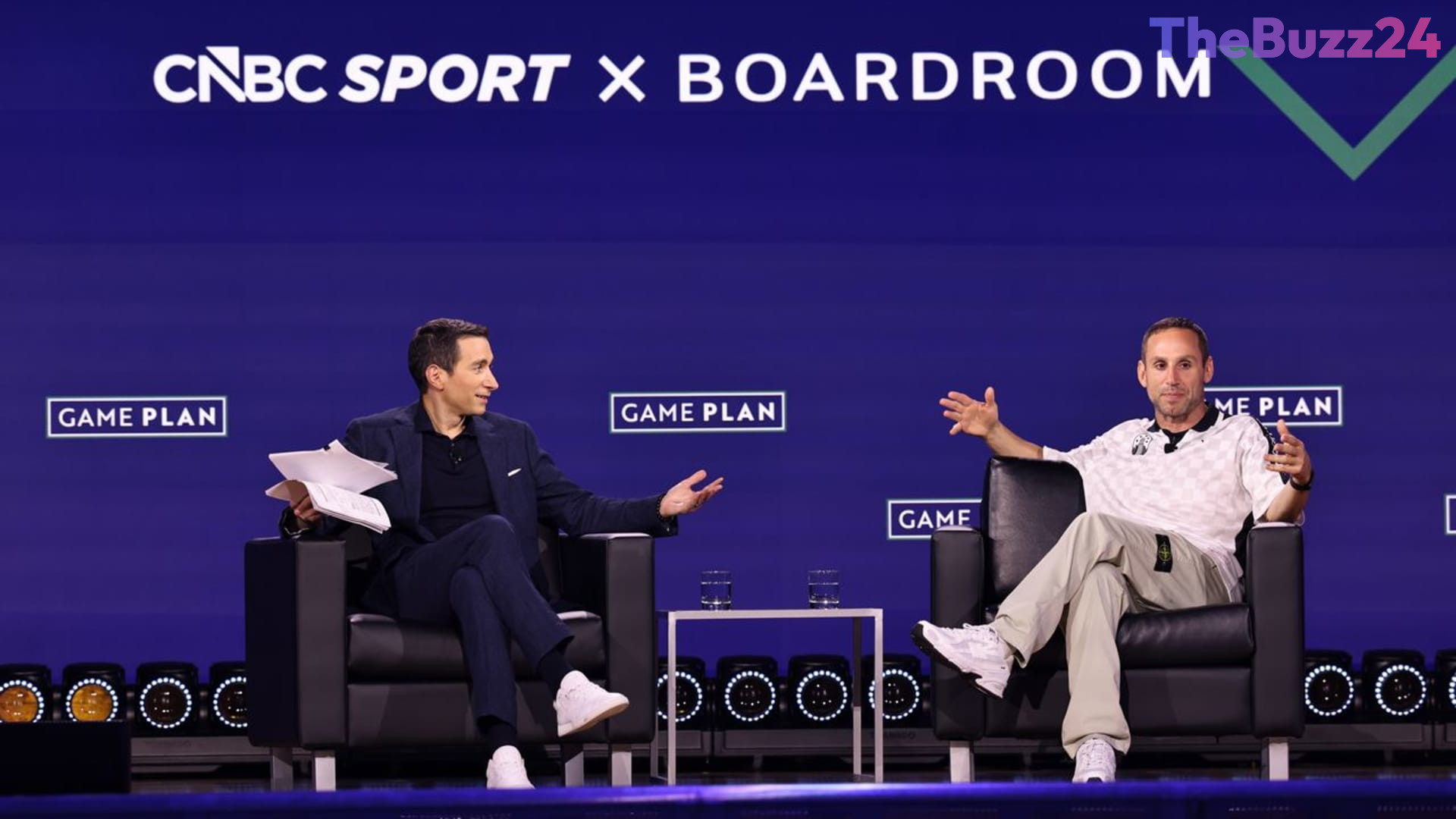
Despite this aggressive expansion, Rubin has clearly defined the boundaries of the company’s future trajectory. During a recent industry summit, he confirmed that Fanatics will avoid entering the ticketing and live sports broadcasting sectors. Rubin characterized the ticketing industry as overly complex and competitive, noting that the economic structure favors content providers and teams rather than platforms. Regarding broadcasting, he expressed a preference to remain an observer, citing the saturation of major players already dominating that space.
This strategic clarity follows a period of public scrutiny regarding product quality, specifically concerning NHL and MLB jersey designs. Rubin described these challenges as pivotal moments that forced the company to refine its corporate identity. Moving forward, the organization is pivoting toward a “brand purpose” centered on relentlessly enhancing the fan experience. By prioritizing customer sentiment over pure revenue growth, Rubin aims to transition the company from being merely a large market player to becoming a beloved brand in the eyes of sports enthusiasts worldwide.
Key Takeaways
- Fanatics is projected to reach $14 billion in revenue this year as it expands across merchandise, collectibles, and betting.
- CEO Michael Rubin has explicitly ruled out expansion into the ticketing and live sports broadcasting industries.
- The company is shifting its corporate focus toward 'relentlessly enhancing the fan experience' following public criticism of its jersey manufacturing.
Editor’s Analysis & Impact
Fanatics is currently at a critical inflection point as it attempts to transition from a high-growth startup to a legacy-defining sports conglomerate. By publicly rejecting the ticketing and broadcasting sectors, Rubin is signaling a disciplined approach to capital allocation, focusing instead on high-margin, direct-to-consumer touchpoints like betting and collectibles. This strategy mitigates the risk of entering low-margin, high-friction industries where customer satisfaction is notoriously low. The emphasis on ‘being beloved’ rather than just ‘being big’ suggests a long-term play for brand loyalty, which is essential for maintaining dominance in the volatile sports retail market. If successful, this pivot could insulate the company from the commoditization of sports apparel and create a sustainable ecosystem that captures the entire lifecycle of a sports fan’s spending habits.
Frequently Asked Questions
Q: Why is Fanatics avoiding the ticketing business?
A: CEO Michael Rubin stated that the ticketing industry is overly complex, highly competitive, and structured in a way that the majority of profits go to teams and artists rather than the platform itself.
Q: What is the current revenue trajectory for Fanatics?
A: The company is expected to approach $14 billion in revenue this year, a significant increase from the $8 billion reported in 2024.
Q: How has recent criticism of jersey quality impacted Fanatics?
A: Public backlash regarding NHL and MLB jersey designs served as a catalyst for the company to adopt a new 'brand purpose,' which prioritizes enhancing the fan experience over simply pursuing new revenue streams.
AI Disclosure: This article is based on verified data and official reports. Our Team and AI have cross-referenced every financial detail with primary sources to ensure total accuracy.
More from this Category