Digital Asset Markets Face February Correction as Institutional Flows Shift
The digital asset market faced a challenging start to February 2026, characterized by a significant correction that saw major cryptocurrencies retreat to levels not seen since before the 2024 spot ETF approvals. Bitcoin experienced a notable dip below the $61,000 threshold, while Ethereum and Solana saw declines of 34% and 35% respectively. This period of volatility was largely driven by a broader risk-off sentiment, as investors pivoted toward traditional safe-haven assets like gold, which climbed 15% year-to-date amid ongoing geopolitical and economic uncertainty.
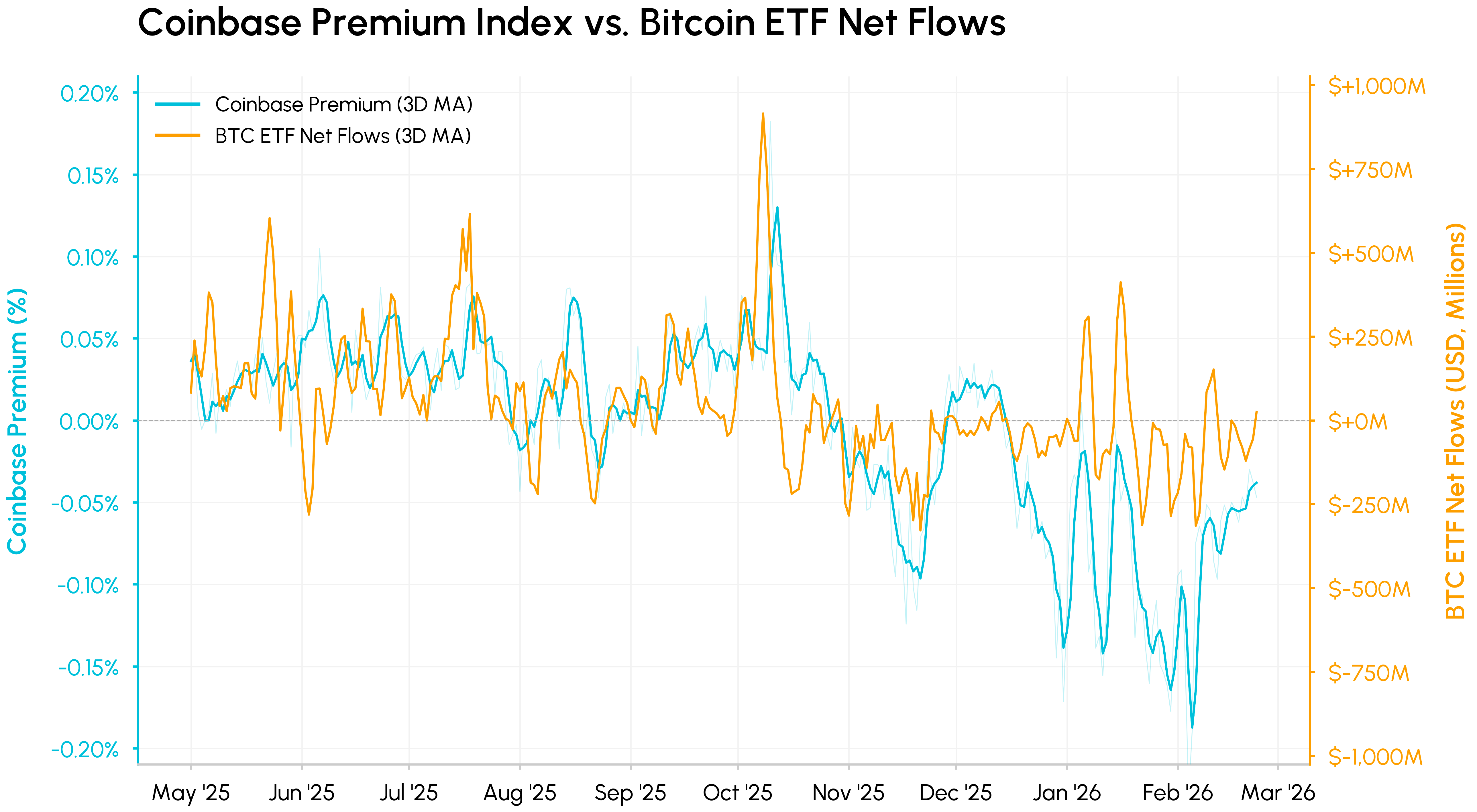
Liquidity concerns played a central role in the market’s performance throughout the month. Data from the Coinbase Premium Index indicated sustained selling pressure from U.S. investors, while spot Bitcoin ETFs saw cumulative net outflows exceeding $4 billion. This lack of fresh institutional capital, combined with a contraction in order book depth and stagnant stablecoin supply growth, left the market vulnerable to price dislocations. During this period, digital assets largely mirrored the performance of high-beta growth equities, reacting sharply to macroeconomic shifts and the rapid evolution of artificial intelligence.
Despite the bearish price action, the underlying infrastructure of the digital asset ecosystem continued to mature. Innovations in real-world asset (RWA) tokenization and on-chain finance remained a bright spot. Platforms like Hyperliquid expanded their offerings to include commodities and equity indices, while major financial institutions like BlackRock and Apollo Global Management deepened their engagement with DeFi protocols. Furthermore, regulatory developments, such as the CME’s move toward 24/7 futures trading, suggest that policymakers are increasingly adapting to the always-on nature of the crypto market, laying the groundwork for future institutional integration.
Key Takeaways
- Major cryptocurrencies saw significant price corrections in February 2026, with Bitcoin falling below $61,000 and spot ETFs recording over $4 billion in outflows.
- Macroeconomic factors, including a flight to gold and high-beta equity sell-offs, contributed to reduced liquidity and increased volatility across the crypto sector.
- Despite market weakness, institutional adoption and RWA tokenization continue to advance, with major firms like BlackRock and Apollo integrating deeper into DeFi infrastructure.
Editor’s Analysis & Impact
The February 2026 market correction highlights a critical transition phase for the digital asset industry. While the price action reflects a classic ‘risk-off’ environment driven by macroeconomic headwinds and a temporary reversal of institutional inflows, the structural progress remains robust. The shift toward cash-flow-oriented DeFi protocols and the expansion of on-chain perpetual markets for traditional assets suggest that the industry is moving beyond speculative trading toward becoming a legitimate layer of global financial infrastructure. The future outlook remains cautiously optimistic; as regulatory frameworks like the CLARITY Act evolve and liquidity conditions stabilize, the integration of tokenized real-world assets will likely serve as the primary catalyst for the next cycle of institutional adoption. The market is currently decoupling from pure speculation and aligning more closely with traditional financial utility.
Frequently Asked Questions
Q: Why did Bitcoin and other cryptocurrencies decline in February 2026?
A: The decline was primarily driven by a shift in investor sentiment toward safe-haven assets like gold, reduced liquidity in U.S. spot markets, and significant outflows from spot Bitcoin ETFs.
Q: Are there positive signs for the crypto market despite the price drop?
A: Yes, structural advancements continue, including the tokenization of real-world assets, increased institutional participation from firms like BlackRock, and the expansion of on-chain perpetual markets for commodities and equities.
AI Disclosure: This article is based on verified data and official reports. Our Team and AI have cross-referenced every financial detail with primary sources to ensure total accuracy.
More from this Category