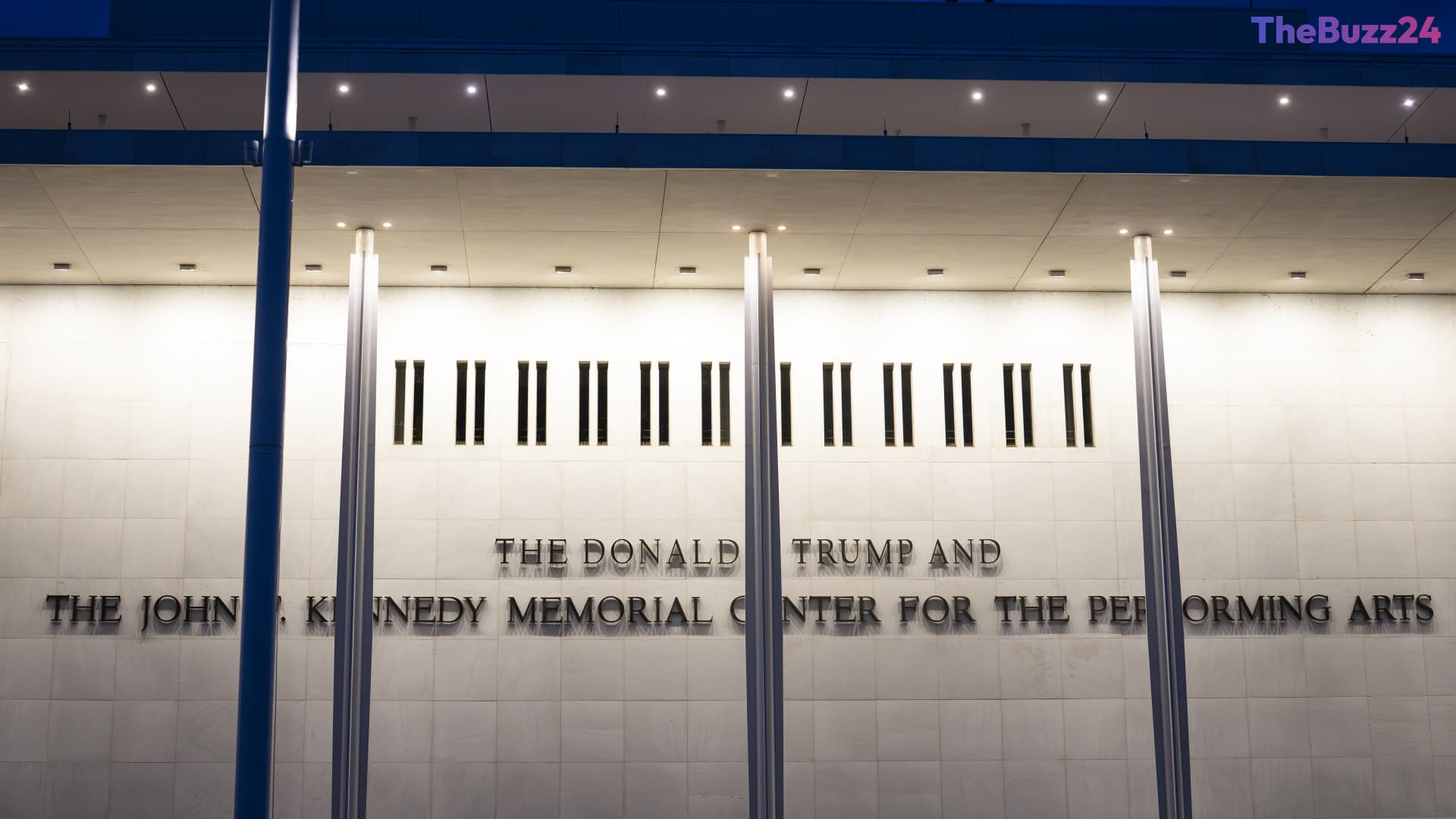
Federal Court Blocks Kennedy Center Rebranding and Facility Closure
A federal judge has issued a decisive ruling preventing the unauthorized renaming of the John F. Kennedy Center for the Performing Arts. U.S. District Court Judge Christopher Cooper ordered the immediate removal of any signage indicating a change to the ‘Trump Kennedy Center,’ clarifying that the legal authority to alter the name of the historic institution resides exclusively with Congress. The court has mandated that all unauthorized branding be dismantled within two weeks.
In addition to the naming dispute, the court addressed a controversial proposal to shutter the facility for a two-year renovation period. Judge Cooper granted a temporary injunction against the closure, determining that the Board of Trustees failed to provide sufficient justification for the shutdown or demonstrate that it met its fiduciary obligations to the public. While the administration maintained that the closure was required for urgent safety repairs, the court ruled that essential maintenance could proceed without necessitating a total cessation of operations.
The legal action was brought forward by Representative Joyce Beatty, an ex officio trustee, who successfully argued that her voting rights had been improperly curtailed by the board. The court ruled in her favor, ordering the immediate restoration of her administrative participation. Judge Cooper emphasized that the center’s governing statutes do not permit the board to discriminate against trustees or bypass established legislative oversight regarding the institution’s identity and operational status.
Key Takeaways
- A federal judge ruled that the Kennedy Center cannot be renamed without Congressional approval.
- The court issued an injunction preventing a proposed two-year closure of the performing arts center.
- Representative Joyce Beatty successfully regained her voting rights as an ex officio trustee following the court's intervention.
Editor’s Analysis & Impact
This ruling serves as a significant check on executive overreach regarding the management of federally chartered cultural institutions. By asserting that the Kennedy Center’s identity and operational status are subject to Congressional oversight rather than unilateral board decisions, the court has reinforced the importance of statutory governance. The decision to block the two-year closure suggests that administrative attempts to bypass public accountability under the guise of ‘maintenance’ will face rigorous judicial scrutiny. Moving forward, this case sets a precedent that protects historical landmarks from politically motivated rebranding and ensures that ex officio trustees maintain their oversight roles. The broader implication is a stabilization of the center’s governance, preventing sudden, disruptive changes that could alienate donors, patrons, and the public, while ensuring that essential infrastructure repairs proceed through transparent, legally sound channels.
Frequently Asked Questions
Q: Can the Kennedy Center still undergo repairs following the ruling?
A: Yes. The court's injunction specifically blocks the two-year closure of the facility but does not prevent the administration from conducting essential capital repair work.
Q: Why was the name change to the 'Trump Kennedy Center' blocked?
A: The court ruled that the authority to rename the institution belongs exclusively to Congress, meaning the Board of Trustees did not have the legal power to unilaterally change the name.
AI Disclosure: This article is based on verified data and official reports. Our Team and AI have cross-referenced every financial detail with primary sources to ensure total accuracy.
More from this Category