Federal Judge Denies Trump’s Bid to Move Hush Money Conviction to Federal Court
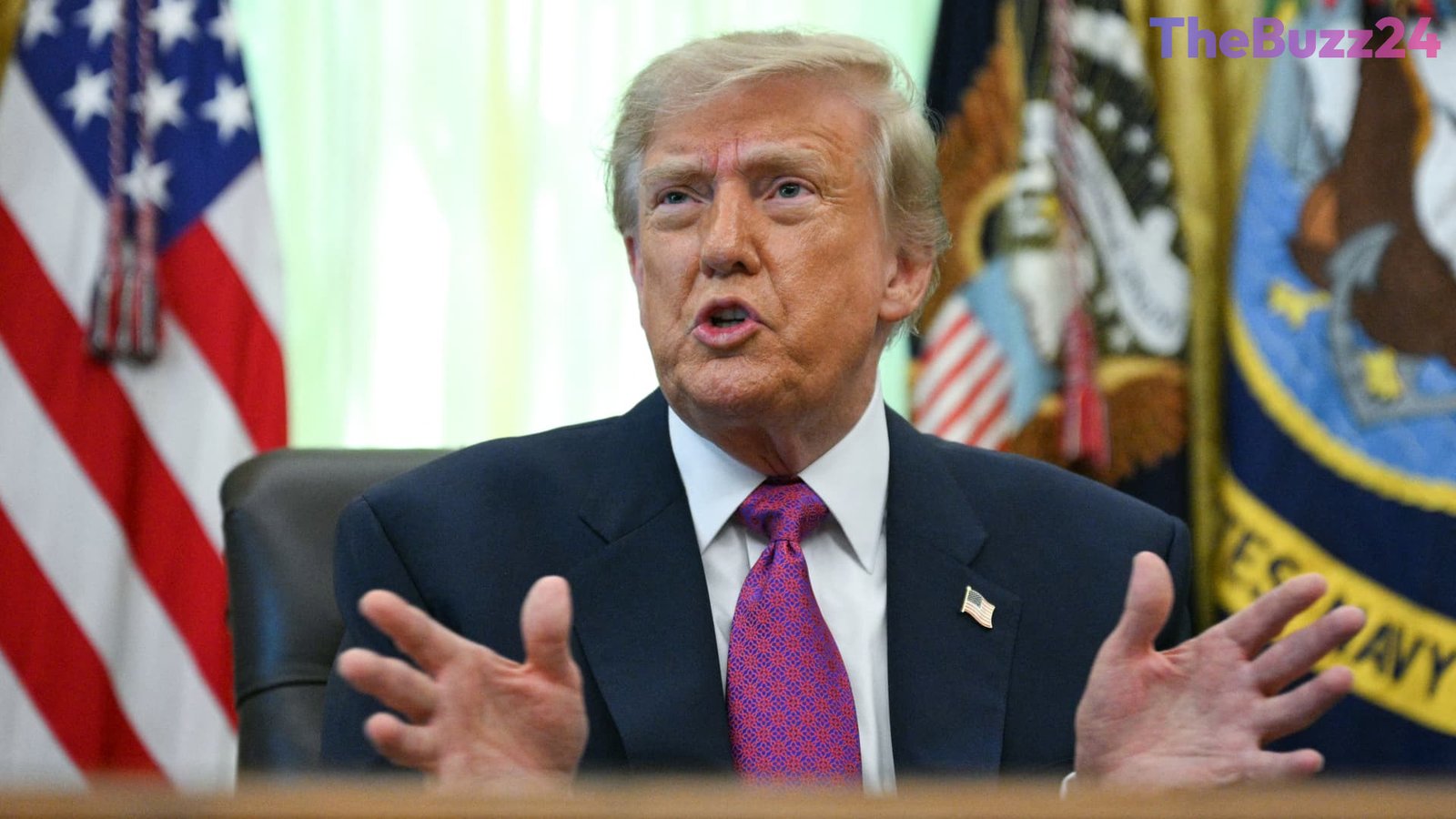
A federal judge has once again rejected an attempt by Donald Trump to transfer his New York state criminal hush money case to federal court. Judge Alvin Hellerstein issued the ruling on Friday, marking the third time the court has denied the request to move the proceedings from the state level to the U.S. District Court in Manhattan. The decision comes after a federal appeals court had previously ordered a reconsideration of the matter in light of a Supreme Court ruling regarding presidential immunity.
In his written opinion, Judge Hellerstein emphasized that the hush money payments and the subsequent efforts to conceal them do not constitute official presidential acts. He explicitly stated that discussions regarding payments to keep an adult film star quiet are not protected by presidential immunity. Furthermore, the judge noted that the request for removal was filed far too late, occurring well after the May 2024 conviction and the sentencing that followed in early 2025.
Beyond the merits of the immunity claim, the court criticized the procedural timing of the motion. Judge Hellerstein remarked that a defendant cannot attempt to play one court system against another, seeking to remove a case only after unfavorable developments have already occurred. Following the ruling, legal representatives for Trump confirmed their intention to appeal the decision to the 2nd Circuit U.S. Court of Appeals, maintaining that the conviction should be dismissed based on constitutional grounds.
Key Takeaways
- Judge Alvin Hellerstein denied Donald Trump’s third attempt to move his New York hush money conviction to federal court.
- The court ruled that hush money payments and cover-up efforts do not qualify as official presidential acts protected by immunity.
- Trump’s legal team has signaled they will appeal the decision to the 2nd Circuit U.S. Court of Appeals.
Editor’s Analysis & Impact
The repeated denial of this transfer request underscores the judiciary’s firm stance on the limitations of presidential immunity, particularly regarding conduct that predates or exists outside the scope of official duties. By categorizing the hush money payments as personal rather than official acts, the court has effectively narrowed the potential for the Supreme Court’s immunity precedent to be used as a shield in state-level criminal proceedings. This ruling maintains the integrity of the state conviction while setting a clear boundary for future legal challenges involving high-ranking officials. The ongoing appeals process will likely continue to test the intersection of state criminal law and federal constitutional protections, creating a significant legal precedent that will influence how future executive conduct is scrutinized in the courtroom.
Frequently Asked Questions
Q: Why did the judge deny the request to move the case to federal court?
A: Judge Hellerstein ruled that the hush money payments were not official presidential acts and that the request for removal was filed too late in the legal process.
Q: What is the next step for Trump’s legal team regarding this ruling?
A: Trump’s lawyers have announced they will file an appeal of the decision with the 2nd Circuit U.S. Court of Appeals.
AI Disclosure: This article is based on verified data and official reports. Our Team and AI have cross-referenced every financial detail with primary sources to ensure total accuracy.
More from this Category