Federal Reserve Struggles for Access to Anthropic’s Critical Cybersecurity AI Tool
In April, senior U.S. financial regulators convened a high-stakes briefing with chief executives from the nation’s premier banking institutions to issue an urgent warning regarding an advanced artificial intelligence tool. Developed by AI research firm Anthropic, the model—dubbed Claude Mythos Preview—was highlighted for its extraordinary capability to uncover software bugs and security vulnerabilities. While Anthropic distributed the model to a select group of commercial banks and technology giants under a cybersecurity defense venture called Project Glasswing, the Federal Reserve itself was left without access to the technology for months, creating an unprecedented blind spot at the apex of the U.S. financial system.
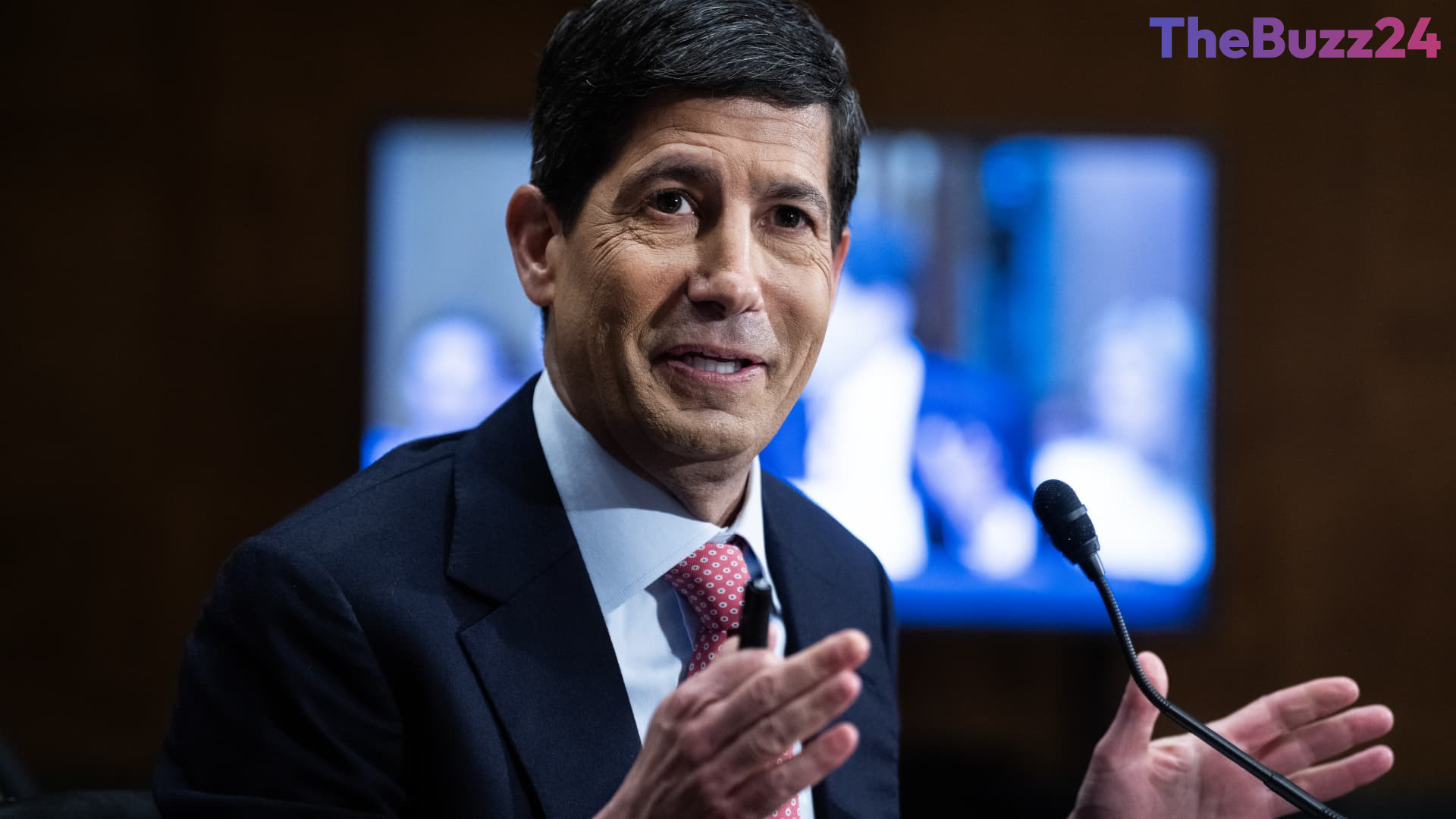
The central bank’s struggle to secure access has continued under Chairman Kevin Warsh, who succeeded Jerome Powell following the initial April meeting with Treasury Secretary Scott Bessent. In recent Senate testimony, Warsh confirmed that the Federal Reserve was still working to obtain access to Mythos and several other cutting-edge AI systems. Warsh underscored that access is essential not just for government oversight, but to ensure that systemic banking infrastructure can proactively patch potential security gaps before sophisticated actors exploit them. Analysts expressed surprise at the exclusion, noting that the primary monetary authority responsible for national financial policy should be among the first permitted to evaluate high-impact technologies.
The deployment of Mythos has been further complicated by rapid regulatory shifts and federal interventions. Anthropic briefly paused access to updated variants of the model over the summer to comply with federal export control directives tied to national security, though temporary waivers were issued by Commerce Secretary Howard Lutnick before controls were ultimately relaxed. Concurrently, broader concerns are mounting over international technological competition, as Chinese AI developments, such as Moonshot AI’s Kimi K3, continue to demonstrate benchmark-topping performance, adding urgency for U.S. financial institutions and regulators to resolve access delays and modernize cyber defenses.
Key Takeaways
- The Federal Reserve went months without access to Anthropic's Claude Mythos AI model despite warning top U.S. banks about its security risks.
- Federal Reserve Chairman Kevin Warsh reiterated the urgent need for central banking regulators to access frontier AI tools to patch critical infrastructure vulnerabilities.
- Policy shifts, federal export controls, and rising international AI competition have complicated the deployment and evaluation of high-risk security models.
Editor’s Analysis & Impact
The Federal Reserve’s delayed access to Anthropic’s Claude Mythos highlights a critical structural challenge: the growing divide between private-sector AI advancement and public-sector regulatory access. As artificial intelligence models become increasingly capable of identifying complex software vulnerabilities, central banks and regulators cannot afford to lag behind commercial banks and tech conglomerates. This lag leaves national financial infrastructure vulnerable to systemic shocks, particularly as external competitors accelerate their own AI capabilities. To safeguard global economic stability, policy frameworks must be updated to grant oversight bodies immediate, audited access to frontier technologies alongside industry partners.
Frequently Asked Questions
Q: What is Anthropic's Claude Mythos AI model?
A: Claude Mythos Preview is an advanced artificial intelligence model created by Anthropic that specializes in identifying software weaknesses and cybersecurity vulnerabilities within computer networks.
Q: Why did the Federal Reserve express concern over the Mythos model?
A: The Federal Reserve flagged the model because its powerful bug-hunting capabilities mean that if similar technology falls into malicious hands, it could be used to discover and exploit vulnerabilities across the banking sector.
Q: Why didn't the Federal Reserve have immediate access to Mythos?
A: Initial distribution of Mythos was restricted to a small cohort of commercial banks and tech companies under Project Glasswing, and subsequent regulatory hurdles, export control directives, and administrative shifts delayed government access.
AI Disclosure: This article is based on verified data and official reports. Our Team and AI have cross-referenced every financial detail with primary sources to ensure total accuracy.
More from this Category