Five Years Under Taliban Rule: Afghan Women Describe Lives Unrecognizably Diminished
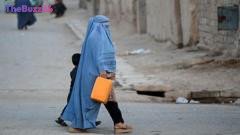
Five years after the Taliban regained control of Afghanistan, women and girls across the nation are reporting that their lives have been fundamentally altered and severely restricted. Since the hard-line Islamist group’s return to power in 2021, the rights of the country’s 22 million women have been systematically curtailed. These restrictions span education, freedom of movement, and even personal safety, painting a stark picture of daily existence for many.
Testimonies from women in both urban centers like Kabul and rural areas reveal a profound sense of loss and a struggle for survival. Many have been forced to abandon educational aspirations and future dreams due to overwhelming poverty and daily hardships. The Taliban’s foreign minister has acknowledged some restrictions but asserted that women are not “totally restricted on all walks of life.” However, the lived experiences shared suggest that the limitations impact nearly every facet of their lives, making it difficult for their stories to be heard. Fear of reprisal has led many to use pseudonyms to protect themselves.
Afghanistan now stands as the sole country globally where girls are officially barred from secondary and higher education. The impact is deeply personal, with individuals recounting the profound pain of seeing their ambitions, such as becoming a pilot or pursuing higher learning, become seemingly unattainable. Beyond education, women face significant barriers in employment, with only a small percentage currently working, after being excluded from numerous professions and fields of study. The consequences extend to healthcare, where restrictions on female medical professionals contribute to a high maternal mortality rate, leaving families devastated.
Despite the pervasive challenges, glimmers of hope persist. Some women are actively working to create opportunities for others, establishing businesses and advocating for their rights. These individuals emphasize the importance of international attention and solidarity, urging the global community not to forget the plight of Afghan women and girls and to support their fundamental rights to education and work. Their resilience underscores a deep-seated desire for a future where their voices are heard and their potential is realized.
Key Takeaways
- Women in Afghanistan report drastically altered lives five years into Taliban rule, with significant restrictions on education, movement, and employment.
- Afghanistan is the only country where girls are officially banned from secondary and higher education, impacting future prospects and personal ambitions.
- Despite severe challenges, some Afghan women are demonstrating resilience by creating employment opportunities and advocating for their rights, urging international support.
Editor’s Analysis & Impact
The situation for women in Afghanistan under Taliban rule represents a significant global concern, highlighting a severe rollback of human rights. The systematic erosion of educational and professional opportunities not only impacts individual lives but also has long-term implications for Afghanistan’s social and economic development. The Taliban’s narrative of limited restrictions contrasts sharply with the lived realities reported by women, underscoring a disconnect that requires continued international scrutiny. The resilience shown by some women in creating their own opportunities is commendable, but sustainable change will likely depend on broader policy shifts and consistent international pressure advocating for gender equality and fundamental freedoms.
Frequently Asked Questions
Q: What are the main restrictions faced by women in Afghanistan under the Taliban?
A: Women face severe restrictions including bans on secondary and higher education for girls, limitations on travel without a male chaperone, exclusion from many workplaces and fields of study, and the resumption of public corporal punishments. Access to healthcare is also impacted due to restrictions on female medical professionals.
Q: What is the Taliban's official stance on women's rights and restrictions?
A: The Taliban's foreign minister has stated that women are not "totally restricted on all walks of life" and that a significant number of girls attend schools and madrassas. He claims only a "small part" of women's affairs is restricted "until further notice," while also citing an increase in female entrepreneurs.
Q: Are there any signs of hope or resistance from Afghan women?
A: Yes, some women are actively pursuing education and employment despite the challenges. They are starting their own businesses to provide opportunities for other women and are urging the international community to advocate for their rights to education and work, emphasizing the need for global attention and solidarity.
AI Disclosure: This article is based on verified data and official reports. Our Team and AI have cross-referenced every financial detail with primary sources to ensure total accuracy.
More from this Category