Forensic Experts Confirm Use of Pellet Guns Against Protesters in Delhi
Independent ballistic and forensic experts have confirmed that injuries sustained by demonstrators during recent protests in India’s capital were caused by pellet-gun fire. The unrest, which occurred on July 20, saw tens of thousands of Cockroach Janta Party (CJP) supporters march toward parliament to demand education reforms and the resignation of the education minister. While official reports initially denied the use of such weaponry, medical evidence and expert analysis suggest a different reality.
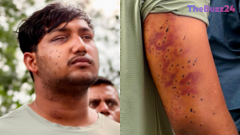
Photographic evidence and X-rays from multiple victims show distinct, tiny circular punctures consistent with birdshot—a type of ammunition typically used for hunting. UK-based ballistics expert Philip Boyce identified the injuries as being caused by a 12-gauge pump-action shotgun. These weapons, which fire hundreds of small metal pellets in a wide arc, are considered highly dangerous and are banned or strictly restricted in many jurisdictions due to their potential for causing permanent disability or death.
Victims, including a 19-year-old student and a journalist, have shared accounts of being struck while attempting to flee security forces. Medical records indicate that some individuals have dozens of pellets lodged in their bodies, with surgeons noting that removing them is often too risky. Despite these findings, government officials have maintained that no bullets were fired, focusing their statements on the use of tear gas while remaining silent on the specific deployment of pellet-firing shotguns.
If confirmed, this incident marks a significant escalation in crowd-control tactics within the capital. While pellet guns have been utilized in other regions of India for over a decade, their application against citizens in Delhi represents a new and controversial development. As the debate intensifies, opposition leaders are calling for accountability, while victims continue to suffer from the long-term physical and psychological trauma caused by the indiscriminate nature of the weaponry.
Key Takeaways
- Independent ballistics experts confirmed that protesters in Delhi were wounded by birdshot pellet guns, contradicting official government denials.
- The injuries, which include dozens of embedded metal pellets, pose long-term health risks and potential for permanent disability, such as blindness.
- This marks the first reported instance of pellet-gun usage for crowd control within India's capital, sparking intense political debate and demands for accountability.
Editor’s Analysis & Impact
The use of pellet guns for crowd control remains a highly contentious issue globally, primarily due to the weapon’s inherent lack of precision and high potential for causing life-altering injuries. By deploying birdshot in a densely populated urban environment like Delhi, security forces risk significant reputational damage and a loss of public trust. The market for ‘less-lethal’ weaponry is under increasing scrutiny as human rights organizations push for stricter international standards. Moving forward, the Indian government faces a difficult path in balancing internal security requirements with the growing demand for democratic accountability. The potential for legal challenges and international condemnation could force a policy shift, potentially leading to the phasing out of these weapons in favor of less destructive crowd-control technologies, though such a transition remains unlikely without sustained political pressure.
Frequently Asked Questions
Q: What are pellet guns and why are they controversial?
A: Pellet guns, often loaded with 'birdshot,' fire hundreds of small metal projectiles simultaneously. They are controversial because they are indiscriminate, meaning they cannot target specific individuals, and they frequently cause severe, permanent injuries like blindness or deep-tissue damage.
Q: Has the Indian government admitted to using these weapons in Delhi?
A: No. While government officials have acknowledged the use of tear gas, they have denied the use of 'bullets' and have not officially confirmed the deployment of pellet guns, despite forensic evidence provided by medical professionals and independent experts.
AI Disclosure: This article is based on verified data and official reports. Our Team and AI have cross-referenced every financial detail with primary sources to ensure total accuracy.
More from this Category