From Emergency Medicine to Orbit: Astronaut Anil Menon Prepares for First ISS Mission
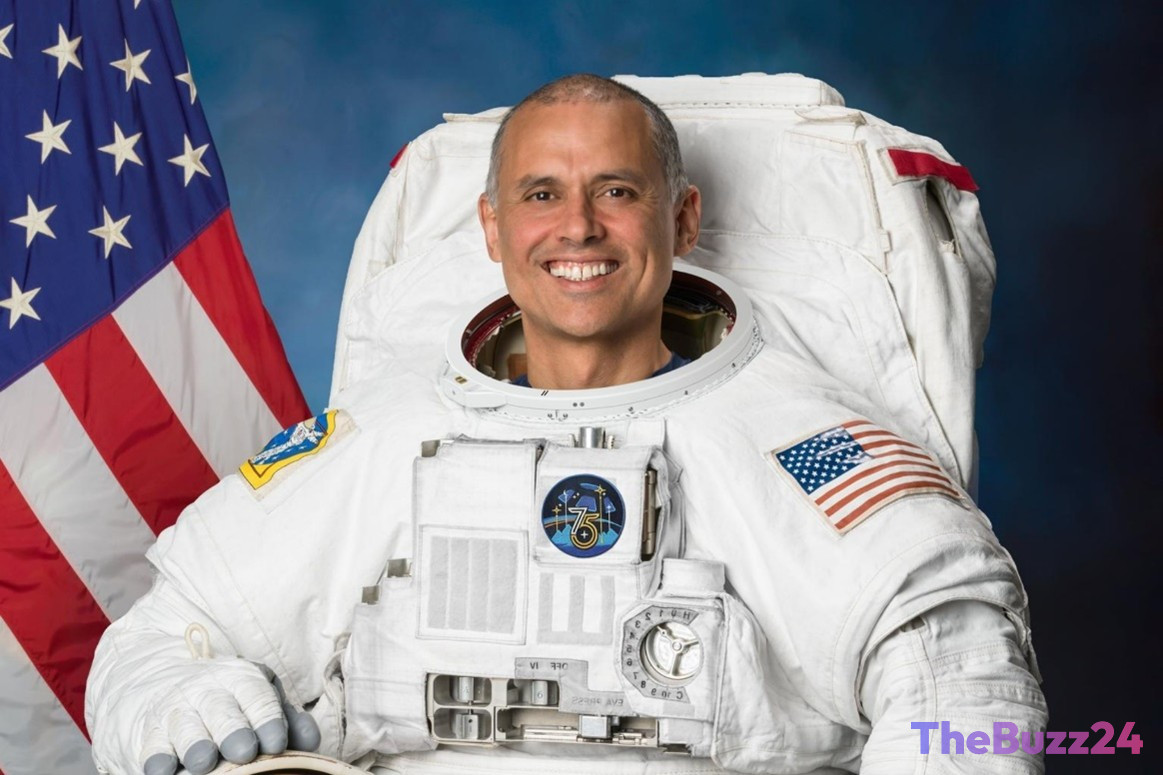
Astronaut Anil Menon is gearing up for his maiden voyage to the International Space Station (ISS) as part of the upcoming Expeditions 74/75. Ahead of his scheduled launch, Menon will participate in a series of virtual media interviews on Monday, June 22, broadcasting live from the Gagarin Cosmonaut Training Center in Star City, Russia. Members of the press looking to engage with the astronaut must submit their credentials and requests by June 17 to secure a slot.
The highly anticipated mission is slated to lift off on Tuesday, July 14, from the Baikonur Cosmodrome in Kazakhstan. Menon will travel aboard the Roscosmos Soyuz MS-29 spacecraft alongside Russian cosmonauts Pyotr Dubrov and Anna Kikina. The international crew is scheduled to spend approximately eight months aboard the orbital laboratory, conducting critical research before returning to Earth in the spring of 2027.
During his extended stay in low Earth orbit, Menon will spearhead a variety of scientific experiments and technological demonstrations. His research will focus heavily on human physiology in microgravity, including studies on astronaut vein structure, blood flow, and blood composition. Additionally, he will test innovative systems designed to manufacture intravenous fluids directly from the space station’s potable water supply—a crucial capability for future deep-space missions.
Selected as part of the 2021 astronaut class, Menon brings a diverse and highly specialized background to the mission. He is an emergency medicine physician, a mechanical engineer, and a colonel in the United States Space Force, having previously served as an expedition flight surgeon. His upcoming mission contributes to the broader, 25-year legacy of continuous human habitation on the ISS, which serves as a vital stepping stone for long-duration journeys to the Moon under the Artemis program and eventually to Mars.
Key Takeaways
- Astronaut Anil Menon will launch to the ISS on July 14 aboard the Soyuz MS-29 spacecraft for an eight-month mission.
- Prior to launch, Menon will conduct virtual media interviews live from Star City, Russia, on June 22.
- The mission will focus on critical health and technology experiments, including microgravity blood studies and on-orbit IV fluid production, to support future Moon and Mars exploration.
Editor’s Analysis & Impact
Anil Menon’s upcoming mission highlights the ongoing, critical role of the International Space Station as a testbed for deep-space exploration. By focusing on human physiology—specifically cardiovascular health and autonomous medical capabilities like on-site IV fluid production—this mission directly addresses some of the most significant hurdles facing long-duration space travel. As space agencies prepare for the Artemis missions to the Moon and eventual crewed journeys to Mars, understanding how the human body adapts to microgravity is paramount. Furthermore, the collaboration between NASA and Roscosmos on the Soyuz MS-29 flight underscores that, despite geopolitical tensions on Earth, international cooperation remains a cornerstone of civil space exploration. Menon’s unique background as a Space Force colonel, emergency physician, and engineer makes him uniquely suited to bridge the gap between operational spaceflight and cutting-edge biological research.
Frequently Asked Questions
Q: When is Anil Menon launching to the ISS, and how long will he stay?
A: Anil Menon is scheduled to launch on Tuesday, July 14, aboard the Soyuz MS-29 spacecraft. He will spend approximately eight months aboard the International Space Station, returning in the spring of 2027.
Q: What scientific research will Menon conduct during his mission?
A: Menon will focus on human health and technology demonstrations, including studying how microgravity affects astronaut vein structure and blood flow, as well as testing a system to generate intravenous fluids from the station's drinking water.
Q: Who are the other crew members joining Menon on this flight?
A: He will be launching alongside Roscosmos cosmonauts Pyotr Dubrov and Anna Kikina.
AI Disclosure: This article is based on verified data and official reports. Our Team and AI have cross-referenced every financial detail with primary sources to ensure total accuracy.
More from this Category